Fmo Beauty
Fmo Beauty
Fmo Beauty
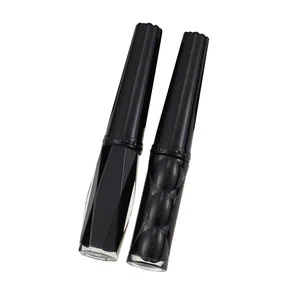
Analyzing formulations, factory capabilities, quality metrics, and regulatory frameworks for private label cosmetic growth.
Executive Summary: The global demand for highly pigmented, smudge-proof, and clean-beauty compliant gel eyeliners has driven major shifts in bulk cosmetic manufacturing. Today's brands must balance intensive rheological engineering with cost efficiency. This report uncovers the critical parameters when choosing a manufacturing partner, highlighting advanced production mechanisms, chemical roadmap changes, and structural supply chain standards.
The global cosmetics market has witnessed a robust surge in demand for high-performance eye cosmetics. Buyers from North America, the European Union, and the Asia-Pacific region are prioritizing long-wear attributes, transfer resistance, and ophthalmic safety. Traditional liquid liners are frequently eclipsed by gel formulations due to the latter’s ability to deliver a rich matte or metallic finish with unparalleled slip during application.
From a procurement perspective, global supply chain directors must evaluate factories not just on unit pricing, but on their technological agility and material traceability. Key sourcing hubs in South Korea, Germany, and China dominate the landscape. In particular, Chinese manufacturers situated in industrial clusters like Baiyun District, Guangzhou, offer advanced technological infrastructures and massive cost advantages through complete supply-chain integration—from pigment synthesis to automated packaging.
The engineering of a premium gel eyeliner is a fine balance between volatile carriers, polymers, and pigments. An optimized formulation relies on a stable volatile silicone or hydrocarbon matrix (typically Isododecane or Cyclopentasiloxane) combined with high-grade film-formers such as Trimethylsiloxysilicate (TMS) or silicone resins. These film-formers establish a microscopic, hydrophobic barrier upon the skin, ensuring the formula resists sweat, sebum, and environmental moisture.
Rheological control is achieved via organically modified clays (e.g., Disteardimonium Hectorite) which provide thixotropic flow characteristics. Under shear stress (during application with a brush), the gel becomes fluid and easy to spread; once the stress is removed, it immediately recovers its high viscosity, preventing smudging or running. Additionally, high-intensity color delivery requires micronized pigments (such as cosmetic-grade Carbon Black or Iron Oxides) that must undergo wet-milling and surface coating treatments to prevent agglomeration.
Advanced formulas are balanced for delicate ocular regions, passing stringent irritation tests and microbiological screening.
Formulated to remain completely solid in the pot, melting only under brush friction to yield precise lines.
Leveraging high-end silicone resins to repel sebum and sweat, extending wear times to over 24 hours.
When selecting a manufacturing partner, color cosmetics procurement managers must conduct rigorous audits. A top-tier factory must be assessed based on the following key operational parameters:
| Audit Domain | Minimum Acceptable Criteria | Top-Tier Capability Benchmark | Impact on Brand Reliability |
|---|---|---|---|
| Regulatory Compliance | ISO 22716 & standard GMPC registration | FDA registered, EU Cosmetic Regulation (EC) 1223/2009 compliance | Ensures hassle-free customs clearance and brand safety in global markets. |
| R&D Team Depth | Basic formula reproduction | Custom formulation, shade matching within <2 Delta-E variance | Maintains fast product launch timelines and aligns with color trends. |
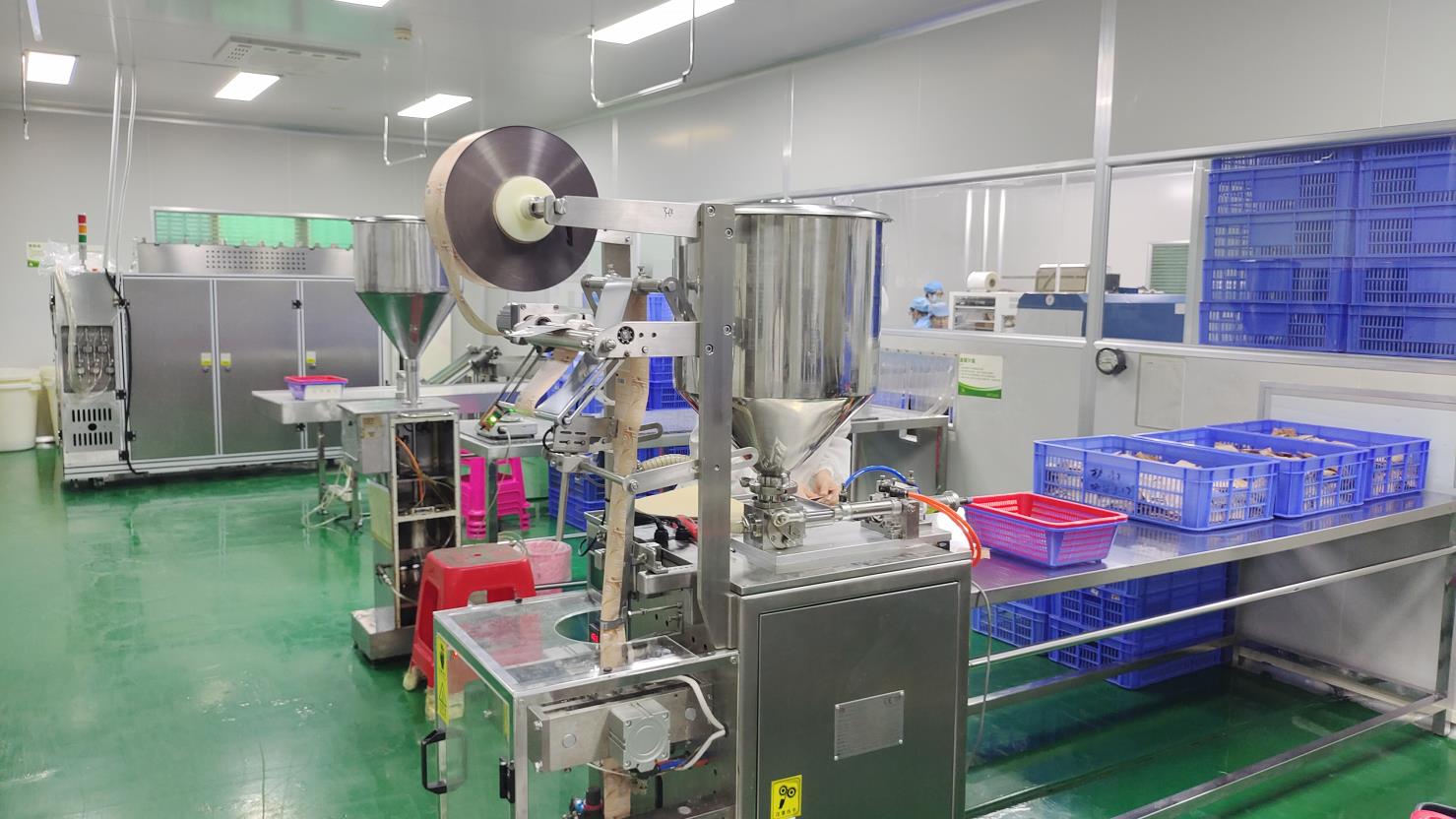
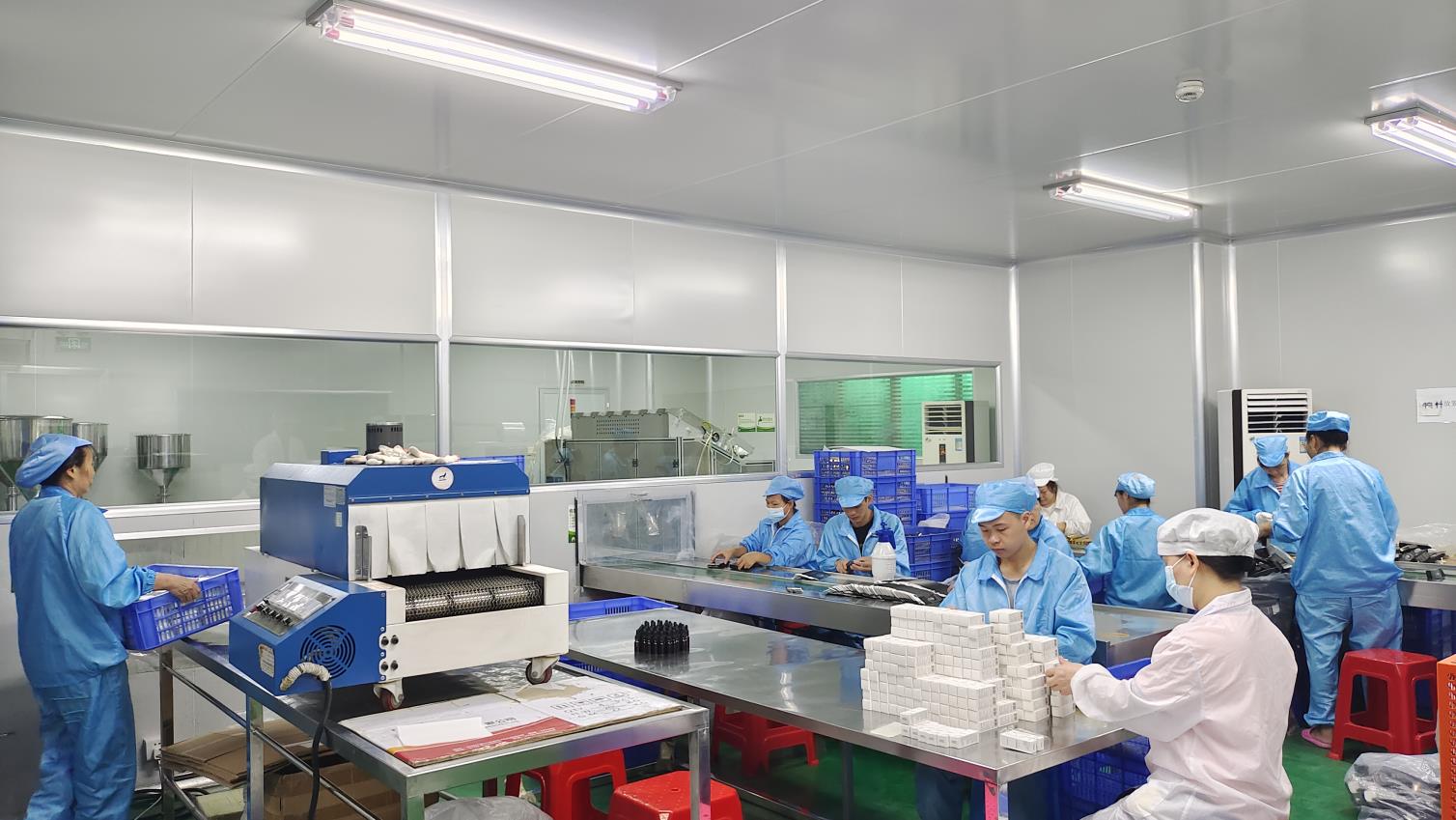
| Cleanroom Standards | Class 100,000 cleanroom (ISO 8) | Class 10,000 cleanroom (ISO 7) for ocular filler areas | Mitigates the risk of microbial contamination in products used near eyes. |
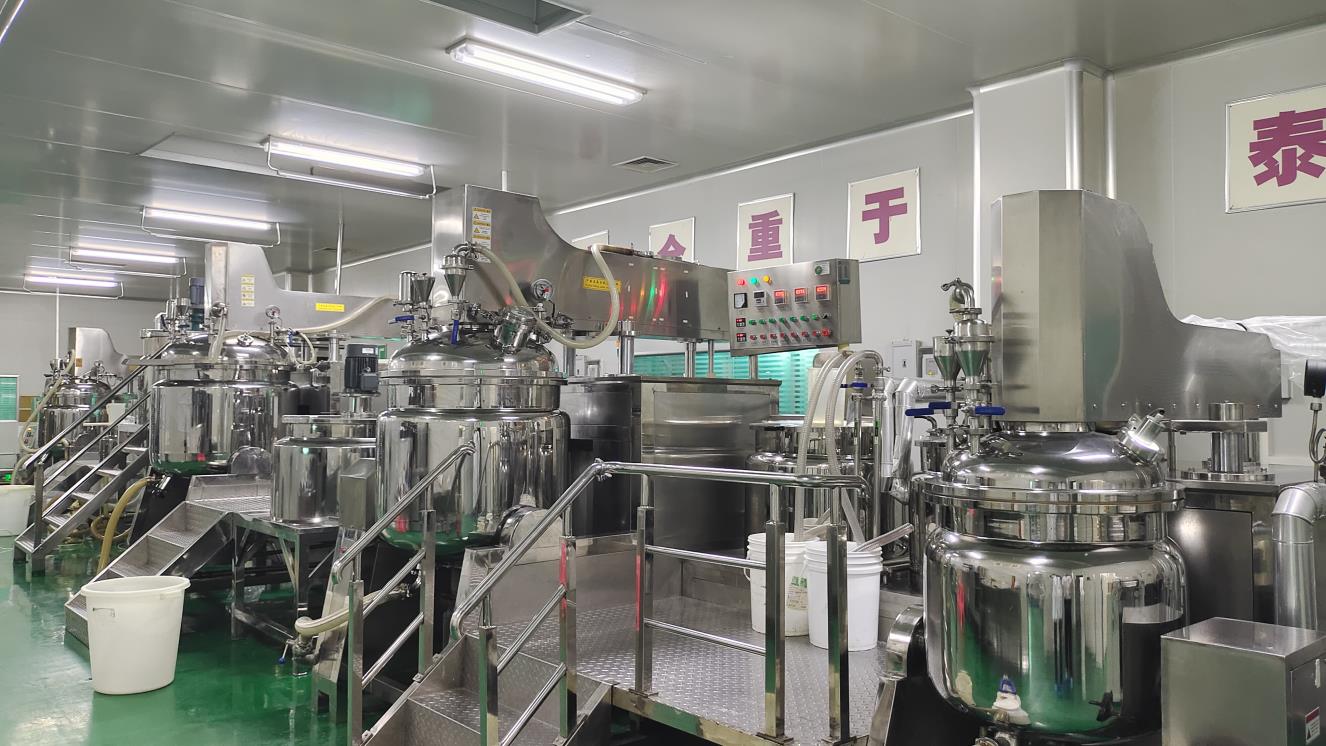
| Automation Integration | Manual batching & semi-auto filling | Full-scale automated emulsification and robotic container filling | Assures consistency in viscosity, weight, and sealing tightness across runs. |
As a prominent player in the global private label makeup landscape, Guangzhou Fmo Beauty Co., Ltd. serves as a reliable OEM & ODM cosmetics manufacturer. Based in Baiyun District, Guangzhou, China—merely 10 minutes from Guangzhou Baiyun International Airport—Fmo Beauty operates with nearly 20 years of experience in color cosmetics production.
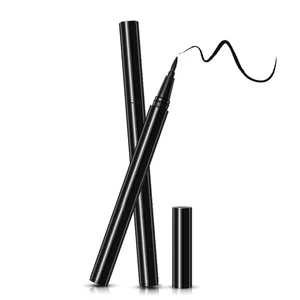
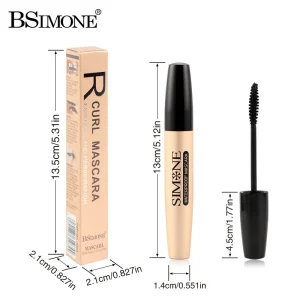
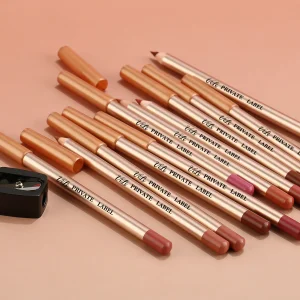
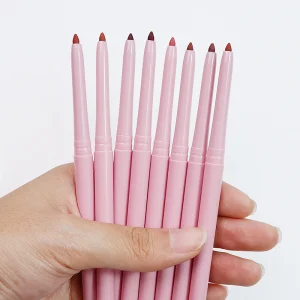
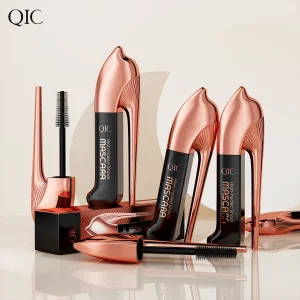
Fmo Beauty is equipped with advanced cleanroom laboratories, sophisticated R&D departments, and modern high-capacity machinery designed to cater to international beauty brands. Their diverse catalog ranges from high-pigment liquid matte formulations, waterproof pencils, and gel eyeliners to cushion foundations, mascaras, and long-lasting lip glosses. Exporting to over 40 countries, the factory specializes in custom formulations, GMPC/ISO compliant processes, and quick-turnaround production timelines.
Access Fmo Beauty's technical portfolio, batch testing logs, and catalog pricing sheets instantly.
Request Direct Quote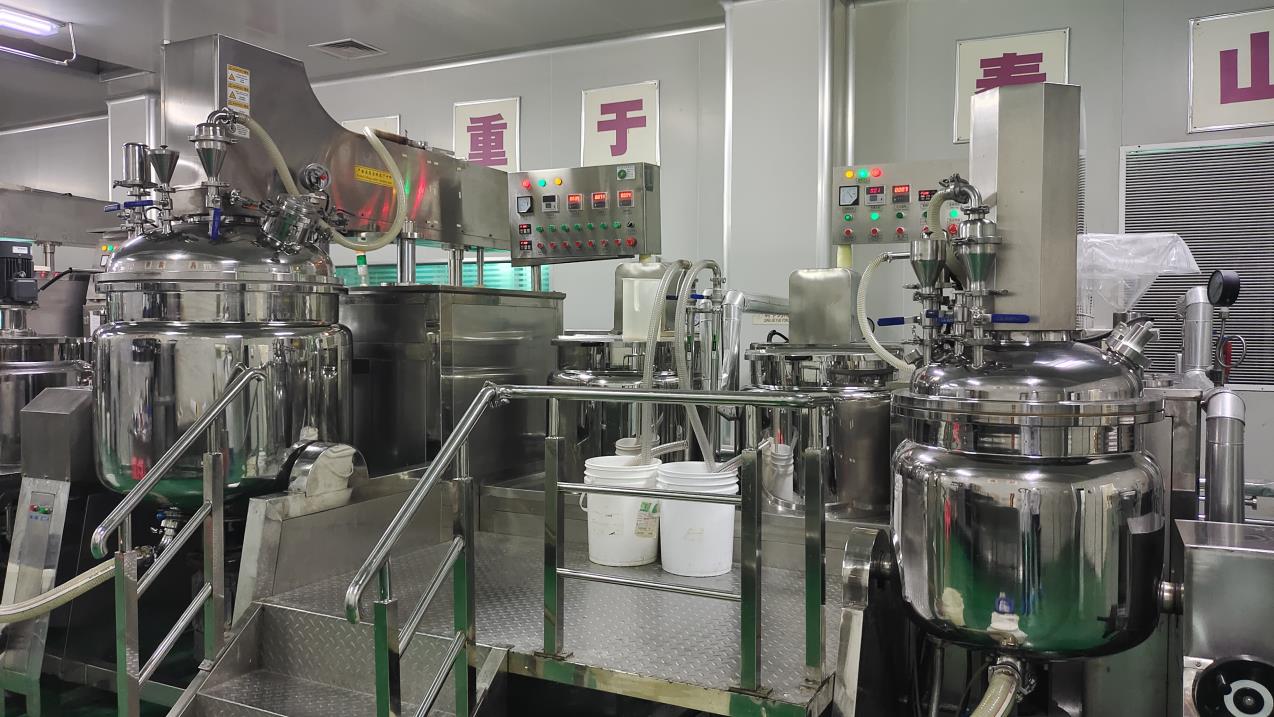
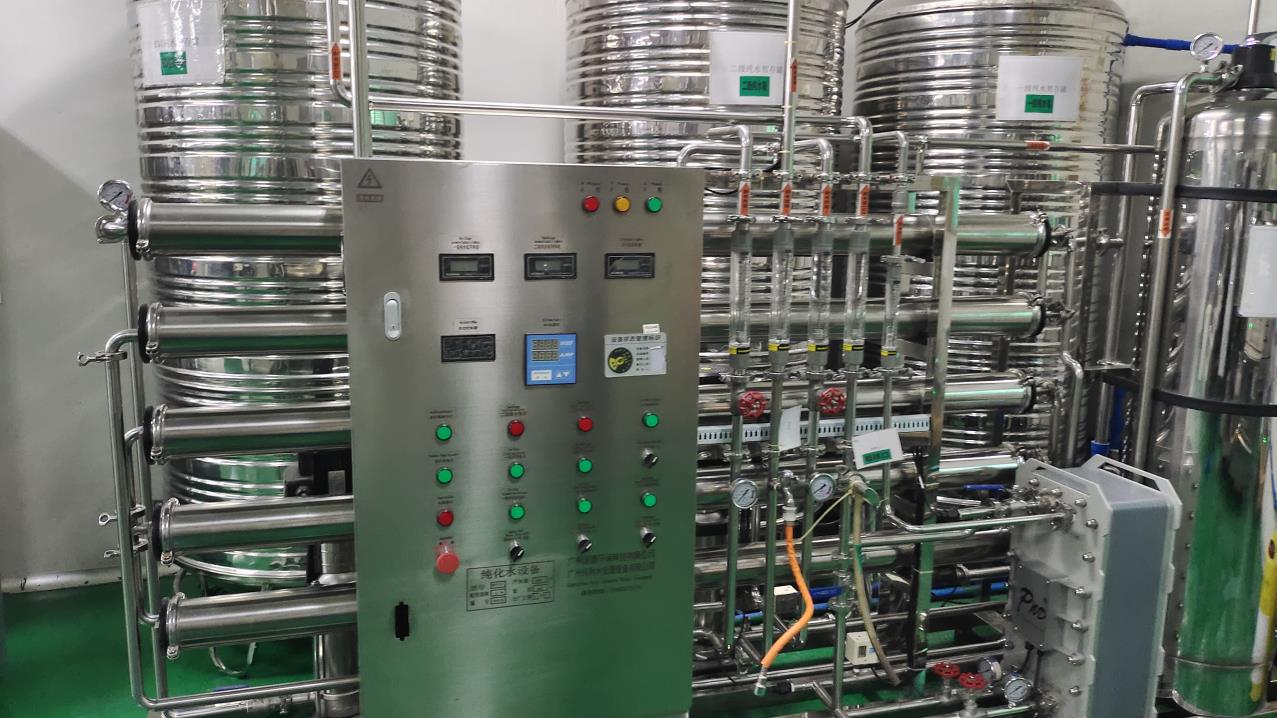
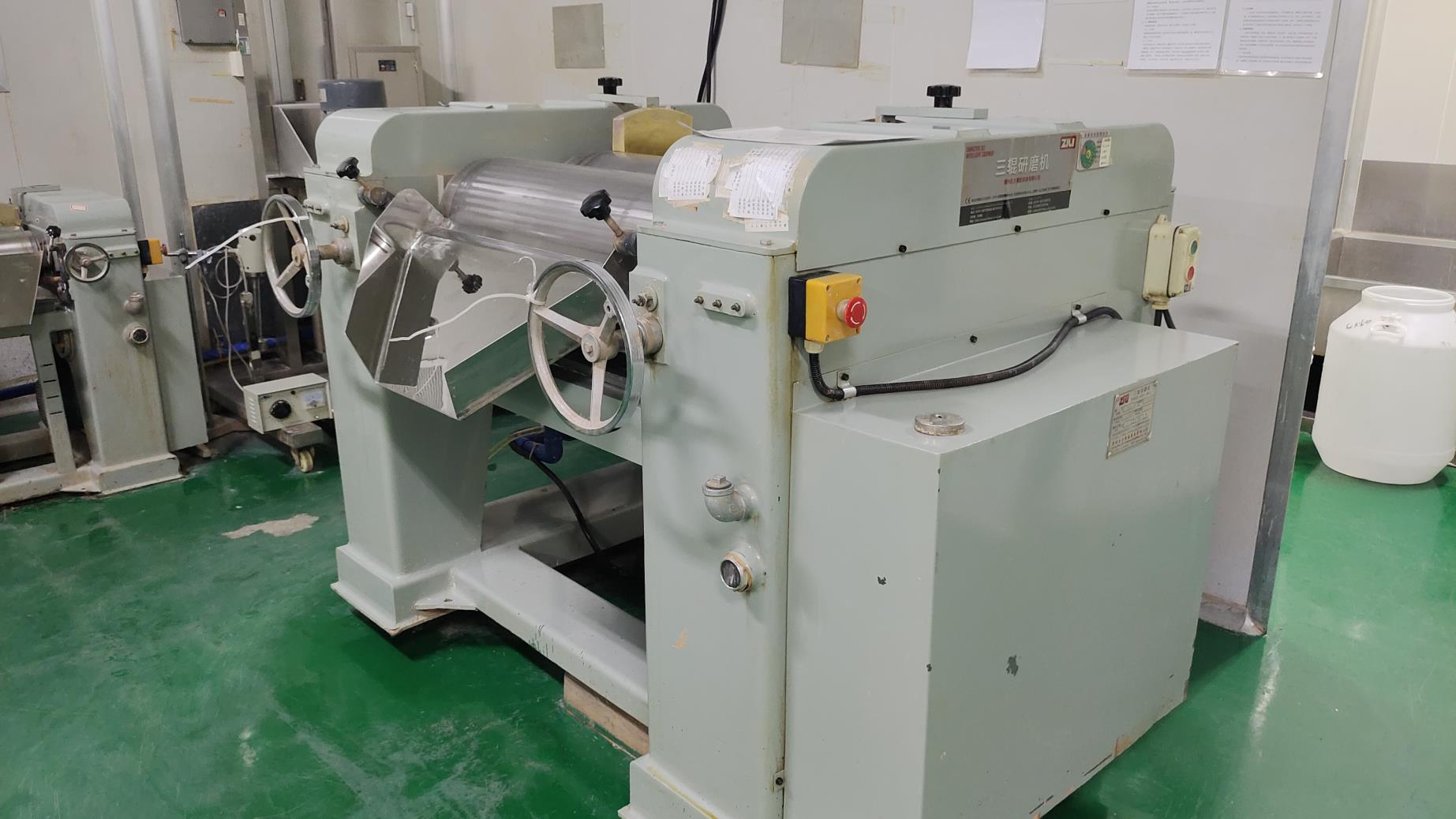
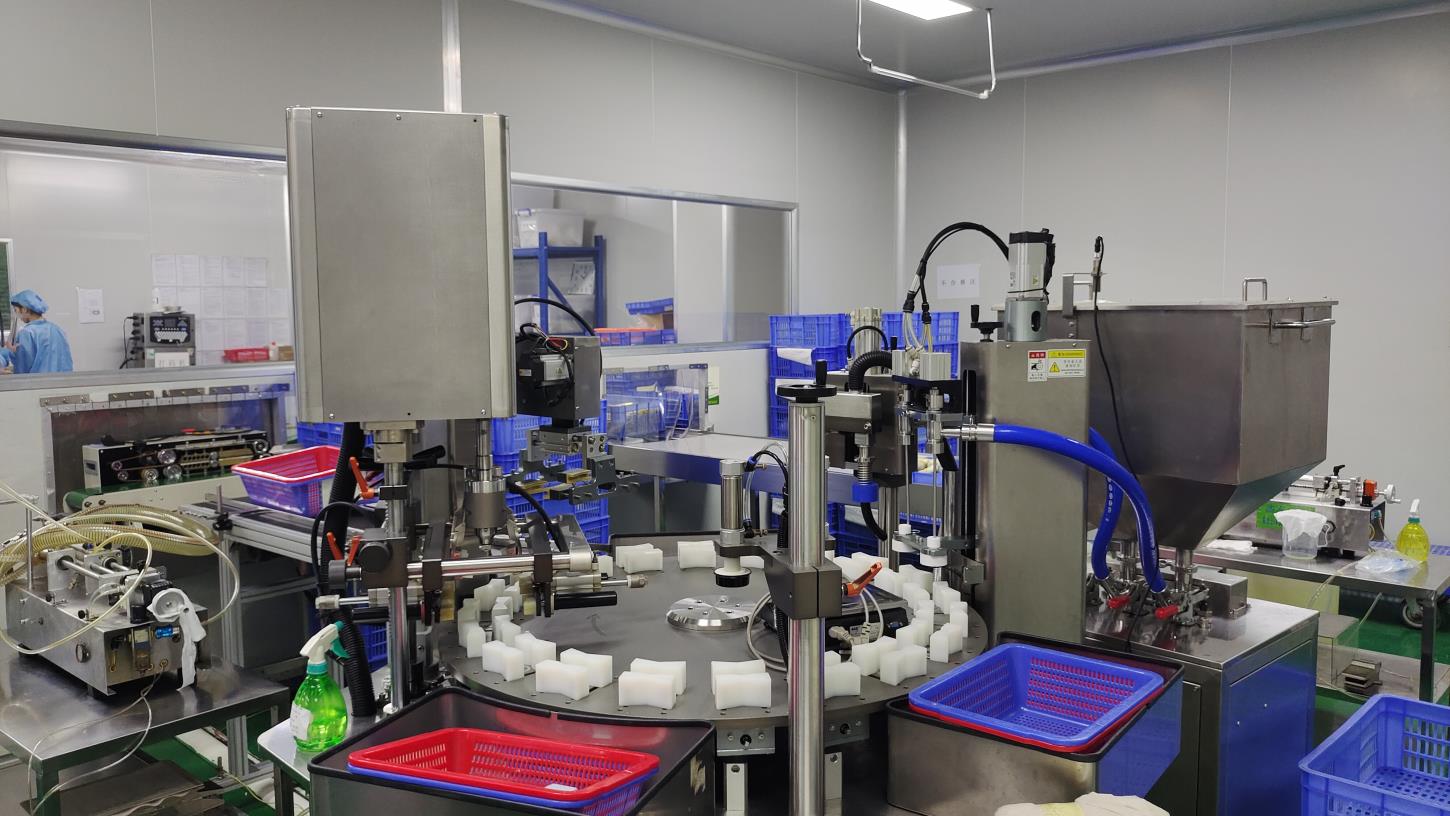
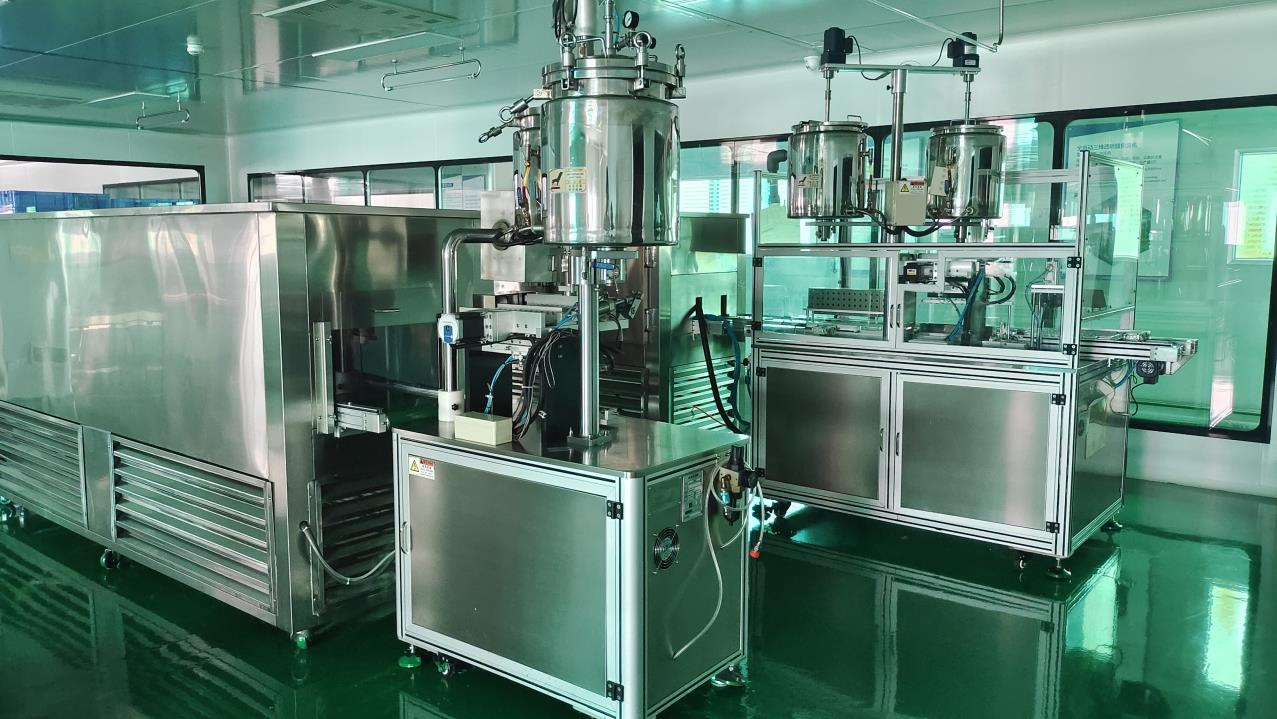
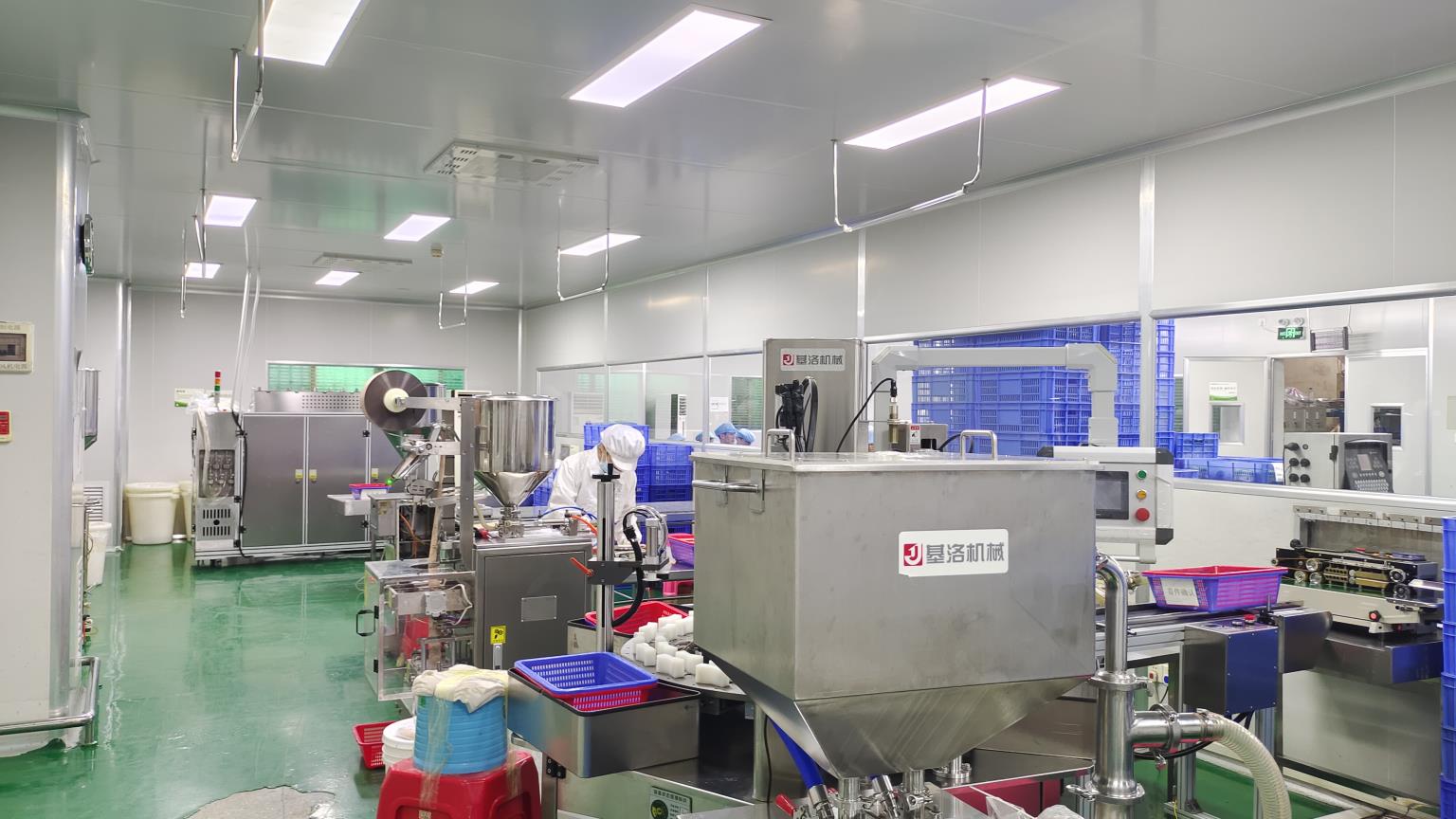
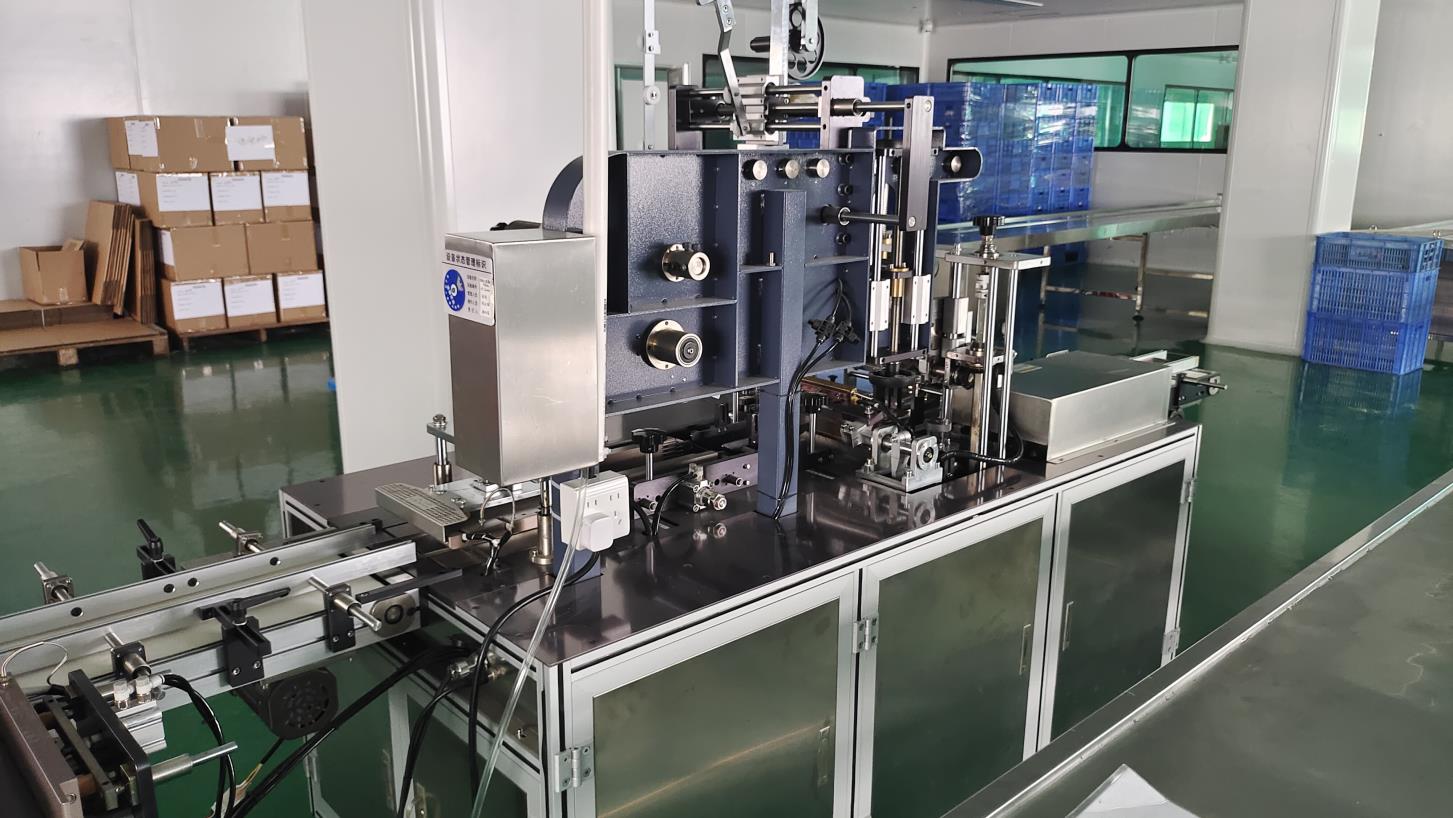
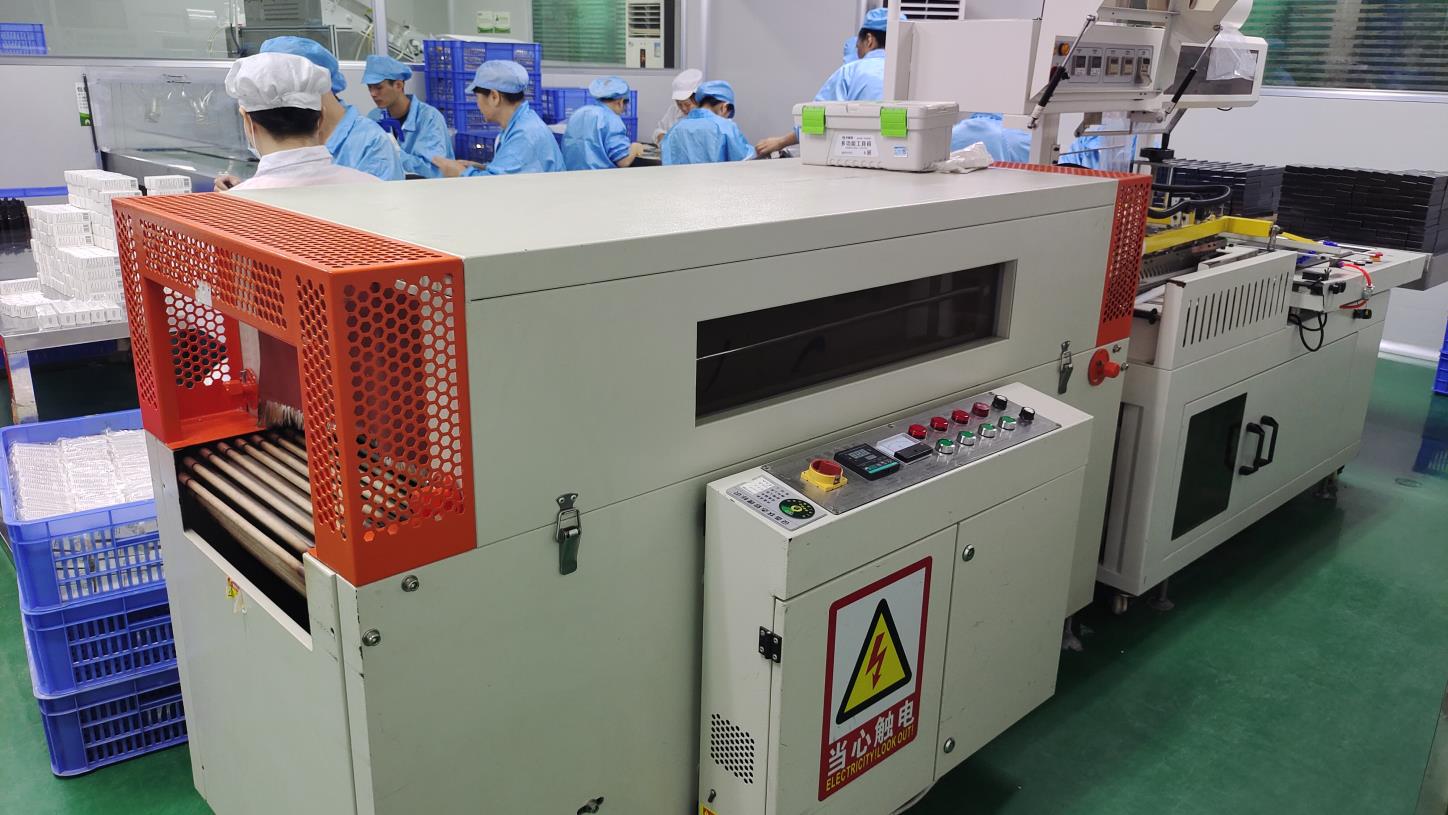
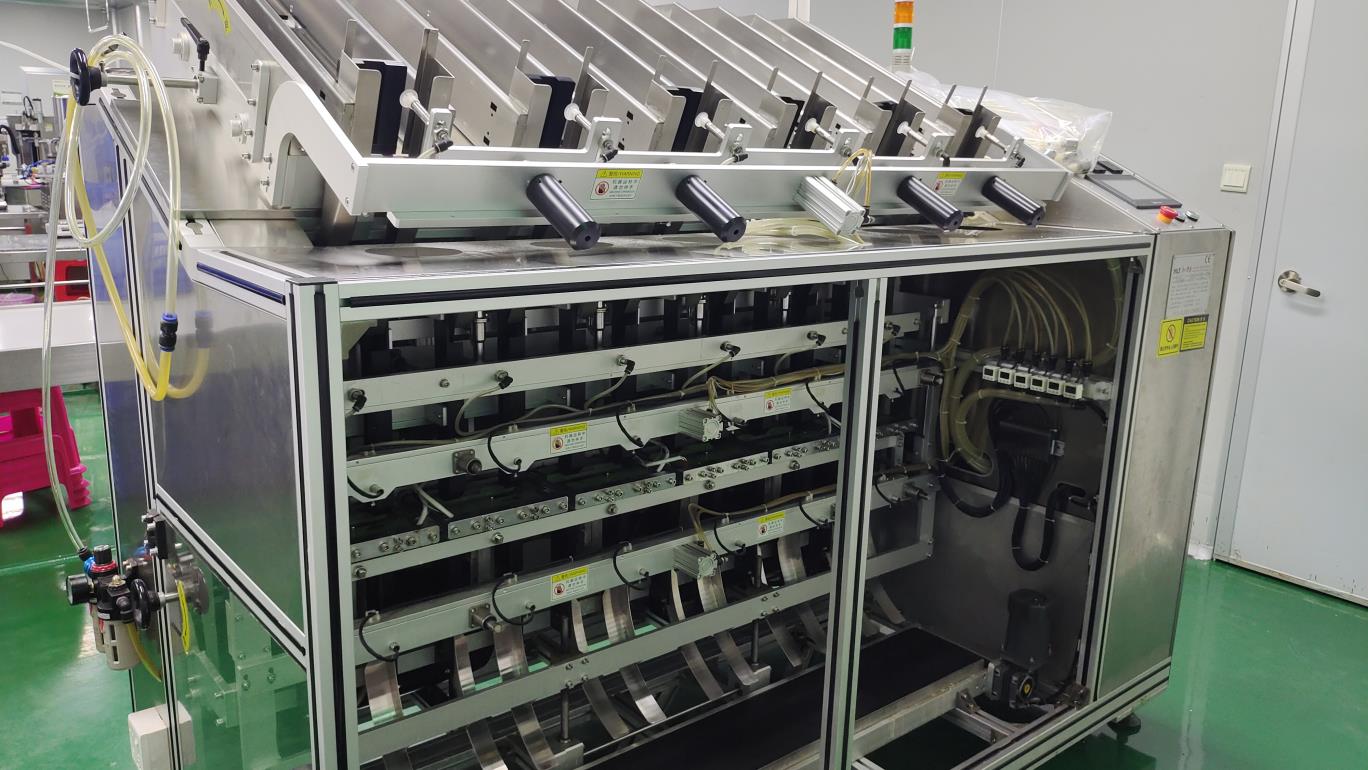
Entering key international cosmetic markets demands full alignment with local regulatory environments. In the United States, the Food and Drug Administration (FDA) enforces strict registration protocols under the Modernization of Cosmetics Regulation Act (MoCRA). Brands must ensure their manufacturers undergo regular facility registrations, safety substantiations, and maintain precise ingredient records.
Similarly, in the EU, every gel eyeliner formulation must be uploaded to the Cosmetic Product Notification Portal (CPNP) and requires a detailed Product Information File (PIF) curated by a designated Responsible Person. Sourcing partners must guarantee that raw materials—such as mineral pigments and synthetic wax derivatives—are completely free of heavy metal impurities (Lead, Arsenic, Mercury, Cadmium) and comply with global clean beauty restrictions, omitting parabens, formaldehydes, and phthalates.
The cosmetics industry is moving towards greater environmental accountability and technology integration. R&D laboratories are replacing petroleum-derived polymers with bio-based alternatives (such as modified starch resins and plant-derived silicones) to meet the demand for biodegradable formulations that match the performative lifespan of synthetic counterparts.
Additionally, artificial intelligence is now being deployed in advanced factories to speed up the pigment matching phase. Using automated spectrophotometers and machine learning algorithms, color matchers can calculate formulation ratios within seconds, reducing typical laboratory turnaround times. Sustainable packaging solutions, such as PCR (Post-Consumer Recycled) glass jars and ocean-bound plastic components, are also becoming standard features in high-performance cosmetic lines.