Fmo Beauty
Fmo Beauty
Fmo Beauty
Explore our elite range of customized formulations, setting sprays, liners, and cosmetics designed for global market success.
The global skincare industry is undergoing a structural transition towards highly functional and clean-label formulations. Among all sub-categories, the eye care formulation segment boasts the highest margin profile and the most rigorous R&D entry barriers. The delicate periocular skin (typically measuring only 0.5mm in thickness, compared to 1.5mm to 2.0mm on other areas of the face) requires highly specialized micro-emulsion technologies, balanced pH levels, and precise delivery systems to target concerns like dark circles, puffiness, fine lines, and moisture loss without causing irritation.
For cosmetic brands, dermatological clinics, and global beauty conglomerates, partnering with the right eye cream manufacturer is not merely an operational decision but a strategic imperative. The modern B2B sourcing journey has evolved from simple cost-comparison to a holistic evaluation of a factory's R&D sophistication, compliance standards (GMPC/ISO 22716), and capability for semantic-based innovation—translating search trends such as "caffeine eye cream", "retinol microcapsules", and "peptide skin barrier repair" into commercially viable, stable formulations.
Information Gain Insight: The rise of "skintelligence" has led consumers to scrutinize ingredient lists. B2B buyers must partner with manufacturers that can guarantee active-ingredient stability through advanced vacuum emulsification and airtight, light-blocking packaging systems to prevent degradation of highly sensitive actives like Retinoids and Vitamin C.
Successful suppliers offer tailor-made chemical formulations adjusting viscosity, absorption rates, and sensory profiles based on localized target consumer preferences (e.g., lightweight gel-creams for high-humidity climates versus lipid-rich balms for dry regions).
The ocular area is highly sensitive. Sourcing partners must employ strict microbiological testing, heavy metal limits, and ocular compatibility trials (such as HET-CAM or in-vitro tests) to verify the formulation is non-irritating.
Leading factories collaborate with third-party testing laboratories to perform clinical studies, instrument evaluations (e.g., Cutometer for skin elasticity, Visia for wrinkle reduction), providing scientific validation that boosts brand trustworthiness.
China is home to the most mature cosmetic supply chain in the world, with Guangzhou acting as the absolute epicenter. Over 70% of China's cosmetics are manufactured in the Guangdong province, driven by the massive cluster in Guangzhou's Baiyun District. This concentrated ecosystem offers unprecedented advantages in speed-to-market, raw material sourcing, packaging design, and production agility.
As a leading cosmetic manufacturer located in Guangzhou, Guangzhou Fmo Beauty Co., Ltd. exemplifies these supply chain benefits. Located just 10 minutes from the Guangzhou Baiyun International Airport, Fmo Beauty leverages this prime location to streamline physical factory inspections for global clients, facilitate rapid sample dispatch, and expedite air cargo logistics. Backed by nearly 20 years of technical expertise, the company bridges the gap between state-of-the-art laboratory research and commercial scale-up.
From a supply chain perspective, the advantages of partnering with an established supplier like Fmo Beauty include:
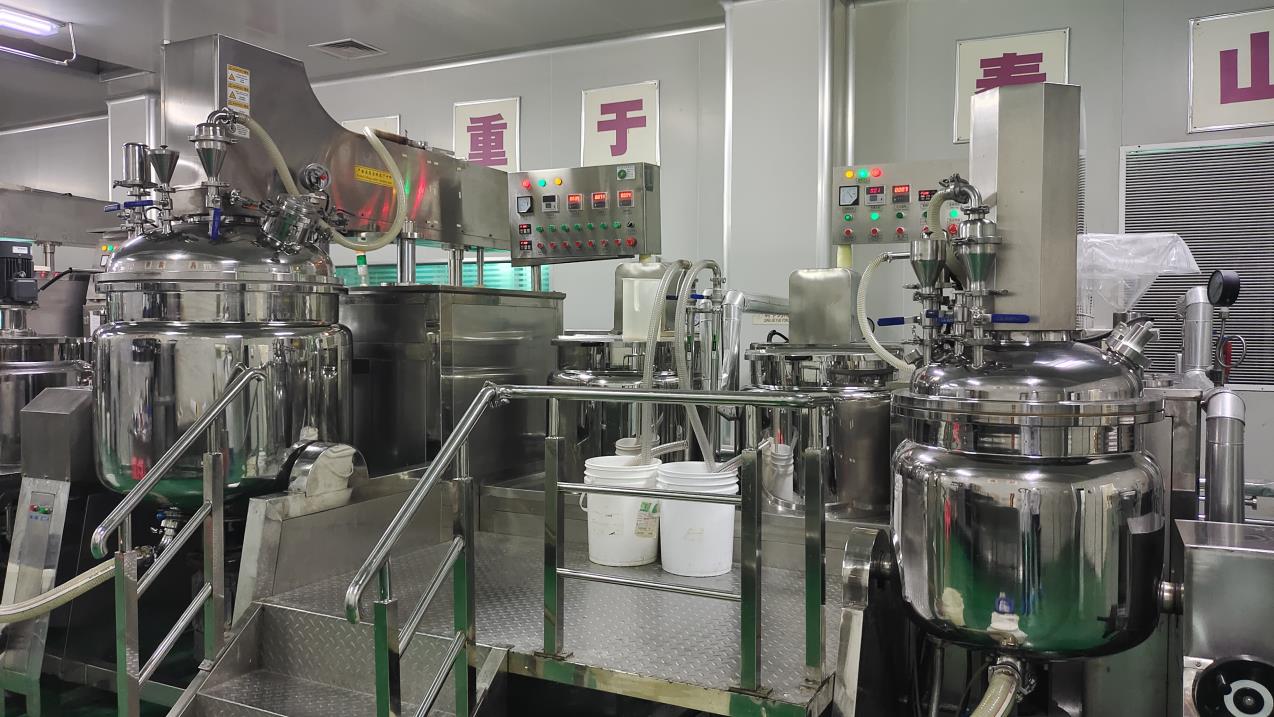
Take a technical tour inside Guangzhou Fmo Beauty Co., Ltd.'s state-of-the-art facility, operating under strict international GMP standards.
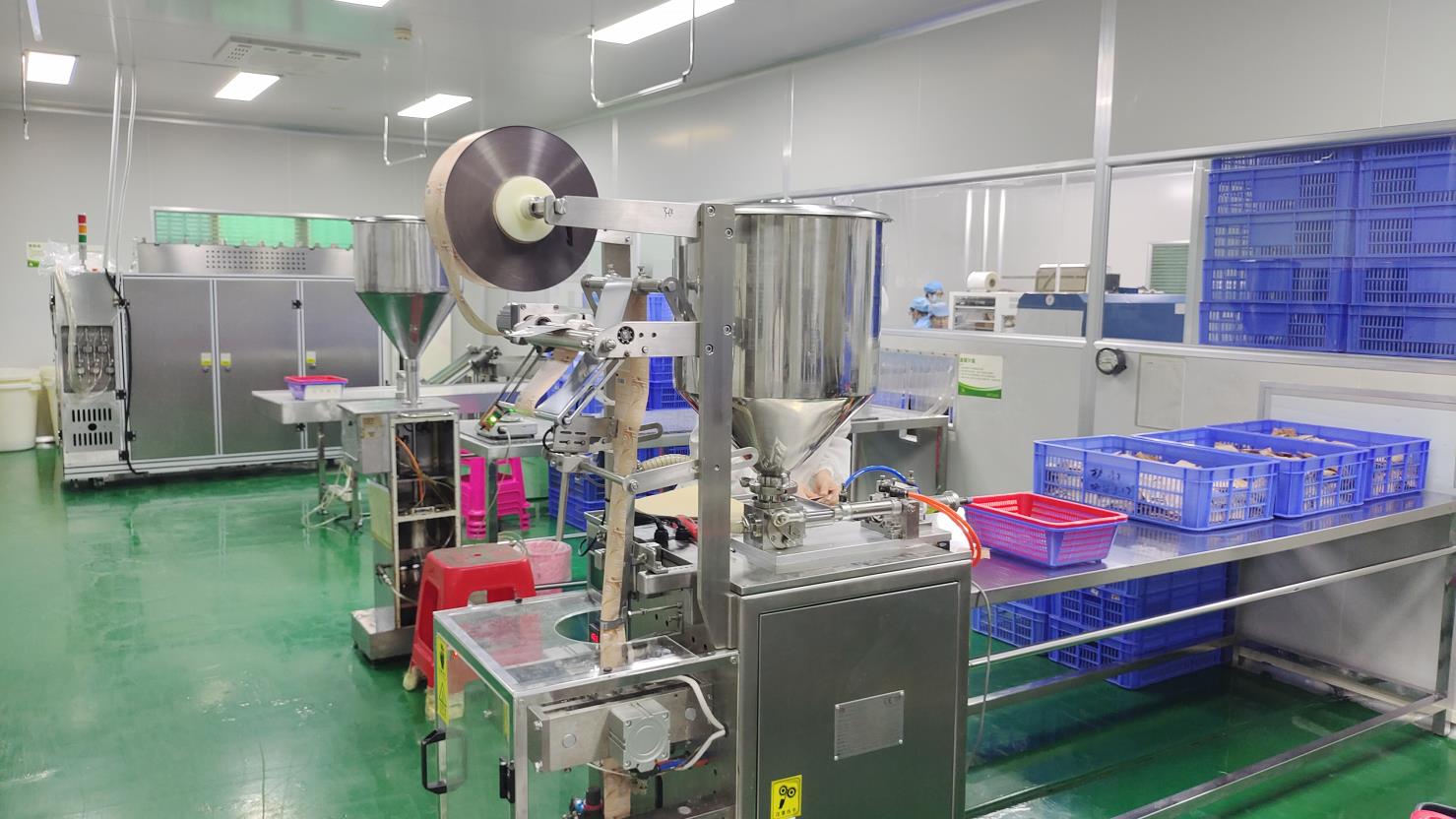
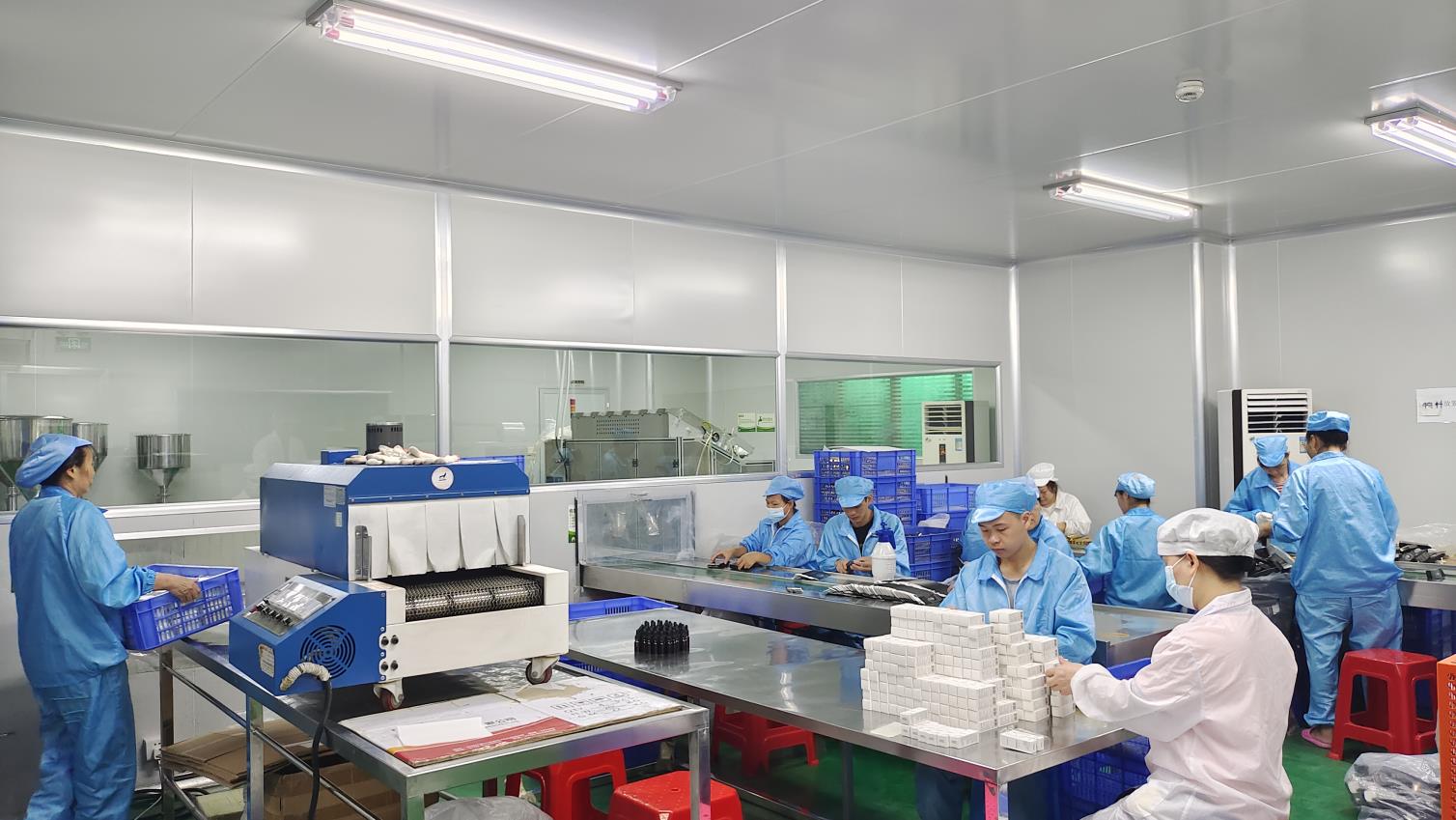
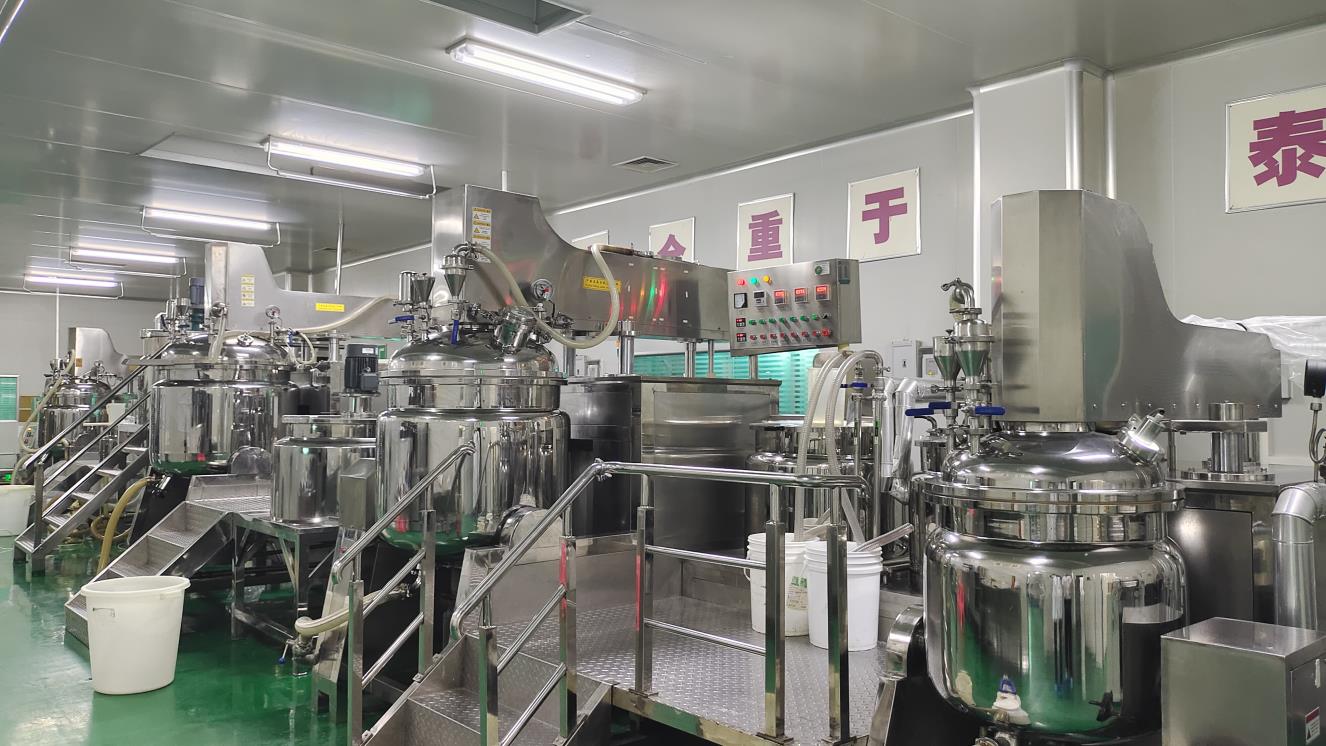
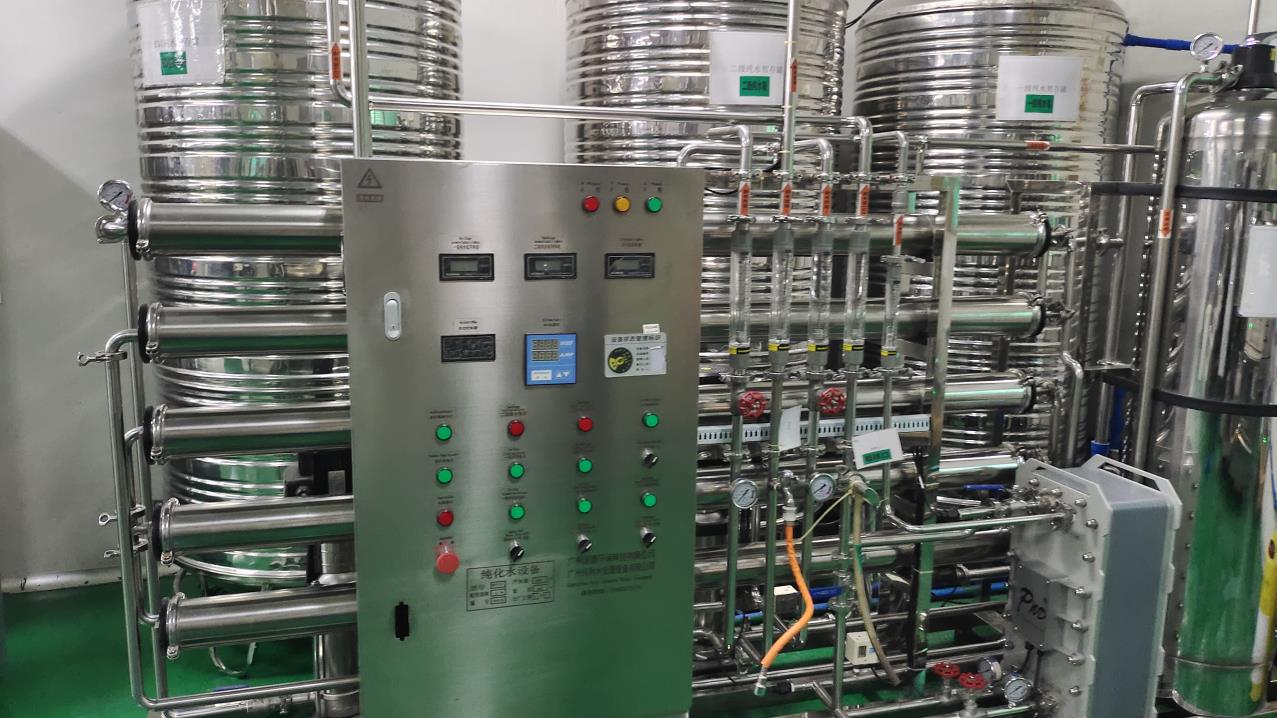
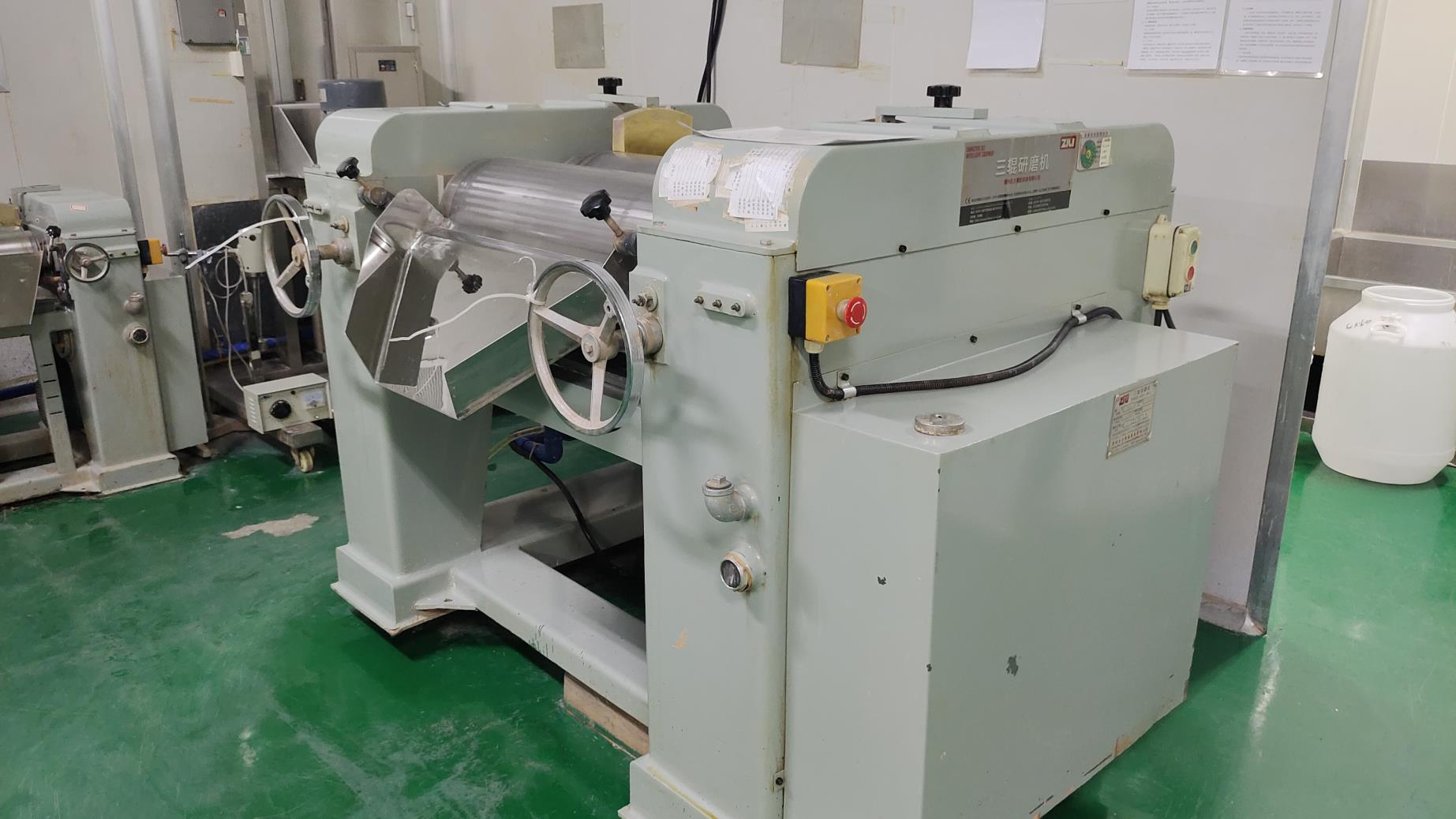
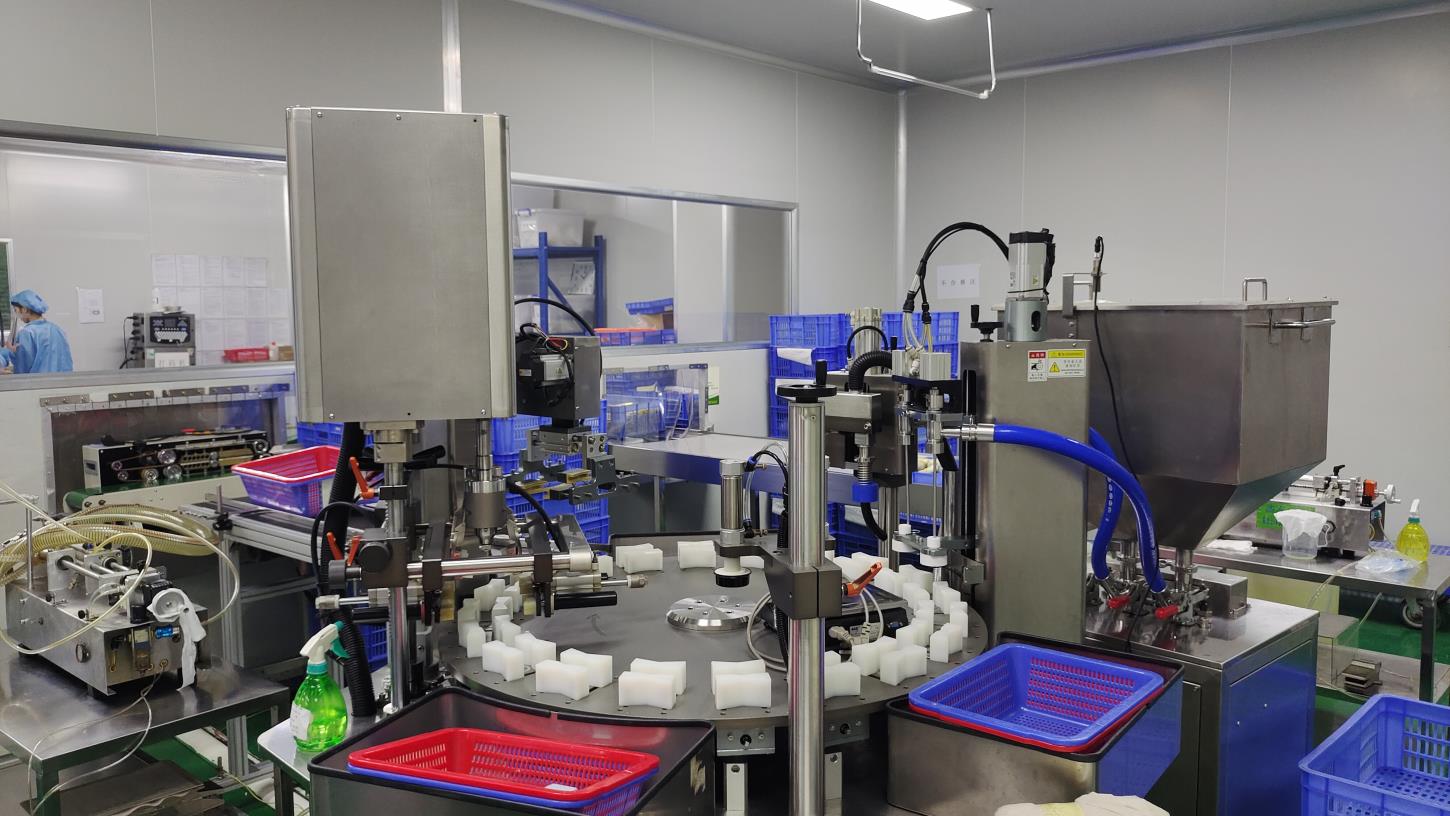
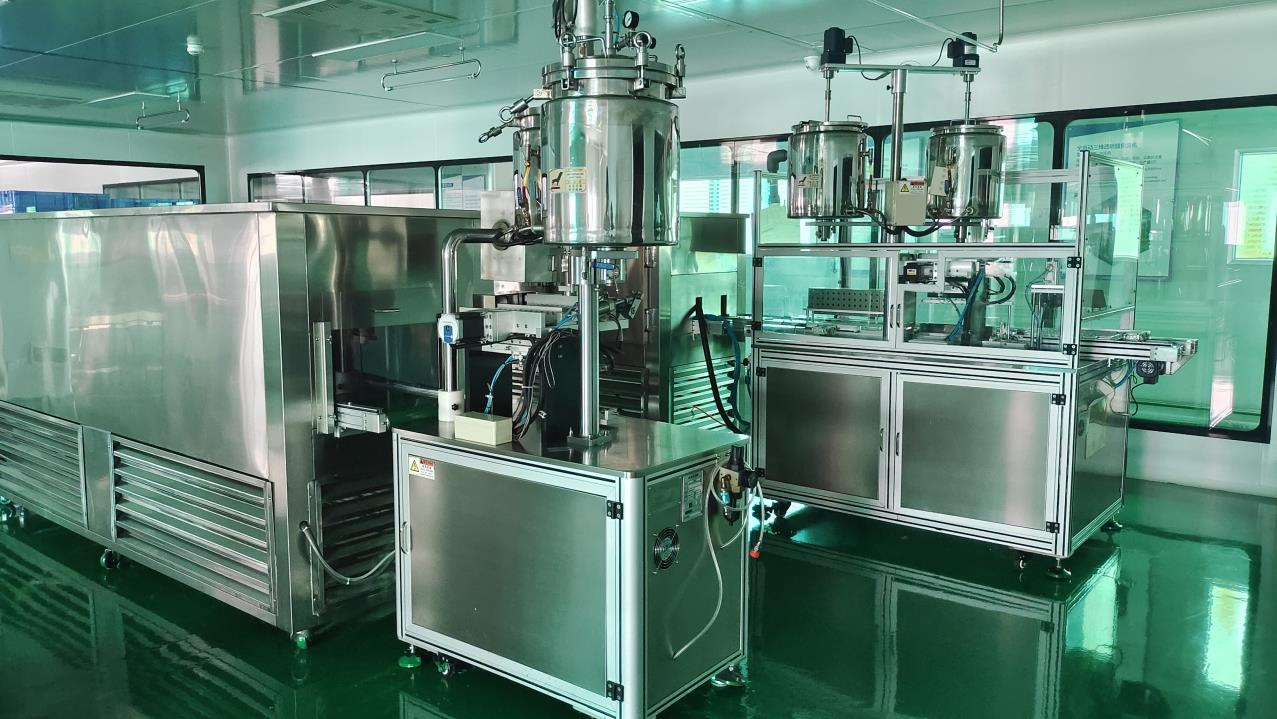
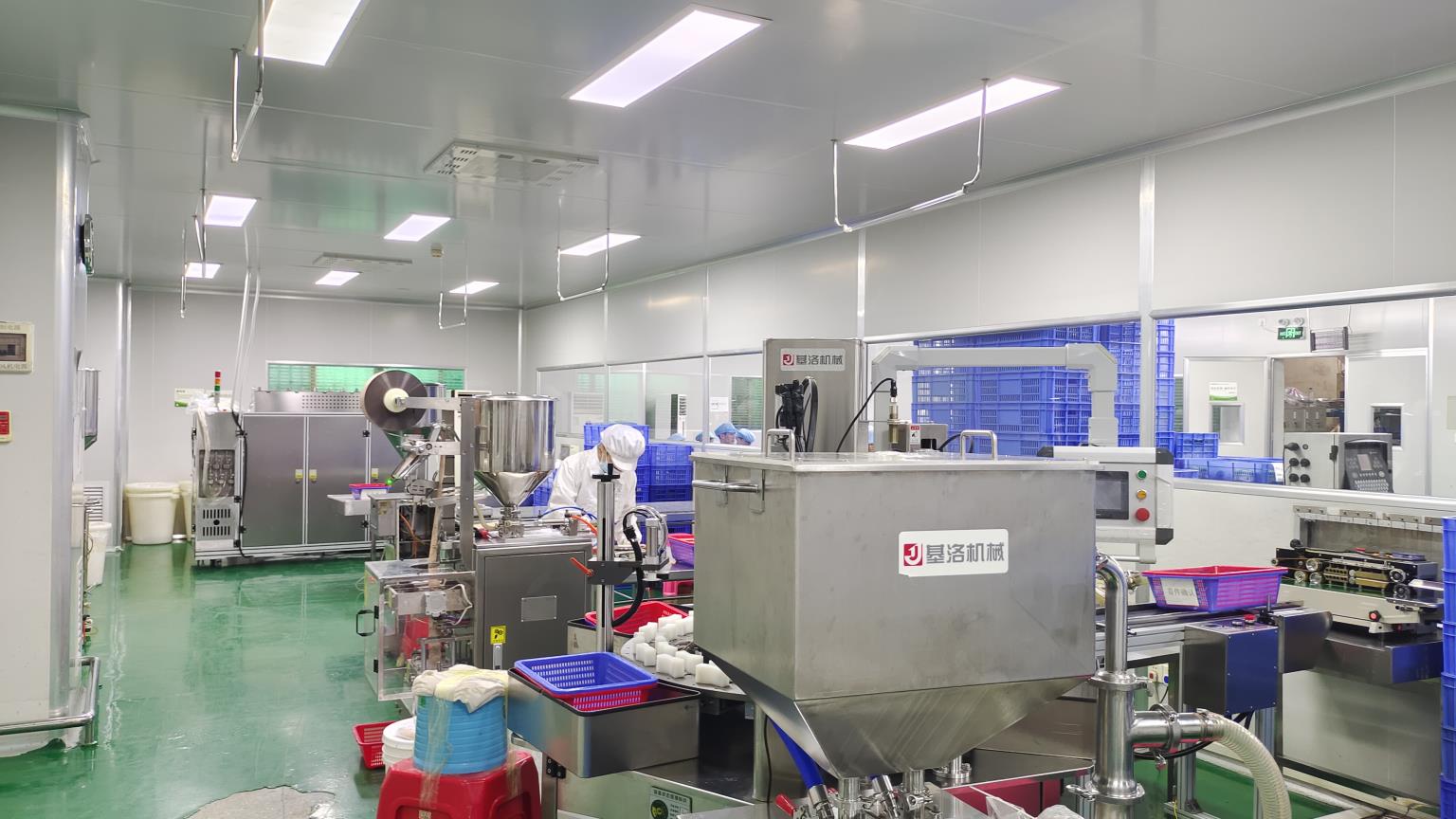
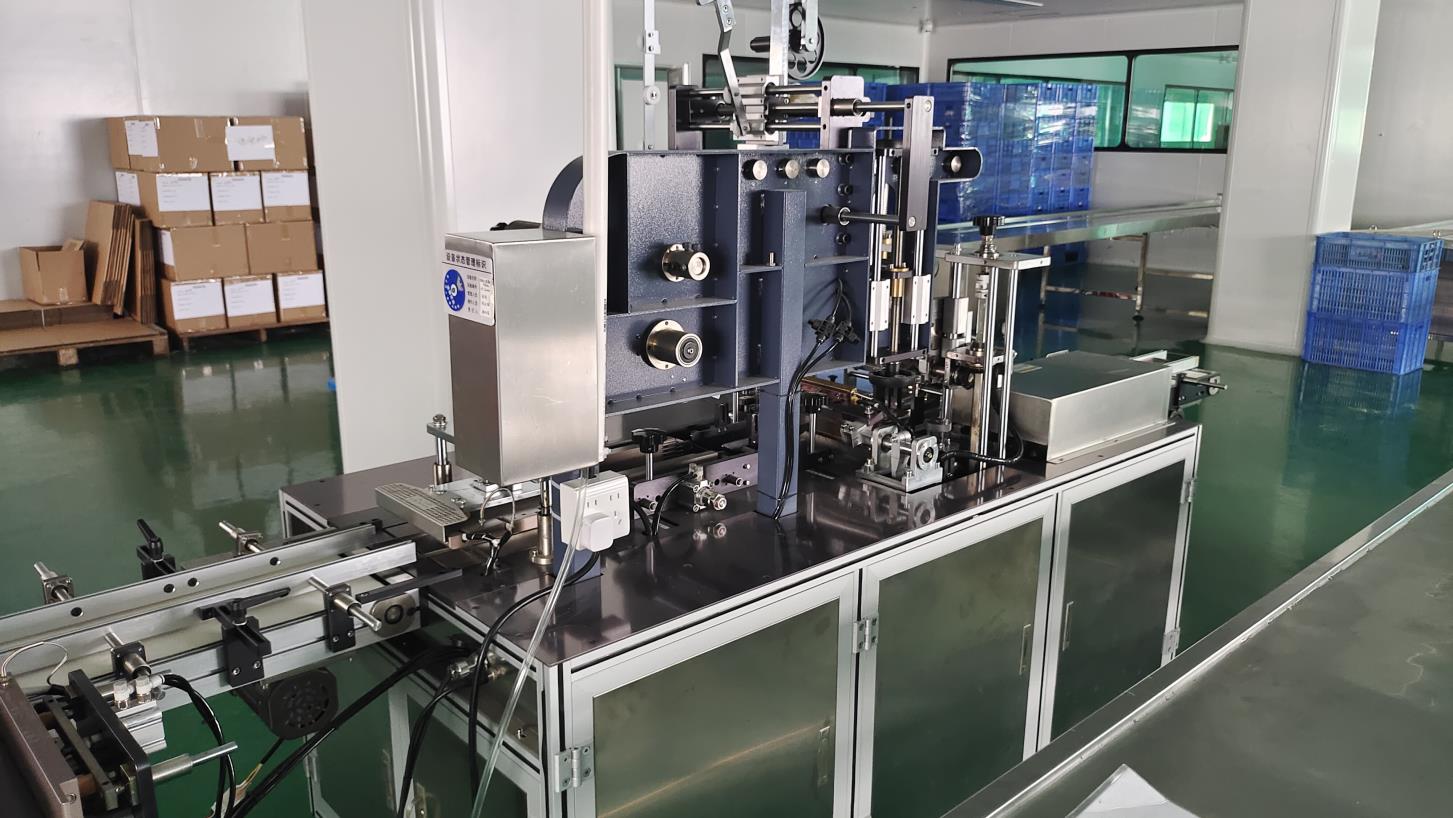
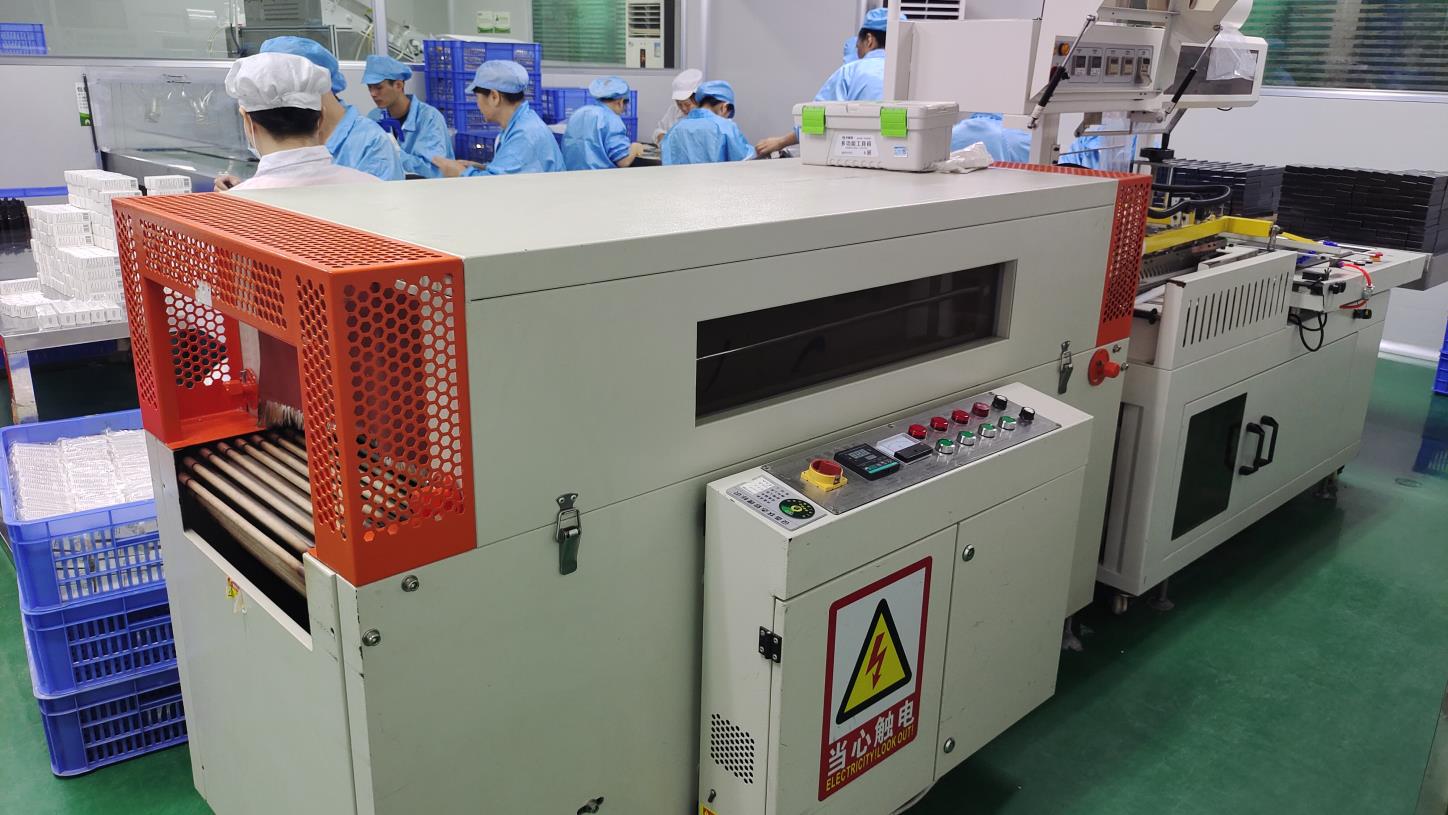
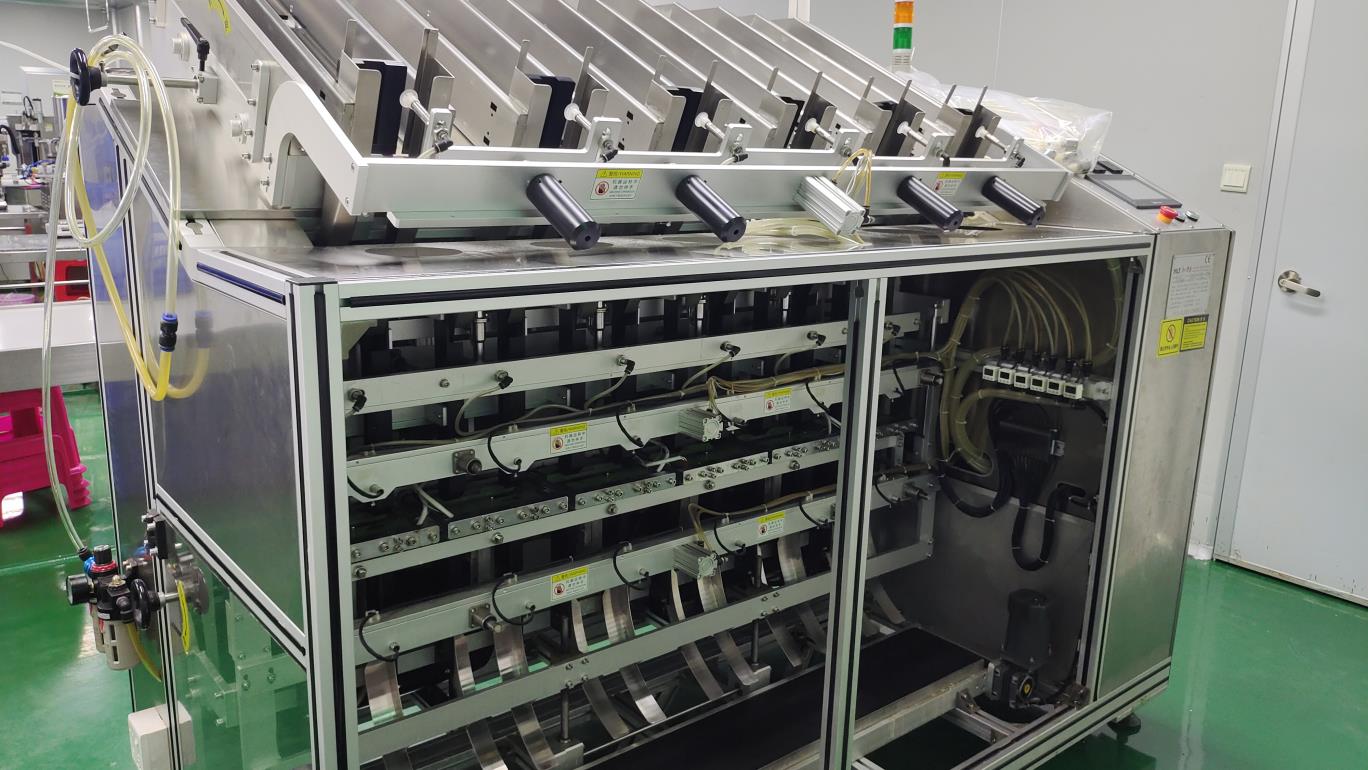
Utilizing multi-stage reverse osmosis (RO) systems coupled with electro-deionization (EDI). This removes 99.9% of mineral ions and microbiological flora, ensuring a completely sterile base for the cosmetic formulations. High-grade pure water prevents chemical interference with active eye-contour agents, securing raw-material stability over the product's shelf-life.
Our dual-shaft vacuum homogenizers operate at high shear rates (up to 3,600 RPM) to break down lipids and water-based active ingredients into nanometer-sized droplets. This step ensures an ultra-stable emulsion structure that prevents phase separation and enhances transdermal absorption through the skin barrier.
Conducted in Class 100,000 cleanroom environments. Automated nozzles dispense liquid, cream, or gel formulations into jars, tubes, or airless bottles. Real-time weight sensors guarantee dosage accuracy to ±0.1g, preventing product waste and ensuring compliance with international packaging weights and measures standards.
Ensuring tamper-evident delivery to final markets. Automated cartoning and heat-shrinking preserve outer packaging integrity during multi-modal international transit, ensuring that when the products reach global warehouses, they maintain a pristine, premium appearance.
Exporting cosmetic products from China to diverse international jurisdictions requires thorough knowledge of regulatory compliance. A single formulation mismatch or labeling error can result in port-of-entry delays or costly product recalls. A reliable manufacturer must guide B2B clients through localized regulations and registration processes.
| Market Region | Primary Regulatory Authority | Core Compliance Requirements | Sourcing Action Plan |
|---|---|---|---|
| United States | FDA (MoCRA Regulations) | Product listing, facility registration, allergen labeling, and safety substantiation. | Formulations must use FDA-approved cosmetic ingredients and follow updated MoCRA safety documentation guidelines. |
| European Union | European Commission (CPNP) | Cosmetic Product Safety Report (CPSR), Responsible Person (RP) appointment, and nanomaterial notifications. | Perform toxicological assessments, compile the Product Information File (PIF), and register on the CPNP portal. |
| Middle East (GCC) | GSO / Saudi Food & Drug Authority (SFDA) | Halal ingredient compatibility, heavy metal limits, and Arabic label localization. | Configure raw materials to exclude restricted substances and translate product cartons to comply with GCC requirements. |
| Southeast Asia | ASEAN Cosmetic Directive (ACD) | Notification to local health authorities, labeling with specific batch details, and ingredient compliance. | Leverage regional harmonized standards to speed up country-specific notifications. |
Consumer preferences for eye care vary significantly by region. A one-size-fits-all formulation is rarely successful. B2B buyers must work with suppliers to adjust texture, color payoff, active ingredient percentages, and fragrance profiles based on target demographics:
The eye care landscape is experiencing rapid innovation driven by biotechnology and green chemistry. Traditional moisturizers are being replaced by bio-active, targeted treatment systems. Brands looking to establish market authority must align their product portfolios with these emerging trends:
Utilizing bio-mimetic peptides (such as acetyl hexapeptide-8, copper peptides, and palmitoyl pentapeptide-4) to safely inhibit micro-contractions of facial muscles, reducing dynamic crow's feet wrinkles without invasive clinical procedures.
Integrating prebiotics, probiotics, and postbiotics (like Bifida Ferment Lysate) to strengthen the delicate eye-area skin microbiome, helping to build resistance to daily environmental pollutants and oxidative stress.
With screen time increasing globally, eye creams formulated with antioxidants like lutein, astaxanthin, and cocoa seed extracts help neutralize blue light-induced free radicals that lead to premature aging around the eyes.
Additionally, modern B2B buyers must pay close attention to packaging innovations. Heavy jars are being replaced by high-tech packaging components, including:
Expert technical insights from Guangzhou Fmo Beauty's R&D team answering critical B2B sourcing and manufacturing questions.
For standard formulations utilizing existing stock packaging, the MOQ typically starts at 3,000 units. For fully customized formulas requiring specific high-efficacy active ingredients or custom-tooled custom packaging components (such as specialized glass bottles or customized metal tips), the MOQ ranges from 5,000 to 10,000 units, depending on the packaging manufacturer's minimum run requirements.
We employ double-jacketed vacuum emulsifiers to prevent oxidation during processing. We also work with stabilized raw materials, such as micro-encapsulated Retinol and oil-soluble Vitamin C derivatives (such as Tetrahexyldecyl Ascorbate). Finished formulations are packed in specialized multi-layer airless bottles or aluminum barrier tubes that shield the product from light and oxygen exposure.
Yes. Our regulatory affairs department compiles the required technical dossiers, including formulation statements, Material Safety Data Sheets (MSDS), Certificate of Analysis (COA), microbiological test reports, and GMPC/ISO certificates. We assist your regulatory representatives or designated Responsible Person (RP) to register the products smoothly in the US (FDA MoCRA) or EU (CPNP).
Every batch undergoes physical, chemical, and microbiological checks. These include pH stability tests, viscosity monitoring, centrifugal separation tests to confirm emulsification stability, heavy metal analysis (lead, arsenic, mercury, cadmium), and total plate counts to verify zero microbial contamination.
Yes. We formulate in line with clean beauty parameters, avoiding restricted substances like parabens, phthalates, mineral oils, synthetic colorants, and sulfates. We source certified plant-derived or bio-fermented alternatives to meet vegan standards, and we do not conduct animal testing at any stage of our development or manufacturing process.
Partner with Guangzhou Fmo Beauty to access a comprehensive portfolio of high-performing color cosmetics and custom industrial solutions.