1 / 5
 Fmo Beauty
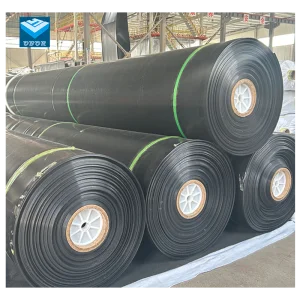
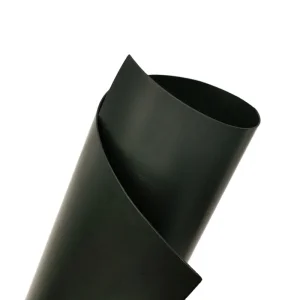
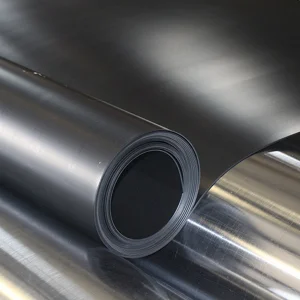
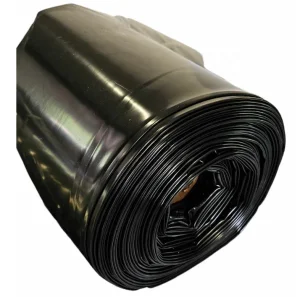
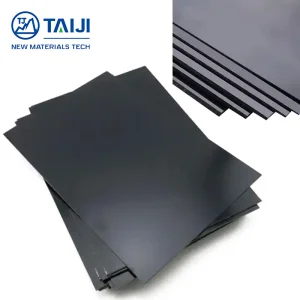
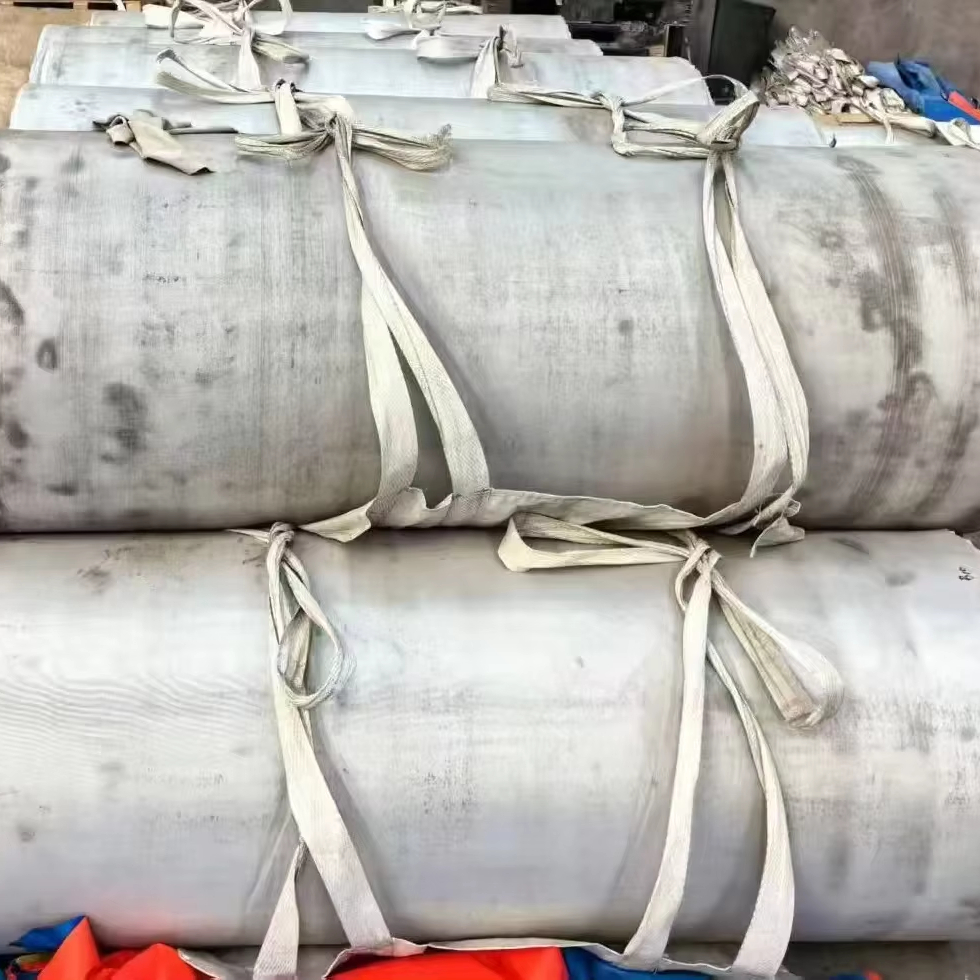
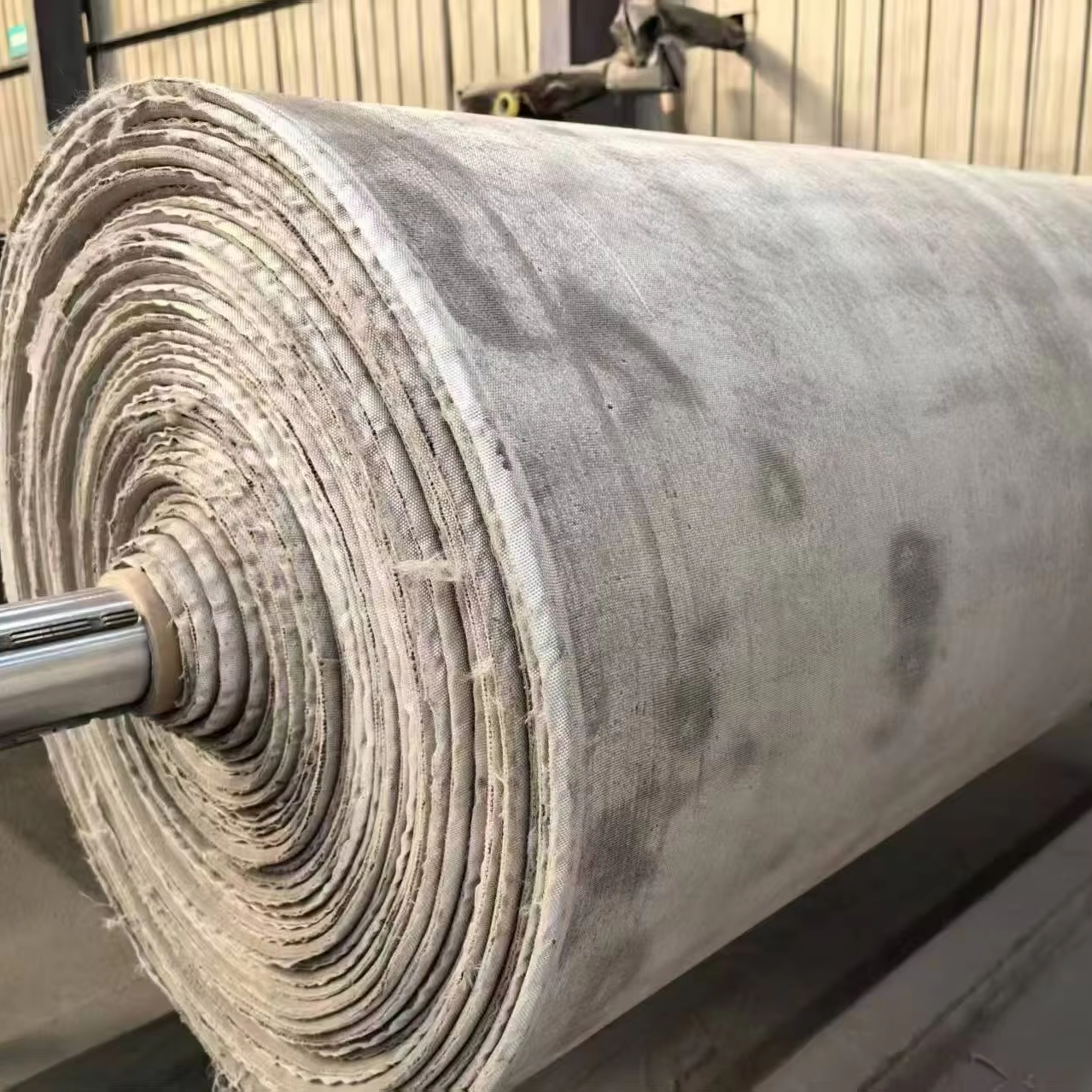
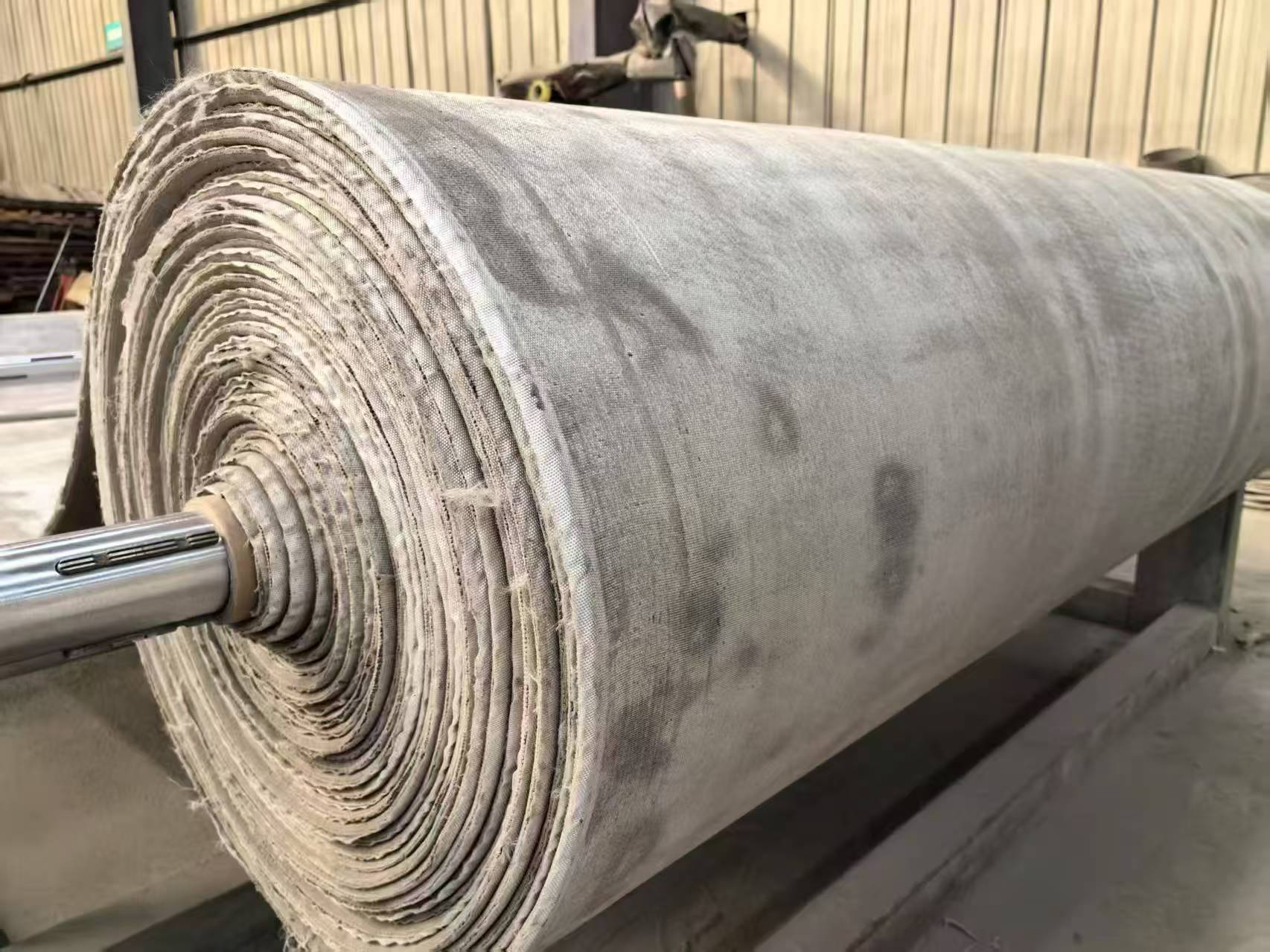
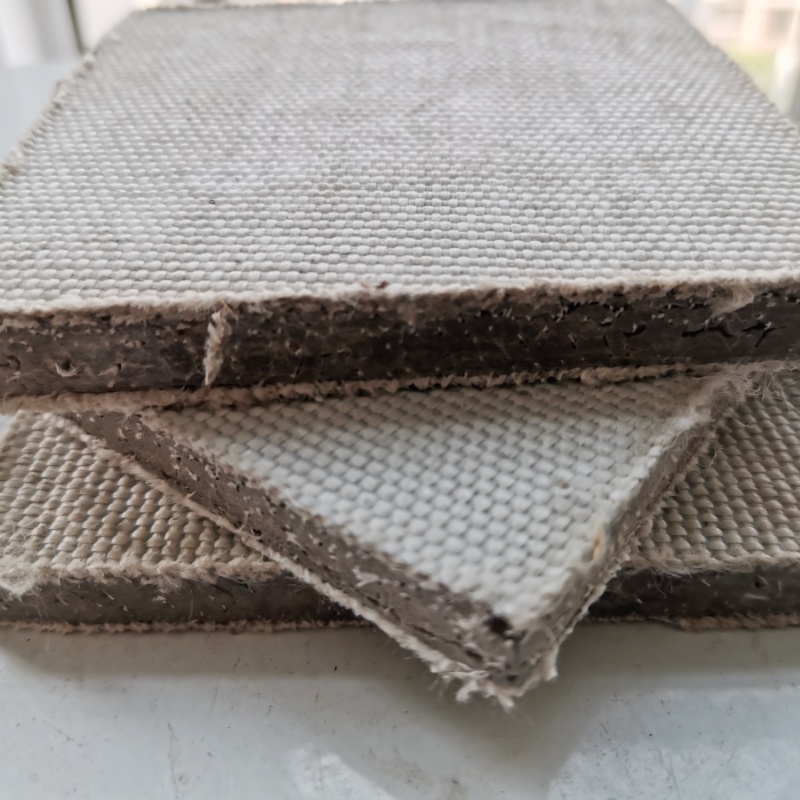
Using organic and inorganic reinforcing fibers, water control layer, combined with concrete dry powder, and stored in rolls, forming a flexible cement-based polymer composite material.
| Model | Thickness (mm) | Width (meters) | Density (kg/square meter) | Specifications (meters/roll) | Curing time (minutes) |
|---|---|---|---|---|---|
| C906 | 6 | 1.25/2.4 | 8 | 60 | 120 |
| C910 | 10 | 1.25/2.4 | 14 | 50 | 120 |
| D910 | 10 | 1.25/2.4 | 14 | 50 | 240 |
| B910 | 10 | 1.25/2.4 | 14 | 50 | 120 |
| A910 | 10 | 1.25/2.4 | 14 | 50 | 120 |
| C915 | 15 | 1.25/2.4 | 20 | 50 | 120 |
| S910 | 10 | 1.25/2.4 | 14 | 50 | 5~15 |
| S915 | 15 | 1.25/2.4 | 18 | 50 | 5~15 |
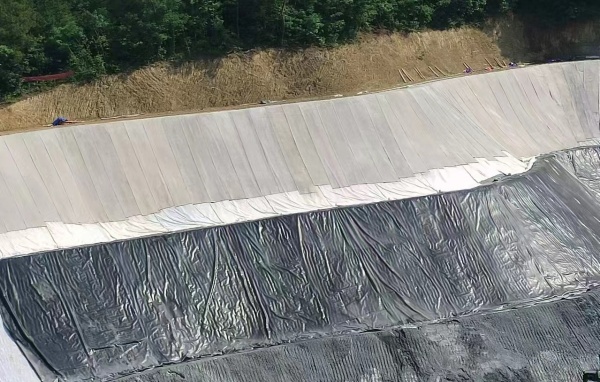
Widely applied across various engineering projects, including:
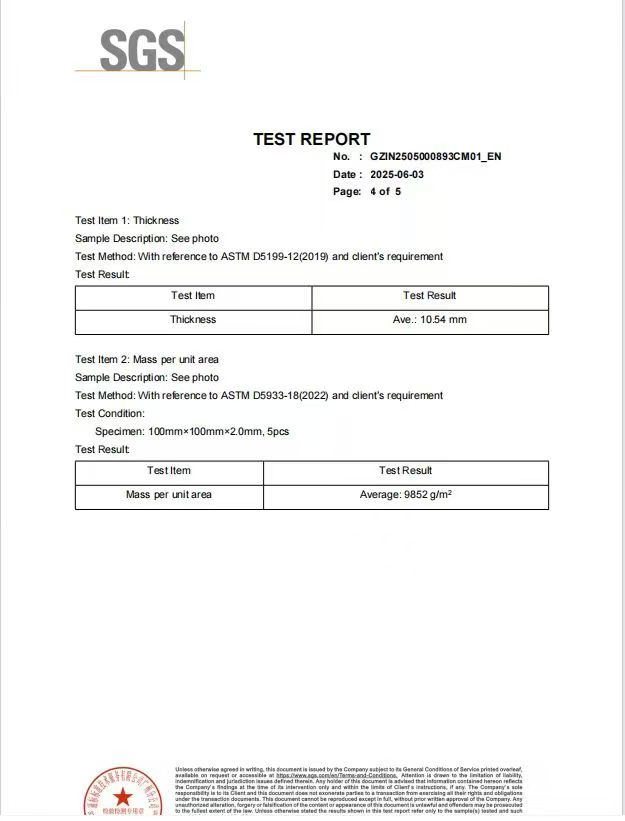
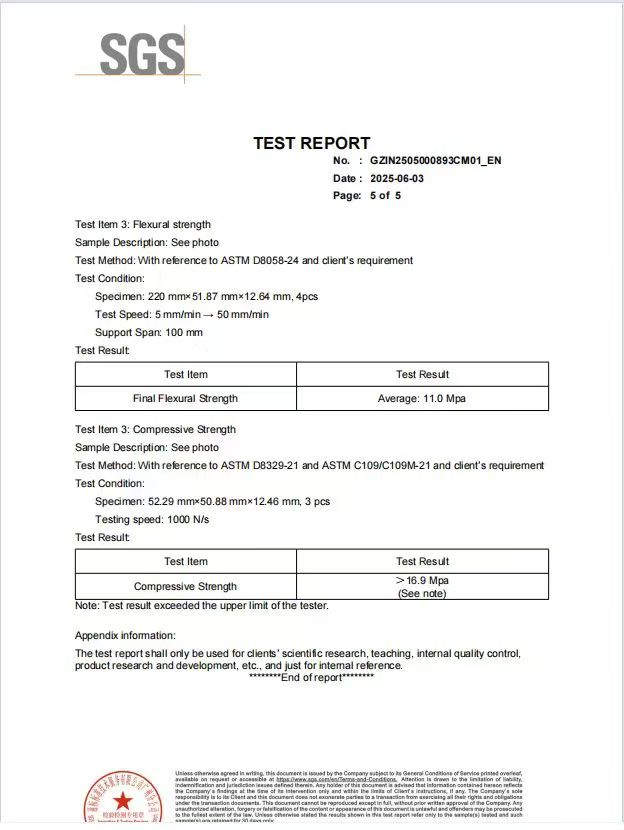
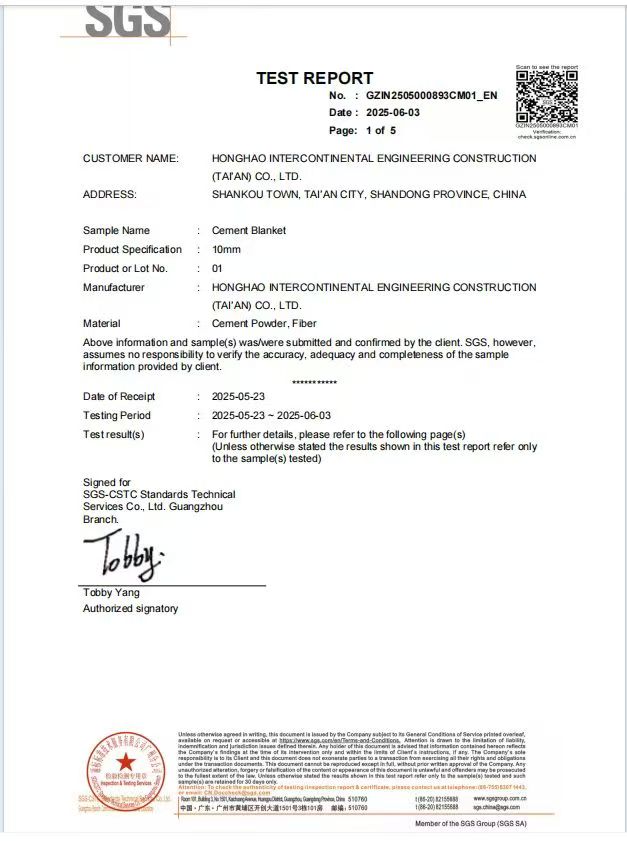
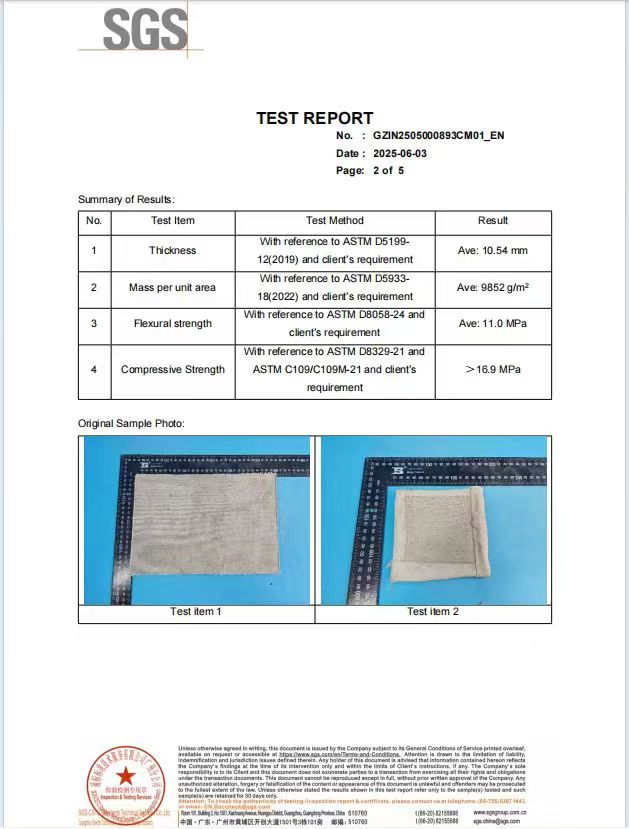
It is a flexible cement-based polymer composite material stored in rolls, made using organic and inorganic reinforcing fibers, a water control layer, and concrete dry powder.
The main advantages include easy construction, environmentally friendly and low-carbon properties, fireproof and UV resistance, durability, capability for water homework, and low comprehensive cost.
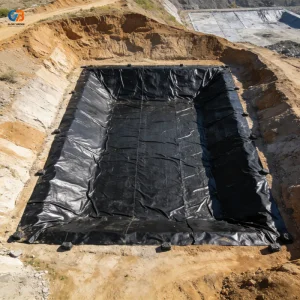
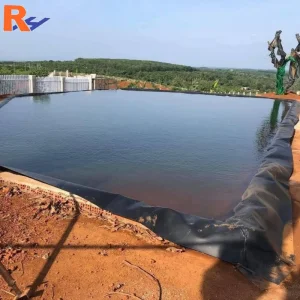
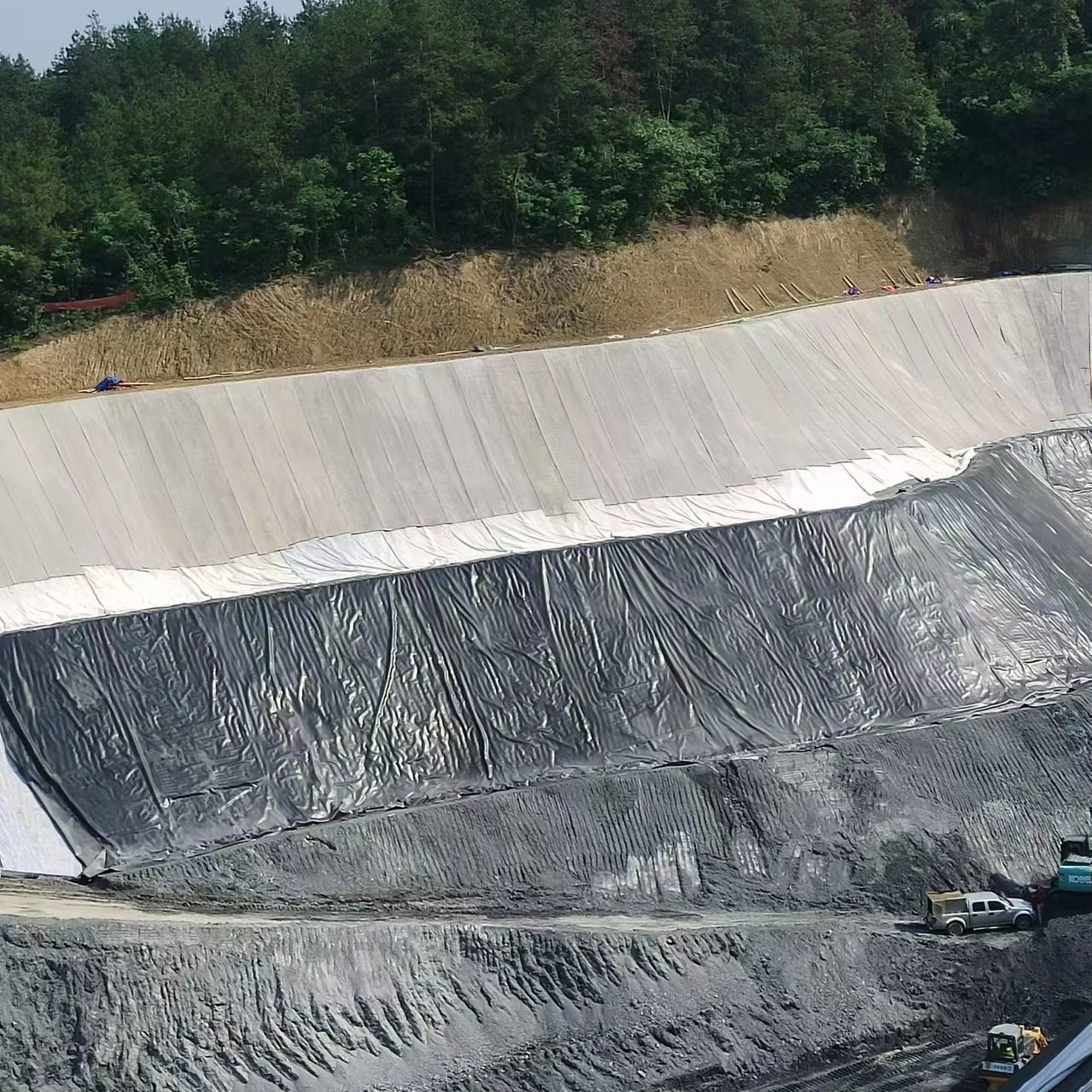
It is widely used in water conservancy, roads, railways, agriculture, electricity, petrochemicals, mining, waterproofing, aquaculture, and structures such as ditches, slopes, and ponds.
The splicing process is composed of four stages: Crop, Laying, Overlapping, and Hydration.
Most models, including C906, C910, B910, A910, and C915, require a curing time of 120 minutes. Model D910 requires 240 minutes, while models S910 and S915 cure within 5 to 15 minutes.
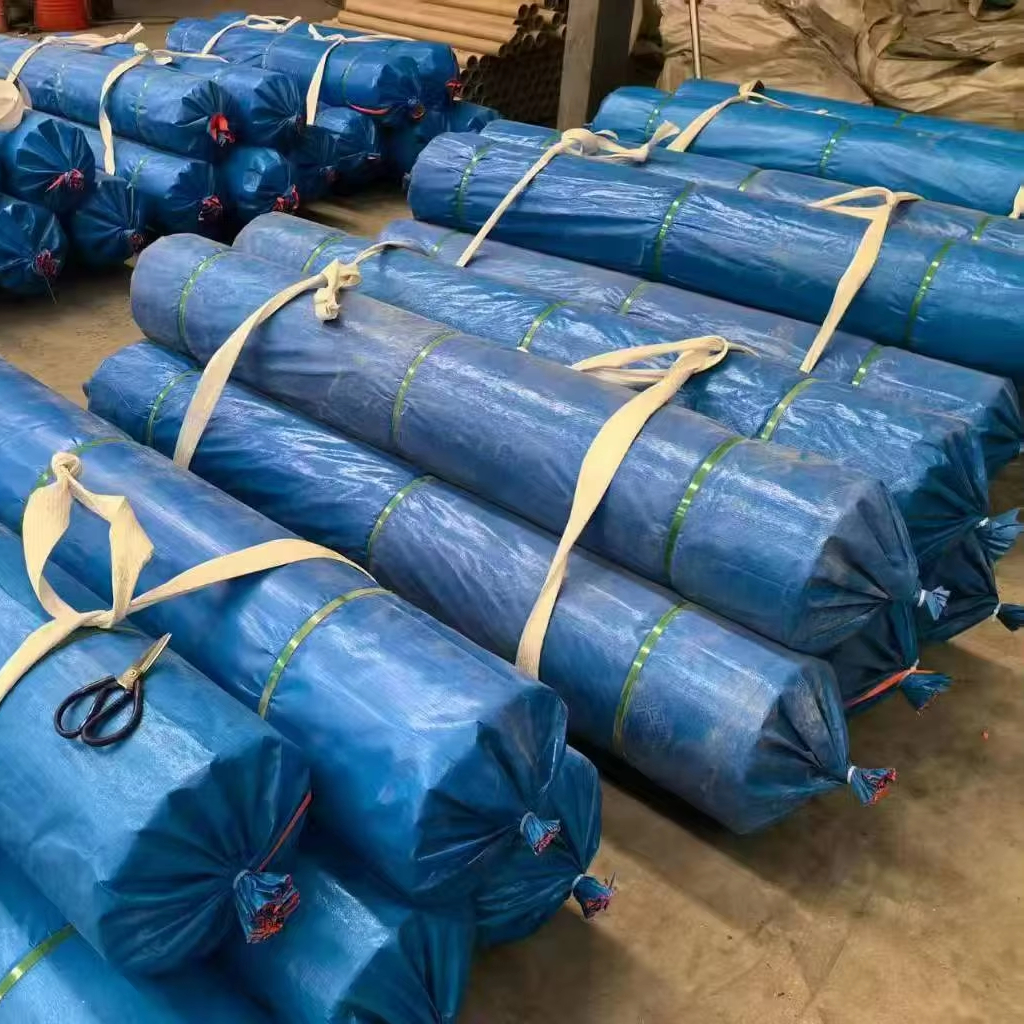
The usual departure port is Qingdao Port. Departure fees include trailer fee, port customs clearance and other fees, electricity discharge fee, and ocean freight.