Fmo Beauty
Fmo Beauty
Fmo Beauty
Explore our trending, highly-demanded cosmetics formulations engineered for international standards.
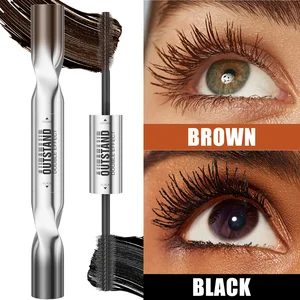
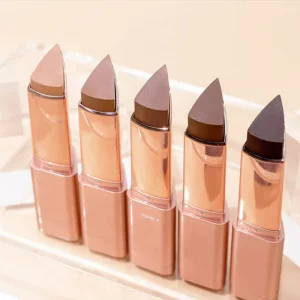
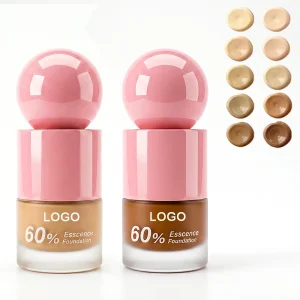
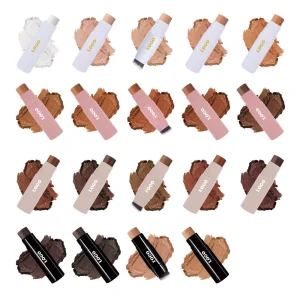

Understanding the intersection of restorative skincare and clean color cosmetics.
The global beauty market is undergoing a paradigm shift. Consumers no longer view cosmetics solely as aesthetic enhancers; they demand functional benefits that actively promote skin health. The rise of "skinimalism" (skin minimalism) has catapulted hybrid formulations to the forefront of the market, with tinted lip balms experiencing unprecedented growth. By merging the moisture-locking, barrier-repair qualities of traditional lip care with the customizable pigment payout of high-end lipsticks, tinted lip balms cater perfectly to the "no-makeup makeup" trend dominant across North America, Europe, and East Asia.
According to industrial indicators, the lip care market is anticipated to expand at a compound annual growth rate (CAGR) of over 6.2% through 2030. Within this segment, tinted formats are vastly outperforming clear variants. Global brands are seeking tier-1 manufacturing partners capable of balancing high-refraction botanical oils, clean colorants, and dermatologically proven active ingredients. For procurement teams and cosmetic founders, selecting an OEM/ODM partner requires evaluating formula stability, regulatory capabilities, and global distribution infrastructure.
Most lists of cosmetic factories only provide generic contact information. This deep-dive whitepaper goes beyond, examining the structural chemistry of tinted lip balm production, raw material logistics in South China's cosmetic clusters, and regulatory frameworks required to secure high-margin product compliance in diverse markets.
How top-tier factories like Guangzhou Fmo Beauty Co., Ltd. maintain their lead.
Creating homogenous emulsions of organic waxes, pigments, and hydrating actives without color separation or sweating.
Familiarity with FDA, Regulation (EC) No 1223/2009, and ISO 22716 certification to prevent customs delays.
Specialized high-precision cooling and multi-stage filling lines designed for hot-pour formulas like sticks and jars.
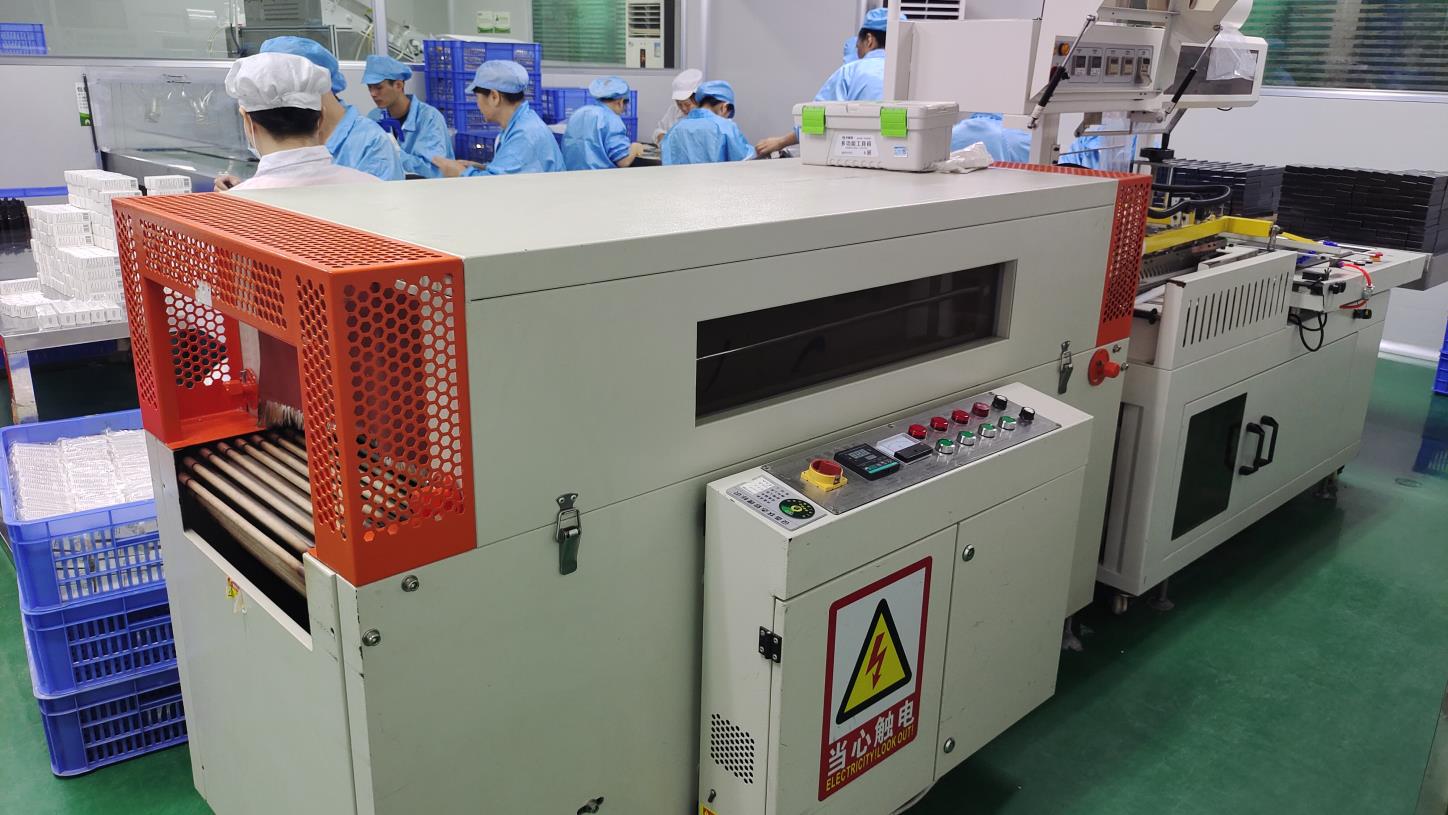
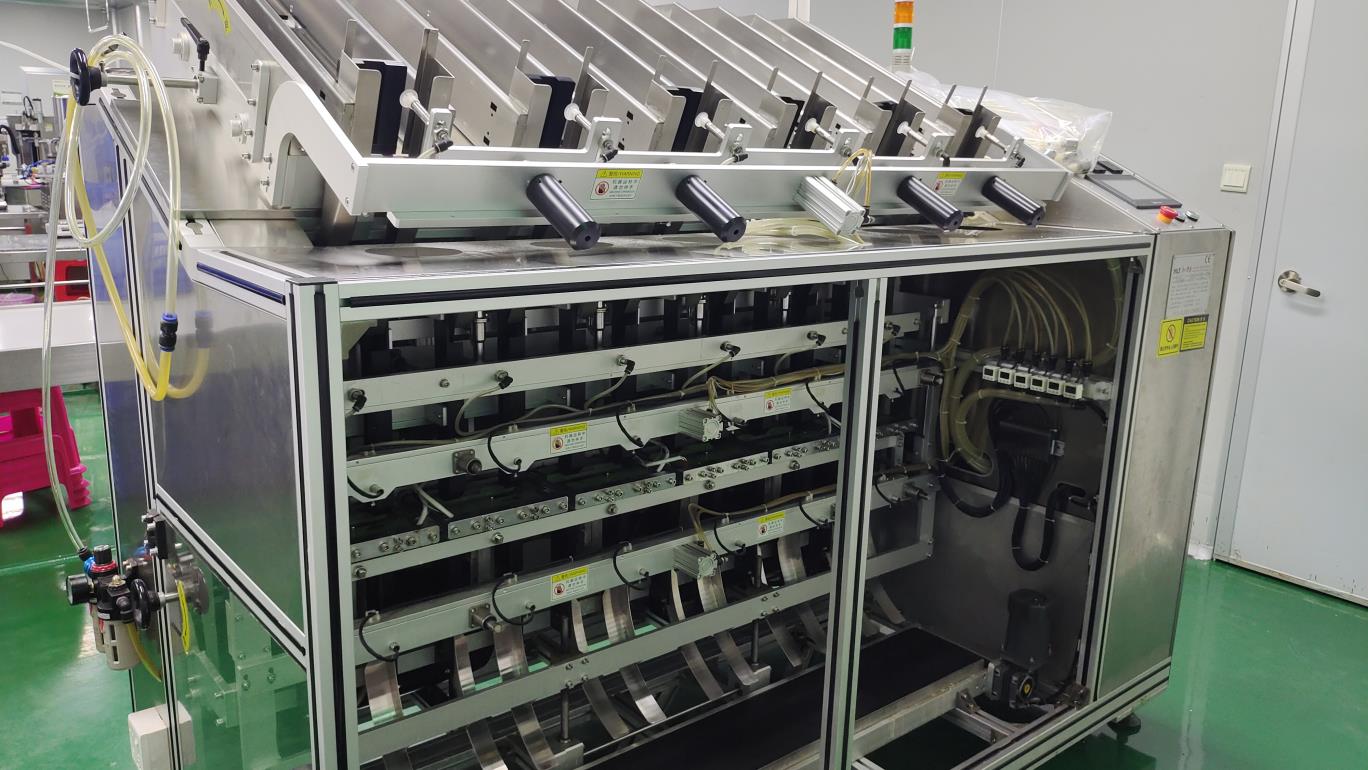
Among the list of leading lip balm manufacturers, Guangzhou Fmo Beauty Co., Ltd. stands out as a preeminent OEM & ODM cosmetic force located in Guangzhou, China. With nearly 20 years of dedicated experience in the beauty manufacturing sector, Fmo Beauty offers a comprehensive, one-stop private label solution. Operating from a state-of-the-art facility in the Baiyun District (conveniently positioned just 10 minutes from Guangzhou Baiyun International Airport), they run professional research laboratories, strict quality control procedures, and cutting-edge packaging automation.
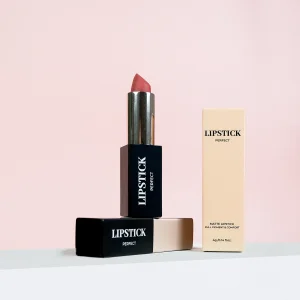
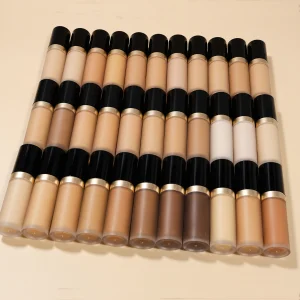
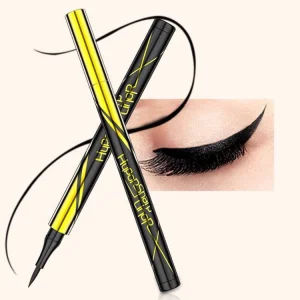
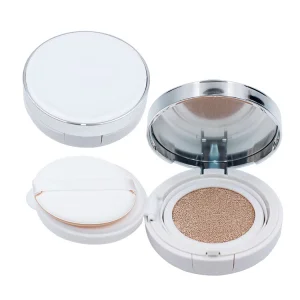
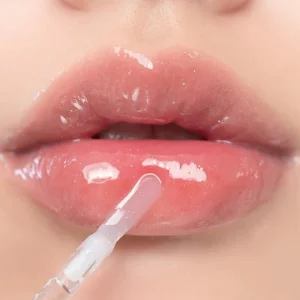
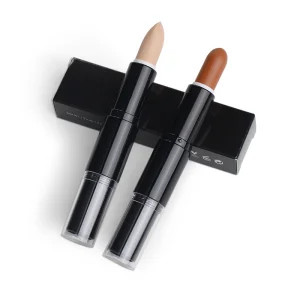
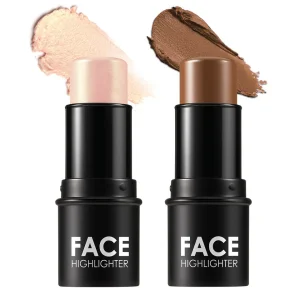
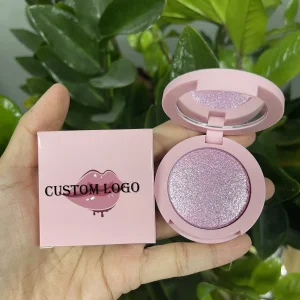
Their capabilities extend far beyond lip balm, incorporating an extensive color cosmetics portfolio: lipsticks, lip glosses, lip oils, foundations, concealers, blushes, highlighters, and eye makeups. Fmo Beauty has effectively served more than 2,000 beauty brands worldwide, exporting to over 40 countries, with major market penetration in North America, Europe, Australia, and the Middle East. This broad footprint proves their agility in meeting varying regulatory frameworks and local market demands.
Deep dive into the structural engineering of premium tinted lip balms.
Developing a high-performance tinted lip balm is a masterclass in rheology and thermodynamic stability. Manufacturers must strike a balance: the formulation must remain solid and structural in its casing up to 45°C, yet melt instantly at 32°C upon contact with the lips, leaving a uniform, lightweight moisture barrier without tackiness.
Premium clean-beauty brands are moving away from petroleum-derived microcrystalline and paraffin waxes. The modern standard relies on a synergistic blend of natural waxes:
Consumers require high-potency ingredients. Leading laboratories are incorporating advanced lipid-replenishing compounds:
| Active Category | Functional Mechanism | Key Benefits for Consumer |
|---|---|---|
| Hyaluronic Acid Microspheres | Dehydrated spheres that rehydrate in the lip's moisture, expanding to fill fine lines. | Instant volume-boosting and continuous, multi-hour hydration. |
| Ceramides (NP, AP, EOP) | Mimic the natural lipid barrier to repair chapped, peeling skin. | Long-term reduction in transepidermal water loss (TEWL). |
| Phyto-Squalane | Highly stable botanical lipid that absorbs deeply without a greasy residue. | Superb emolliency and silky, non-sticky slip. |
| Natural UV Filters (Non-Nano Zinc Oxide) | Provides mineral SPF protection against UVA/UVB damage. | Prevents photoaging and lip darkening. |
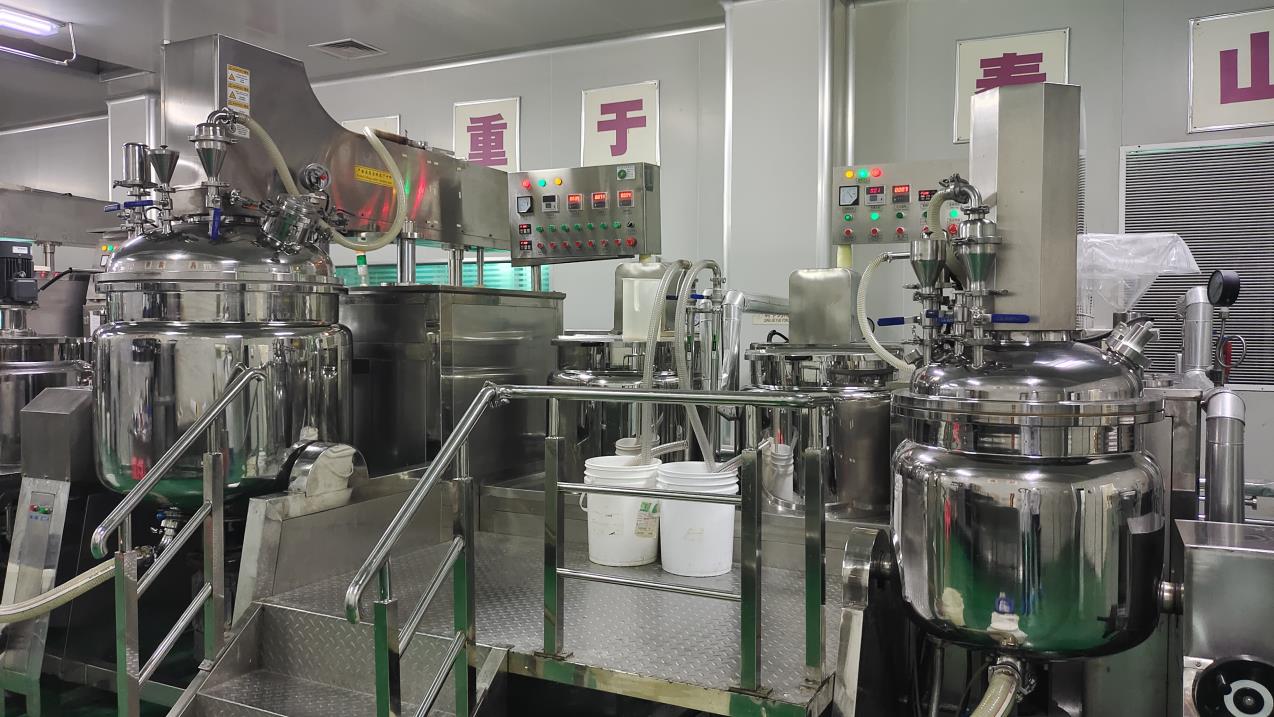
The primary challenge in manufacturing tinted lip balms is keeping pigment particles (Iron Oxides, Red Lakes, Titanium Dioxide) suspended uniformly throughout the heating, filling, and rapid cooling phases. If cooling is too slow, pigments settle at the bottom of the mold, causing inconsistent color distribution. Factories like Guangzhou Fmo Beauty utilize high-shear grinding and homogenization machinery to disperse pigments to sub-micron levels prior to filling.
A visual walkthrough of the GMPC-compliant production process and advanced machinery at Guangzhou Fmo Beauty Co., Ltd.
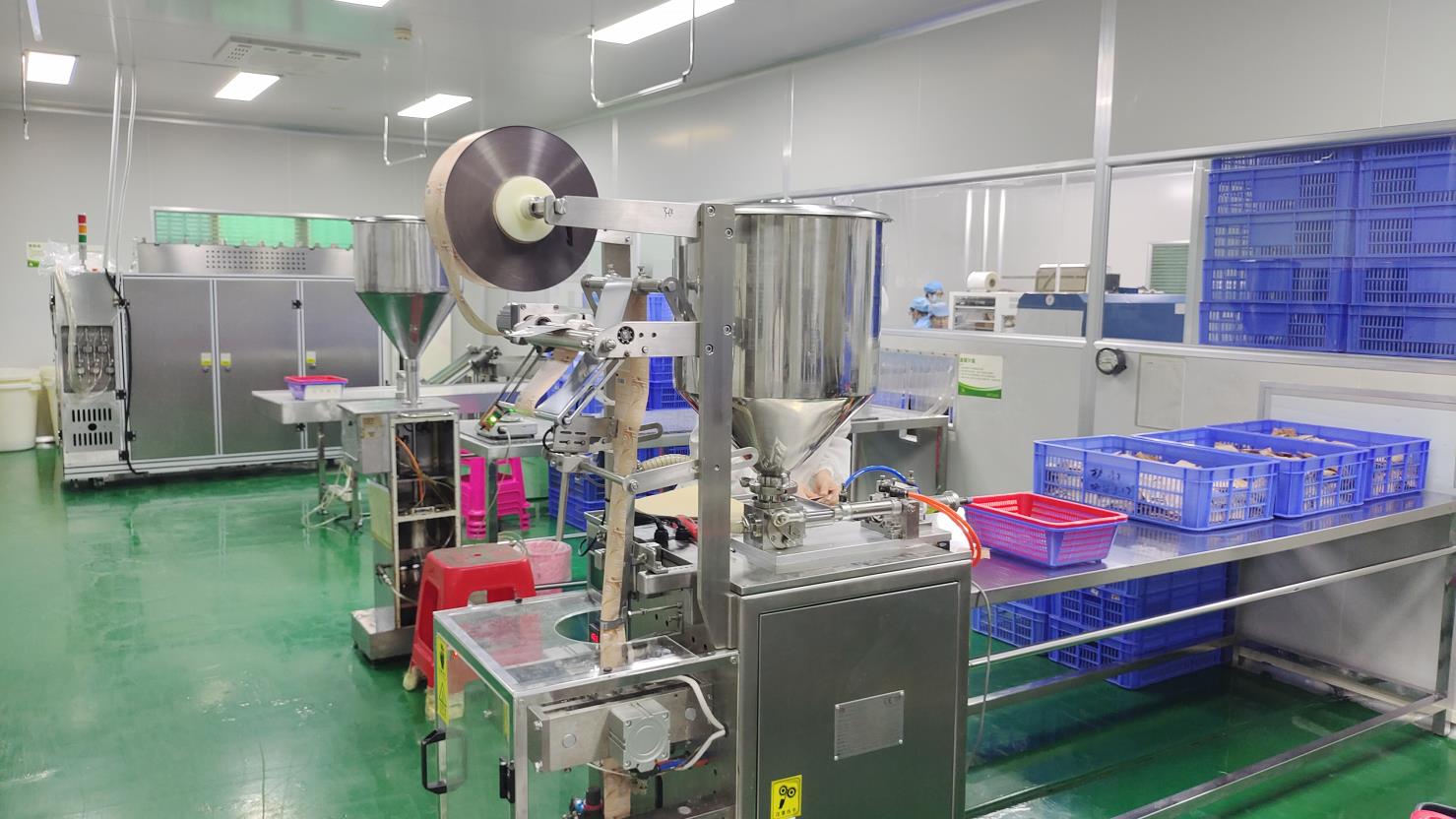
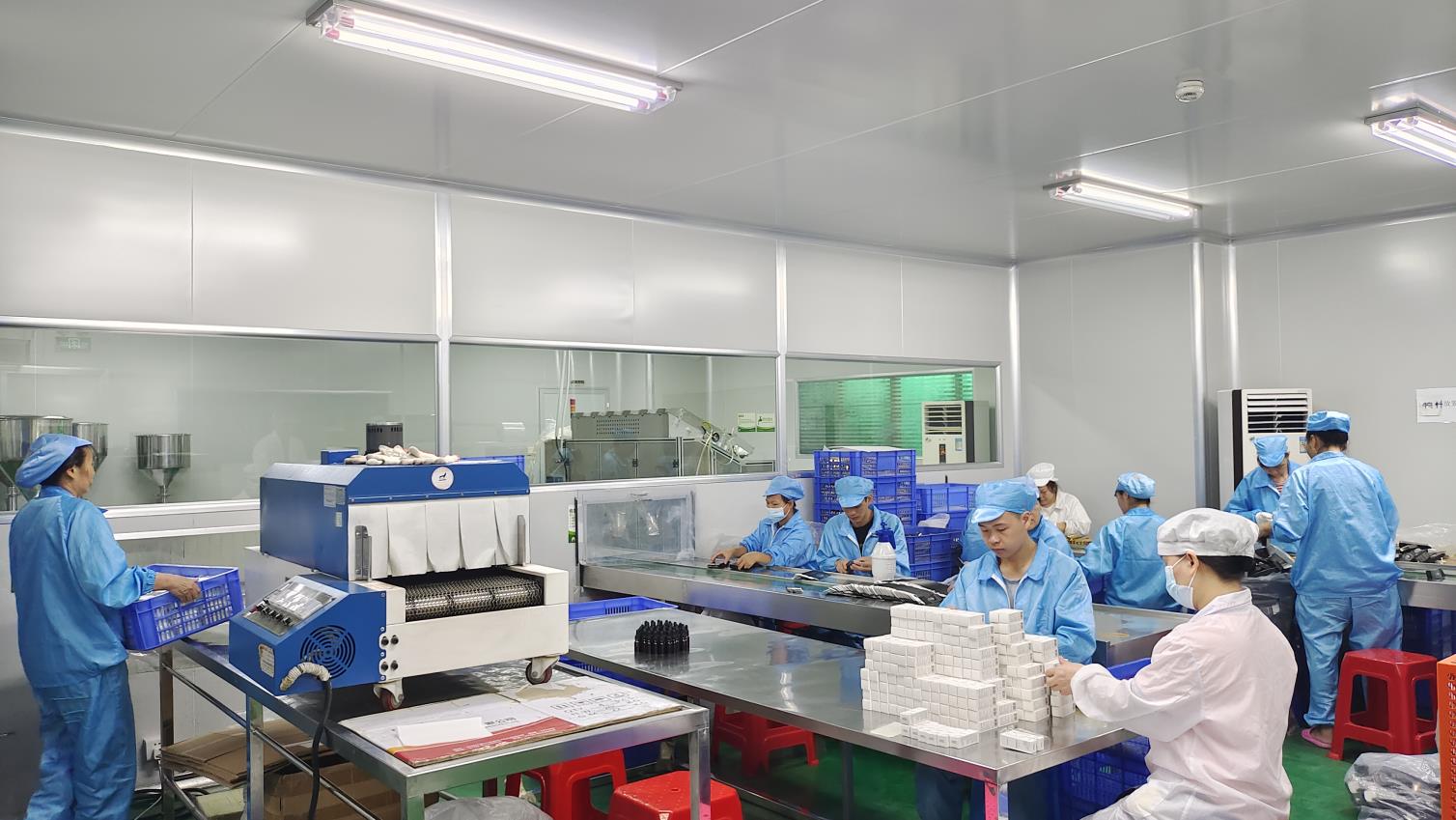
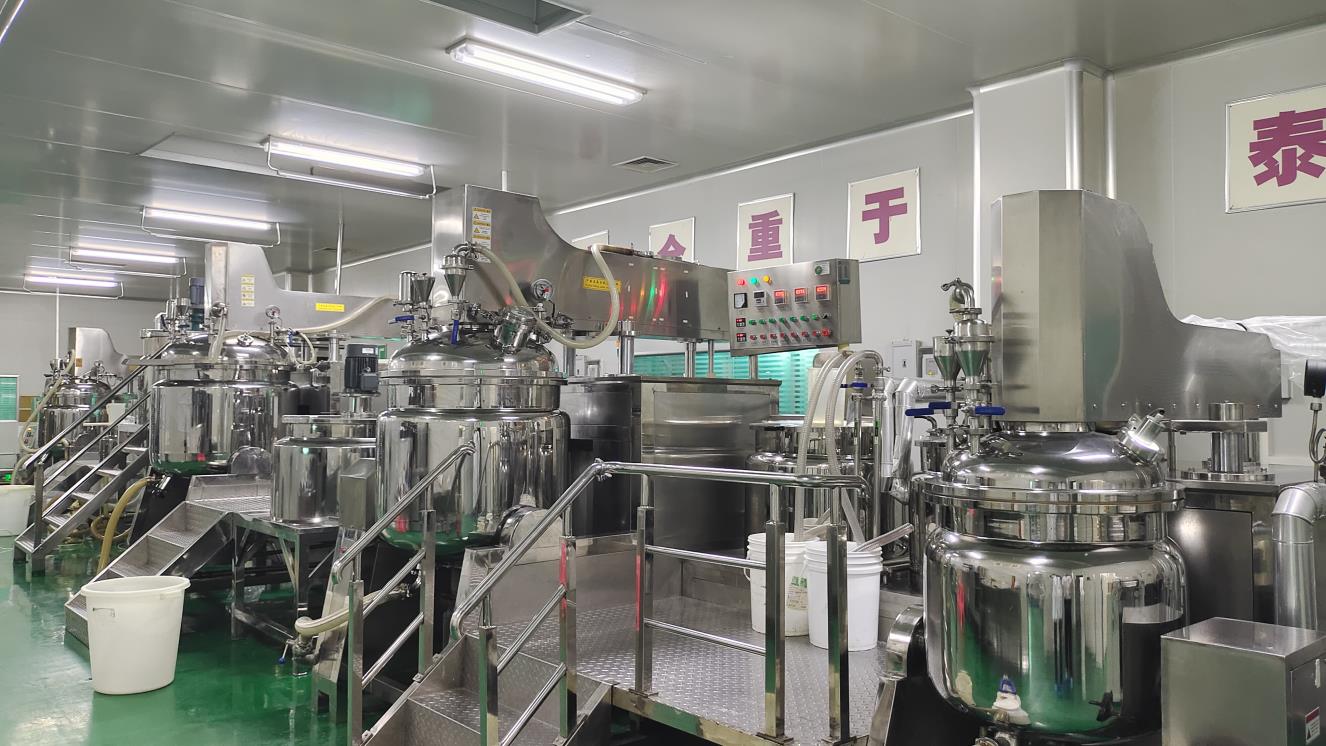

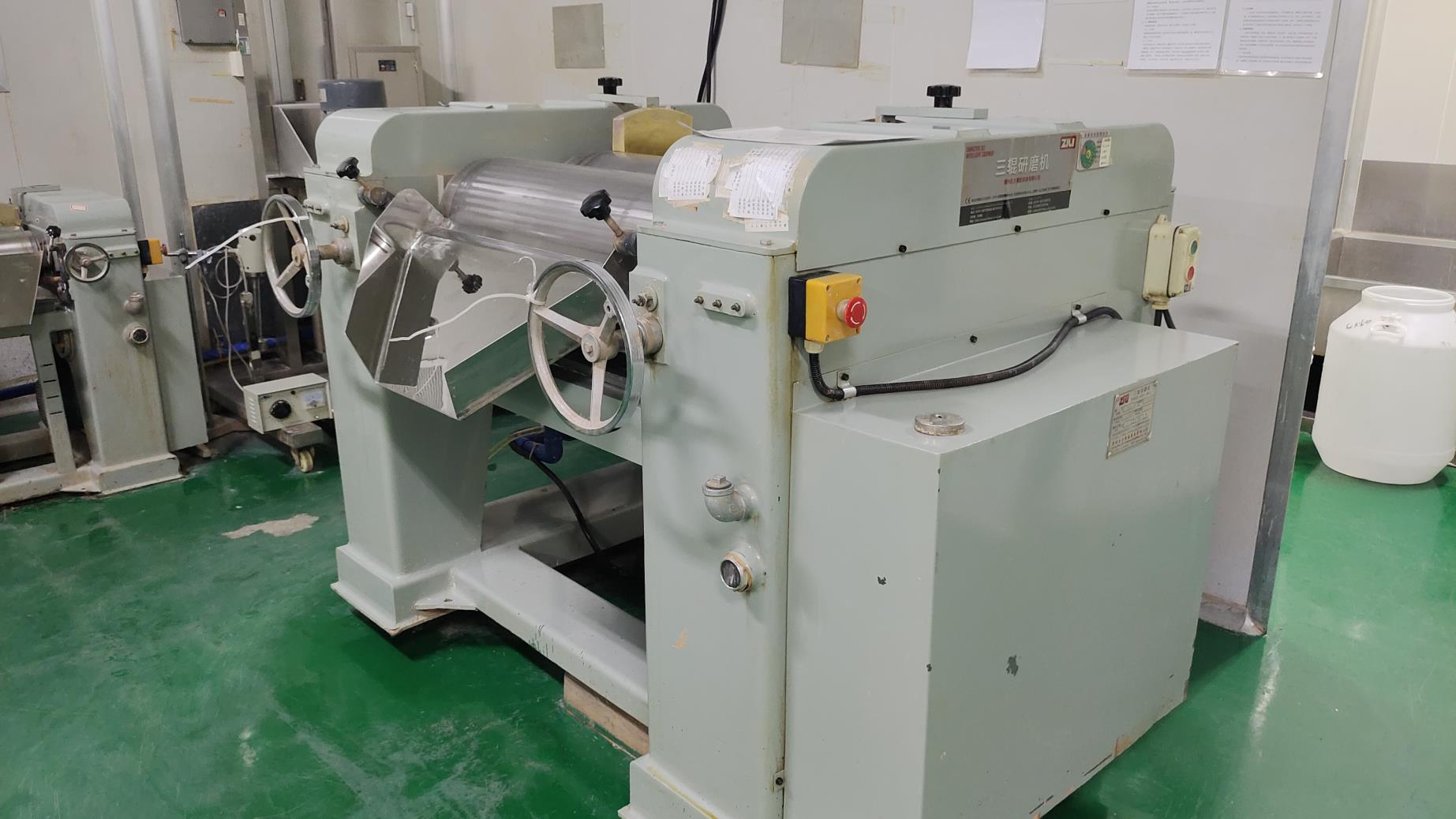
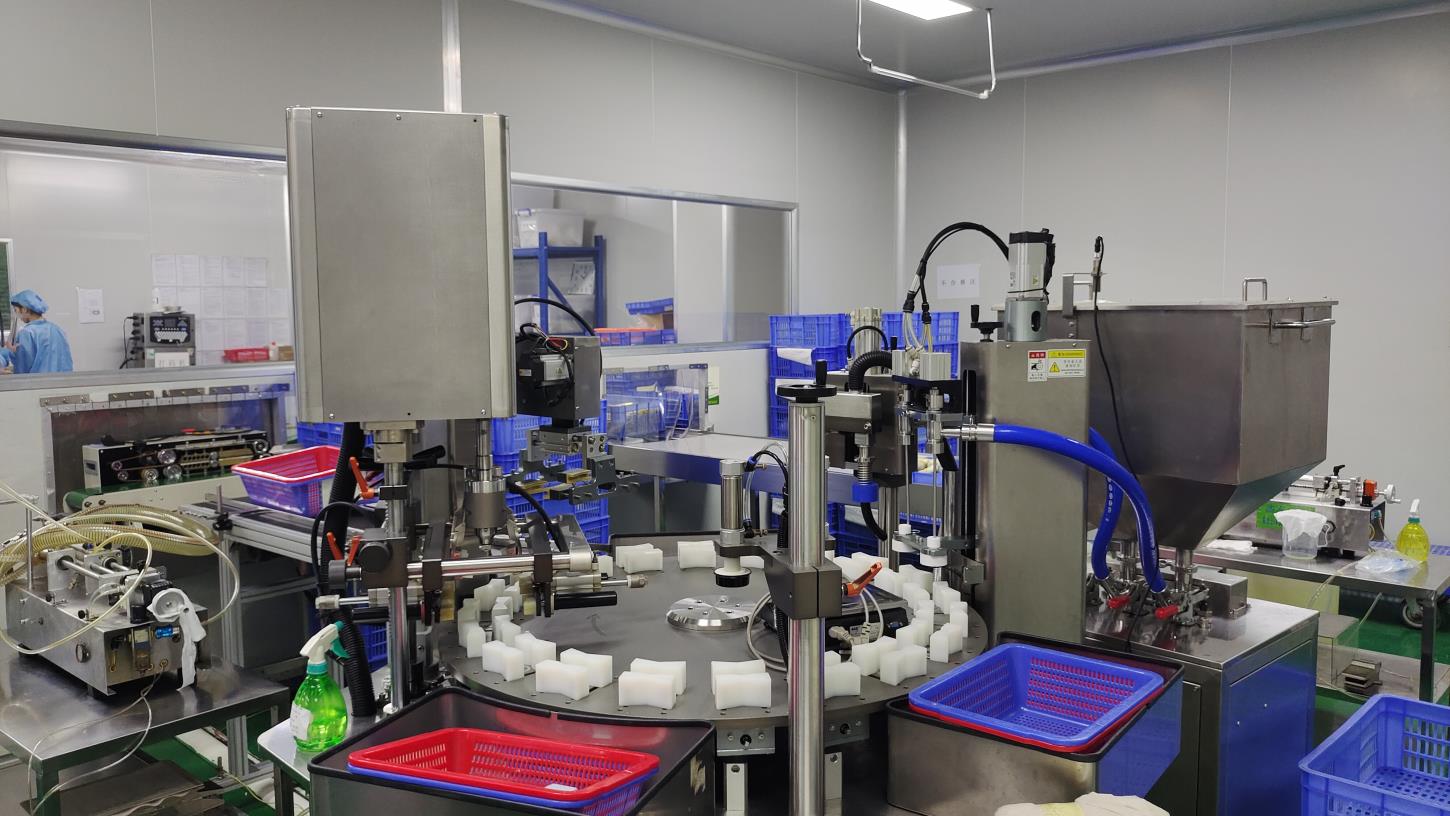
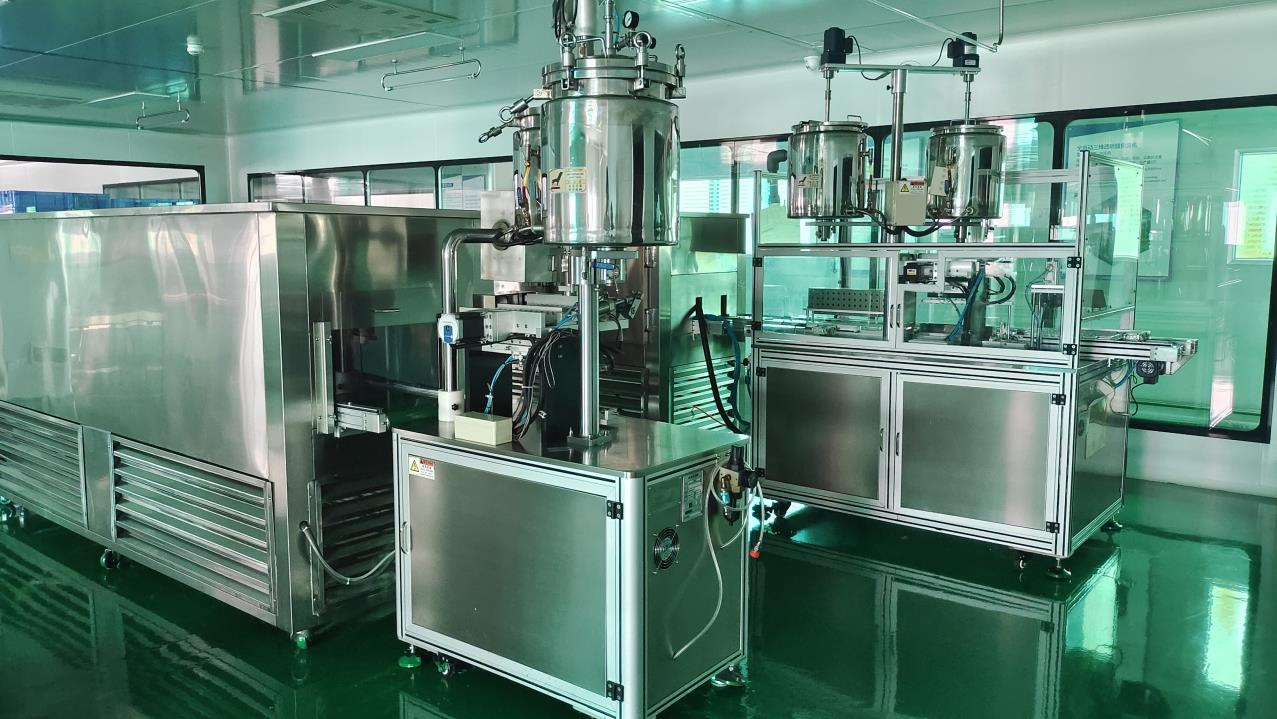
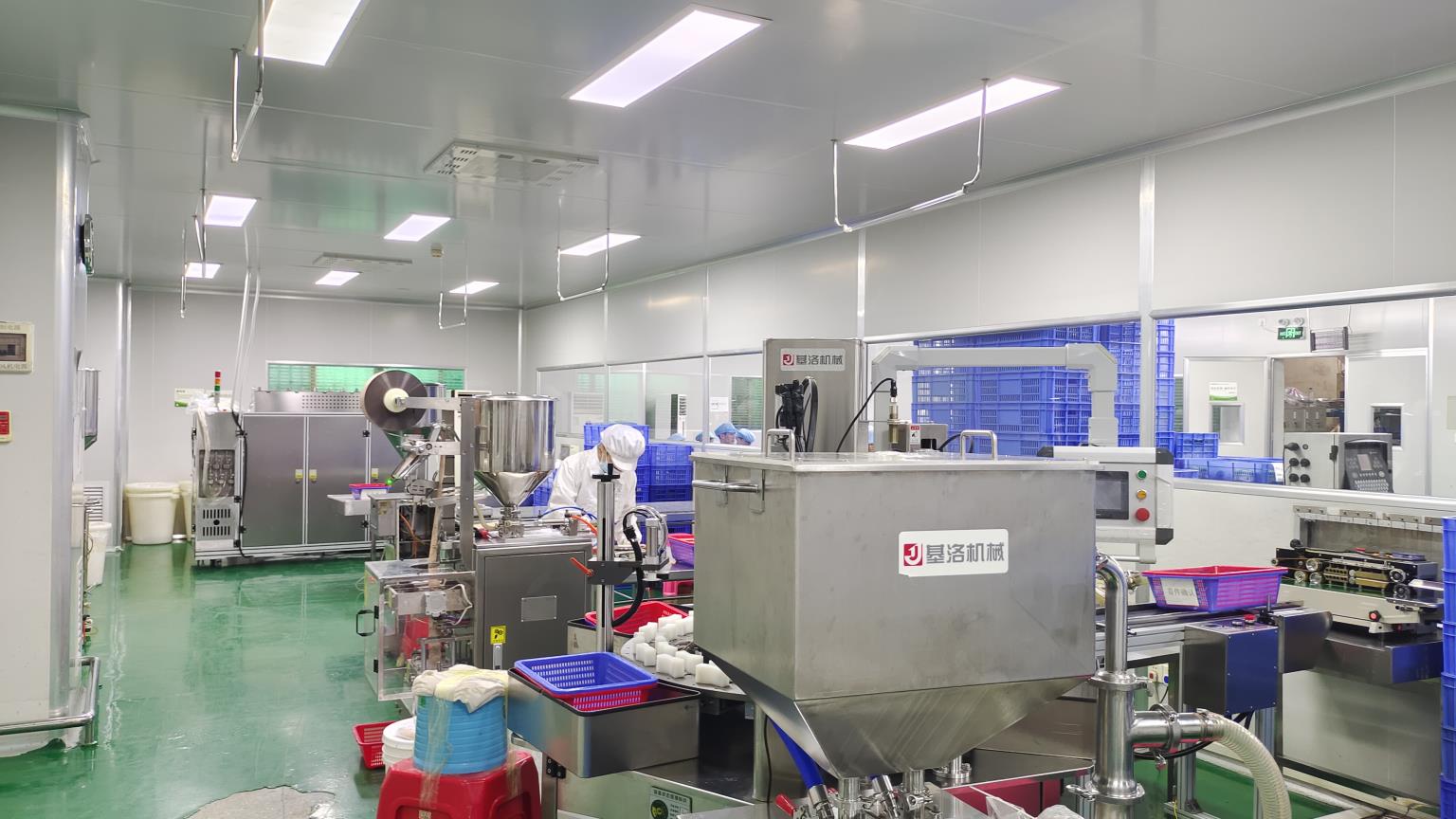
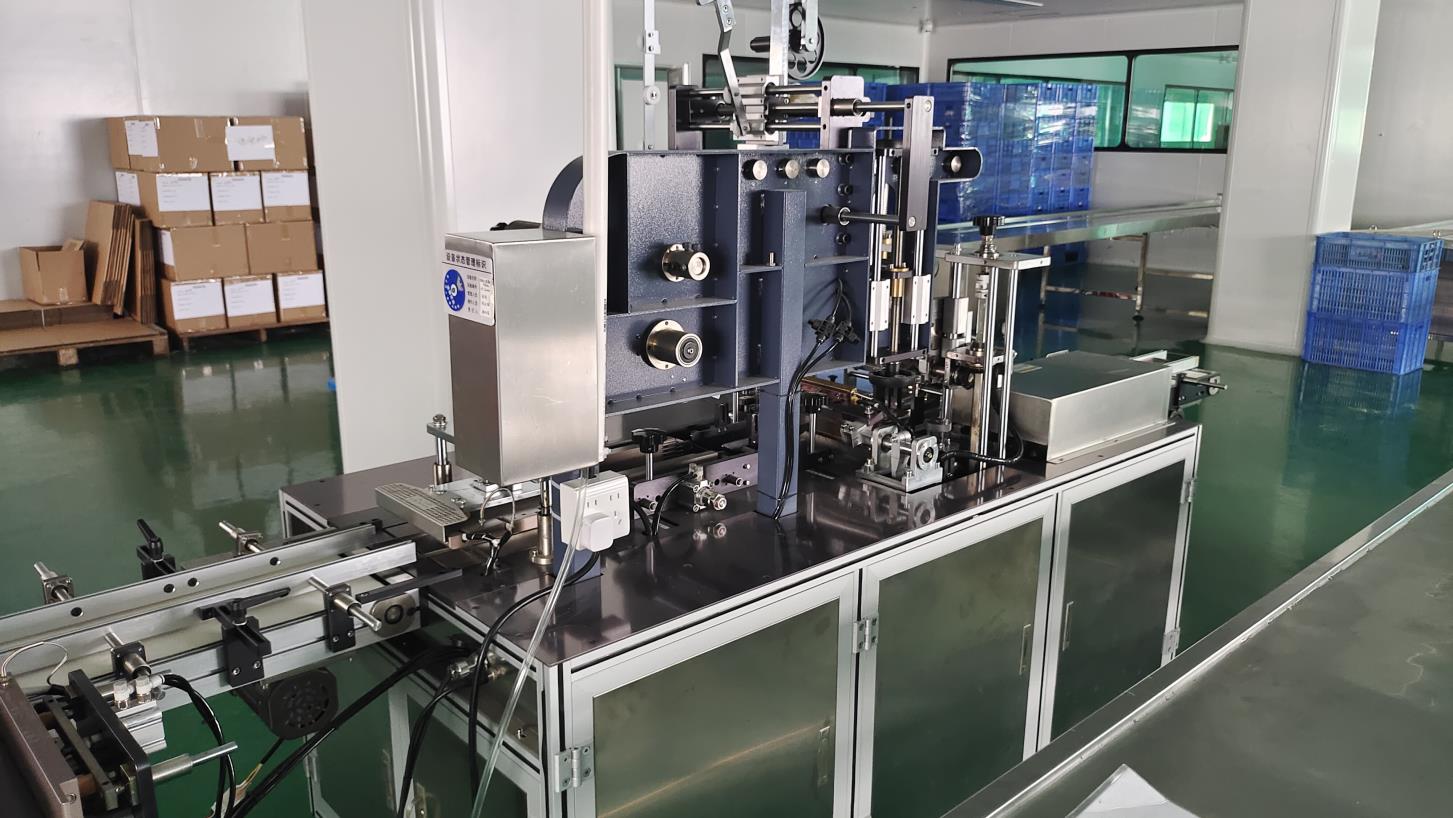
How the South China cosmetic cluster delivers superior value and efficiency to global buyers.
The decision to manufacture in China, particularly within the Guangzhou industrial zone, is driven by structural efficiencies. China's cosmetic supply chain is no longer just about low labor costs; it represents a highly integrated ecosystem of raw material vendors, packaging mold designers, testing laboratories, and logistics providers.
Matching custom formulations to regional market expectations and usage scenarios.
To successfully capture local market share, a generic tinted lip balm will not suffice. Formula customizability allows brands to tailor properties to target demographies:
1. Western Markets (North America & Western Europe): Focus on Clean-Label & Hydration
Western consumers search for terms such as "organic moisturizing balm," "vegan tinted balm," and "cruelty-free barrier repair." Formulation adjustments here favor heavy plant butters (shea, cocoa), nude/neutral color palettes, and large biodegradable tube components.
2. Southeast Asian Markets: Light Feel & Humidity Resistance
In warm, humid climates, consumers search for "non-sticky lip tint" and "sweatproof lip SPF." The formulation requires a higher proportion of volatile silicones or light esters and high-melting-point waxes to prevent the balm from melting in pockets, while offering a satin, non-greasy texture.
3. East Asian Markets (Japan, South Korea, China): Glass-Skin & High Gloss
Search intent centers on "glass lips," "jelly tints," and "water-dew shine." The factory customizes these batches using high-refraction polymers, water-in-oil emulsification technology, and sheer pastel hues that layer beautifully over lip liners.
Bridging global standards with seamless logistics to guarantee worry-free imports.
Expanding globally requires compliance with safety protocols. A professional private-label cosmetic partner assists beauty founders through every step of this journey:
Practical answers to help buyers evaluate and navigate OEM/ODM lip balm partnerships.
What is the typical Minimum Order Quantity (MOQ) for tinted lip balms?
MOQs depend on whether the brand chooses stock formulations or custom-engineered formulas. For stock private-label formulas, the MOQ usually starts at 3,000 units. For completely custom colors, specialized scents, or unique packaging molds, MOQs generally range from 5,000 to 12,000 units per shade.
How do factories prevent tinted lip balms from "sweating" in hot climates?
"Sweating" occurs when oils separate and pool on the balm surface due to temperature fluctuations. Top factories resolve this by balancing the crystalline structures of Candelilla and Carnauba waxes with polar oils, ensuring the lipid network locks the emollients securely in place.
Are your cosmetic formulations vegan and cruelty-free?
Yes. Under OEM/ODM services, formulations can be designed as 100% vegan by replacing animal-derived beeswax with synthetic beeswax, candelilla, or carnauba waxes. Cruelty-free protocols are strictly maintained across raw material sourcing.
What certifications do your manufacturing lines hold?
High-quality factories operate under GMPC (Guideline for Good Manufacture Practice of Cosmetics) and ISO 22716 standards, ensuring rigorous hygiene, raw material handling, and traceability protocols.
What is the standard lead time for mass production?
Once the pre-production sample is approved, raw materials are safety-tested, and packaging designs are finalized, mass production typically takes 25 to 35 business days. Shipping times vary depending on the destination port and transit method (ocean freight or express air).
Browse our extended range of long-lasting, high-pigment, and skin-barrier enhancing cosmetics.