Fmo Beauty
Fmo Beauty
Fmo Beauty
Explore our premium custom products catalog, designed for high-performance sunscreen bases, nourishing face primers, and radiant makeup formulas.
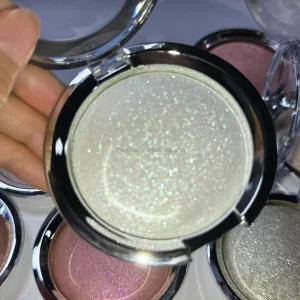
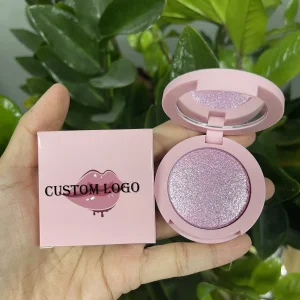
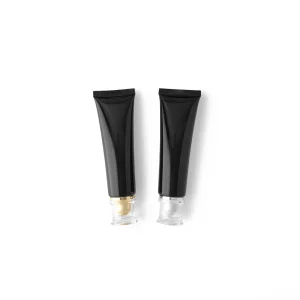
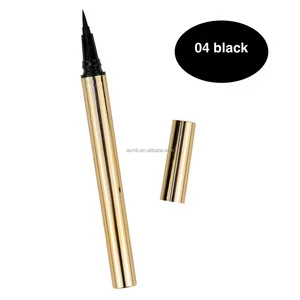
In the global cosmetic and personal care industry, suncare is no longer a seasonal consideration but a pillar of daily skincare routines. Consumer awareness of ultraviolet (UV) radiation, coupled with deep education around photoaging, skin cancers, and hyperpigmentation, has driven the sunblock cream market to unprecedented heights. For global beauty brands, sourcing from the right sunblock cream manufacturer is a strategic decision that directly influences brand equity, regulatory compliance, and market growth.
This comprehensive industry whitepaper provides an analytical breakdown of global sunscreen manufacturing. By integrating key principles of E-E-A-T (Experience, Expertise, Authoritativeness, and Trustworthiness), we explore the core factors that set top-tier Chinese manufacturing hubs apart. We analyze technical formulation challenges, clean beauty regulations, manufacturing environments, and global sourcing requirements, helping brands turn concept ideas into high-performing, market-ready consumer products.
We cut through common marketing buzzwords to present real, data-backed insights on sunscreen active stabilization, raw material transparency, and in vitro vs. in vivo SPF testing protocols.
Navigating global regulatory landscapes including US FDA OTC regulations, EU Annex VI updates, and China's stringent NMPA registration pathways for cosmetic imports and exports.
Investigating the paradigm shift toward hybrid sunscreens, reef-safe mineral blockers, customizable tone-up finishes, and multi-functional anti-aging active integration.
China has firmly established itself as the global epicenter for cosmetics and skincare manufacturing, with Guangzhou's Baiyun District serving as the core industrial engine. The competitive advantage of Chinese sunblock factories goes beyond raw labor arbitrage; it is rooted in deep structural supply-chain optimization, technological agility, and comprehensive resource integration.
Unmatched Supply Chain Clusters: Within Guangzhou, a manufacturer has access to hundreds of premium chemical suppliers, eco-friendly packaging developers, mold design workshops, and logistics hubs within a 50-kilometer radius. This hyper-localization of the upstream and downstream supply chain drastically reduces lead times and allows rapid prototyping of sunscreen formulations that would take months to coordinate in other parts of the world.
Advanced Scientific Infrastructure: Modern factories like Guangzhou Fmo Beauty Co., Ltd. have invested heavily in high-performance liquid chromatography (HPLC), UV spectrophotometers, and microbiology laboratories. These technical setups allow for real-time validation of UV filter integrity, dispersion stability, and active ingredient preservation during the formulation stages, ensuring every batch meets global efficacy standards.
The sunscreen market is shifting from basic protection toward specialized, multi-functional, and environmentally conscious products. Global brands must align their product portfolios with these key growth drivers to maintain competitive positioning:
A single sunscreen formula cannot satisfy the global consumer base due to varying regional climates, skin types, and regulatory frameworks. Professional OEMs must customize formulas according to target geographies:
Humid & Tropical Climates (e.g., Southeast Asia, Brazil): High humidity requires sebum-control, ultra-matte, and highly water-resistant sunblock creams. Sweat-proof technology ensures that the sunscreen film does not dissolve or run into the eyes, maintaining consistent protection during outdoor activities.
Dry & High-UV Climates (e.g., Middle East, Western US): These regions demand rich, barrier-restoring emulsions. High-level SPF 50+ broad-spectrum formulations are combined with lipid replenishment agents to prevent moisture loss from hot dry winds.
Western Markets (North America & Europe): Clear labeling, vegan certifications, and compliance with the FDA Monograph or EU cosmetic directives are standard expectations. Formulas focus on high protection values (SPF 50 / PA++++) with clean, minimalist ingredient lists.
Launching a sun protection product requires navigating complex safety regulations and scientific validations. A professional OEM/ODM partner streamlines this journey through a highly structured development workflow:
Phase 1: Advanced Emulsification & Micro-dispersion: Utilizing high-shear homogenizers (like our Emulsification Pot and Grinding Machine) to achieve uniform dispersion of physical sunscreen particles. This prevents clumping, reduces white cast, and ensures a stable, consistent SPF factor across every milliliter of cream.
Phase 2: Rigorous Stability & Compatibility Protocols: Sunblock formulations undergo extreme freeze-thaw cycles, high-temperature aging tests, and light exposure testing. This ensures that the emulsion remains stable and the chemical or mineral filters do not degrade or separate over their shelf life.
Phase 3: Clinical SPF and Broad-Spectrum Validation: Working with accredited third-party laboratories to conduct both in vitro (instrumental) and in vivo (human subject) testing. This provides the verifiable SPF and PA rating certifications required by international customs and health authorities.
Strategic Manufacturing Partner with Nearly 20 Years of Beauty Industry Excellence in Guangzhou, China.
Located in the heart of Guangzhou's Baiyun District—just 10 minutes from Guangzhou Baiyun International Airport—Guangzhou Fmo Beauty Co., Ltd. is a leading professional OEM & ODM cosmetics manufacturer. Operating under strict international quality standards, our factory features advanced production lines, professional laboratories, and state-of-the-art testing facilities.
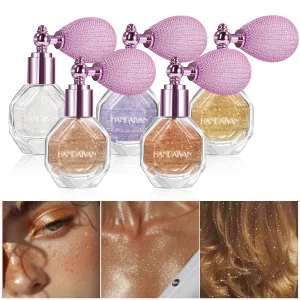
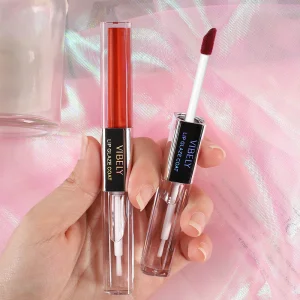
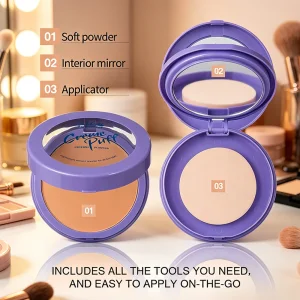
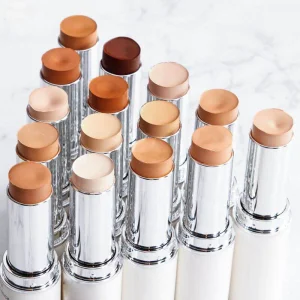
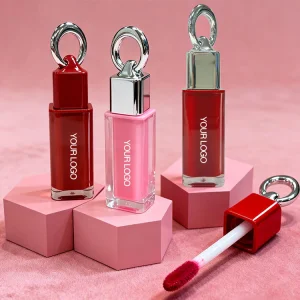
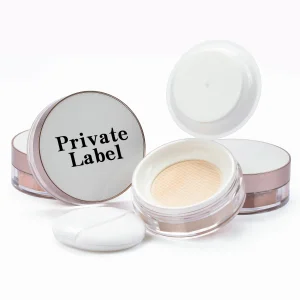
We provide complete, end-to-end private label solutions for beauty brands worldwide. Our extensive product portfolio includes lipsticks, lip glosses, lip oils, foundations, concealers, blushes, eyeshadows, highlighters, mascaras, eyeliners, sunscreen makeup, and tanning products. Backed by a highly experienced R&D team, we continuously develop trend-inspired formulas and offer customized packaging and branding solutions to help customers build highly competitive product lines.
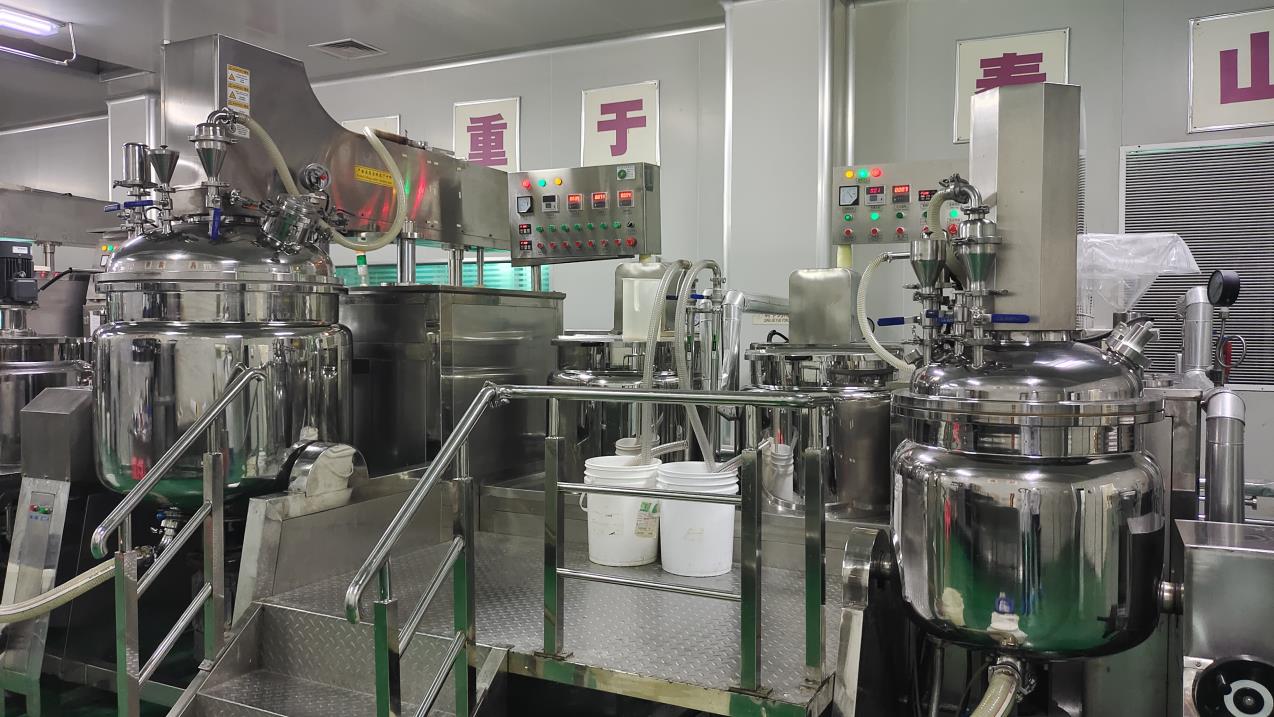
Emulsification Process
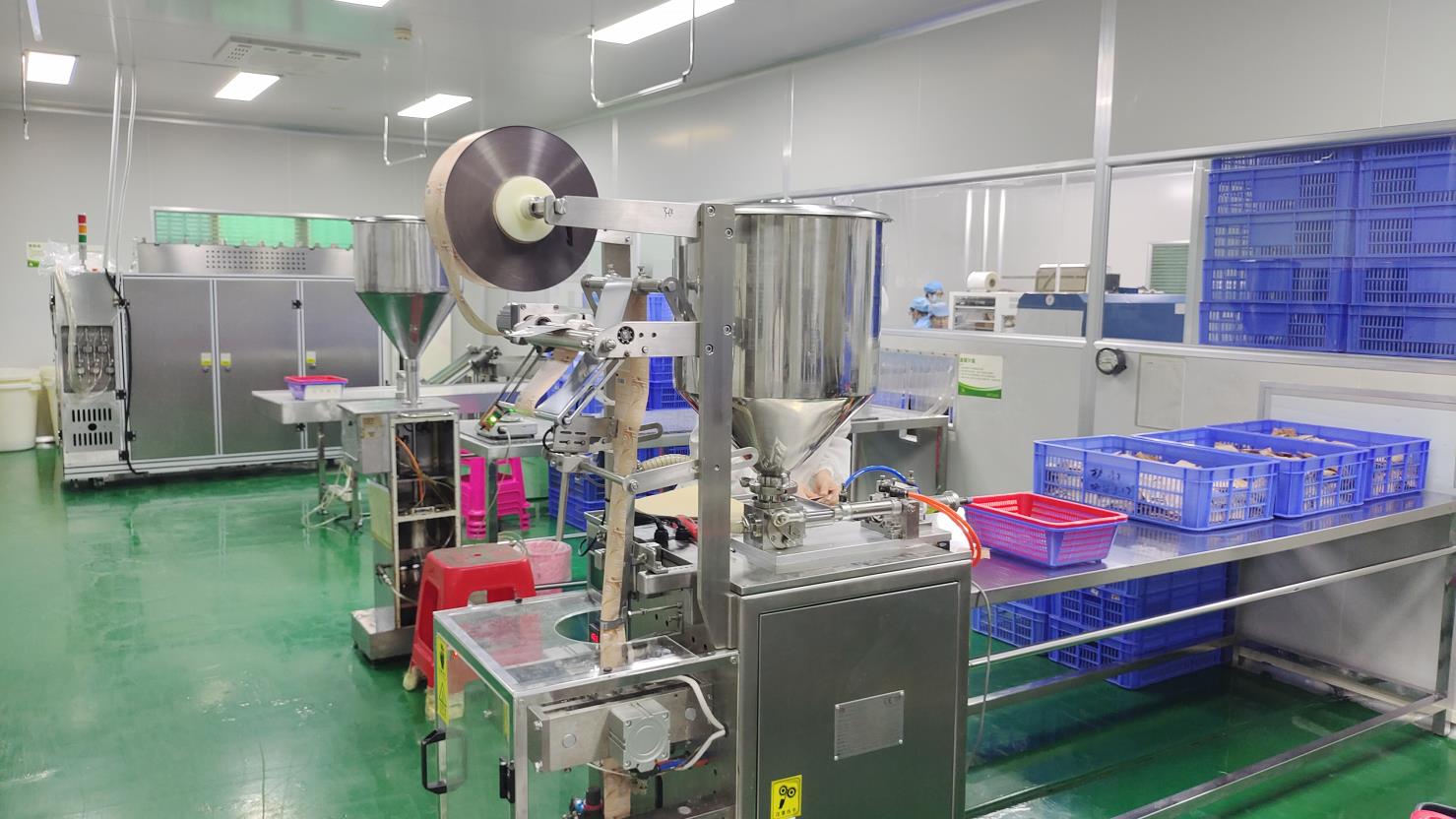
Filling Line
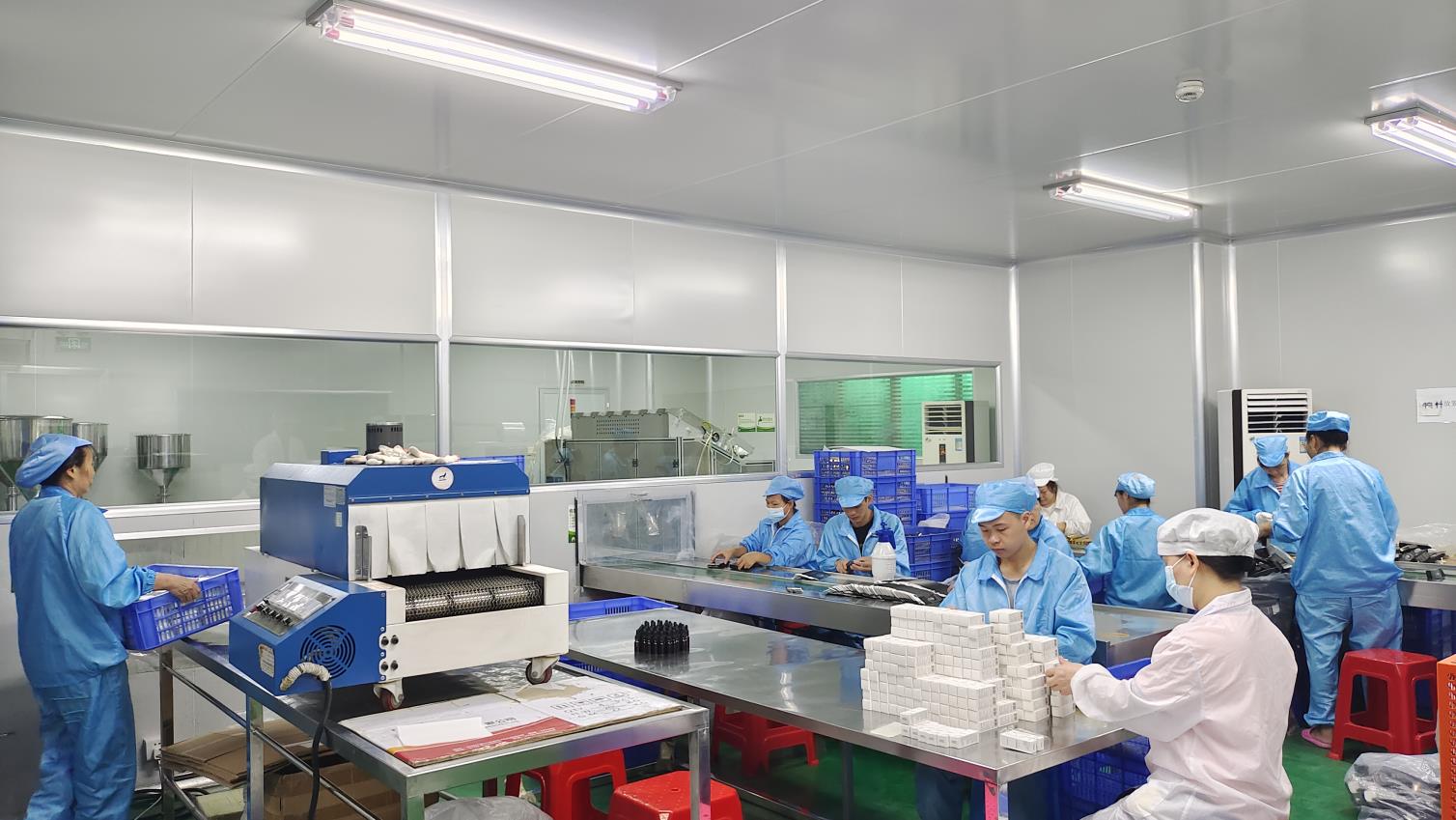
Packaging Process
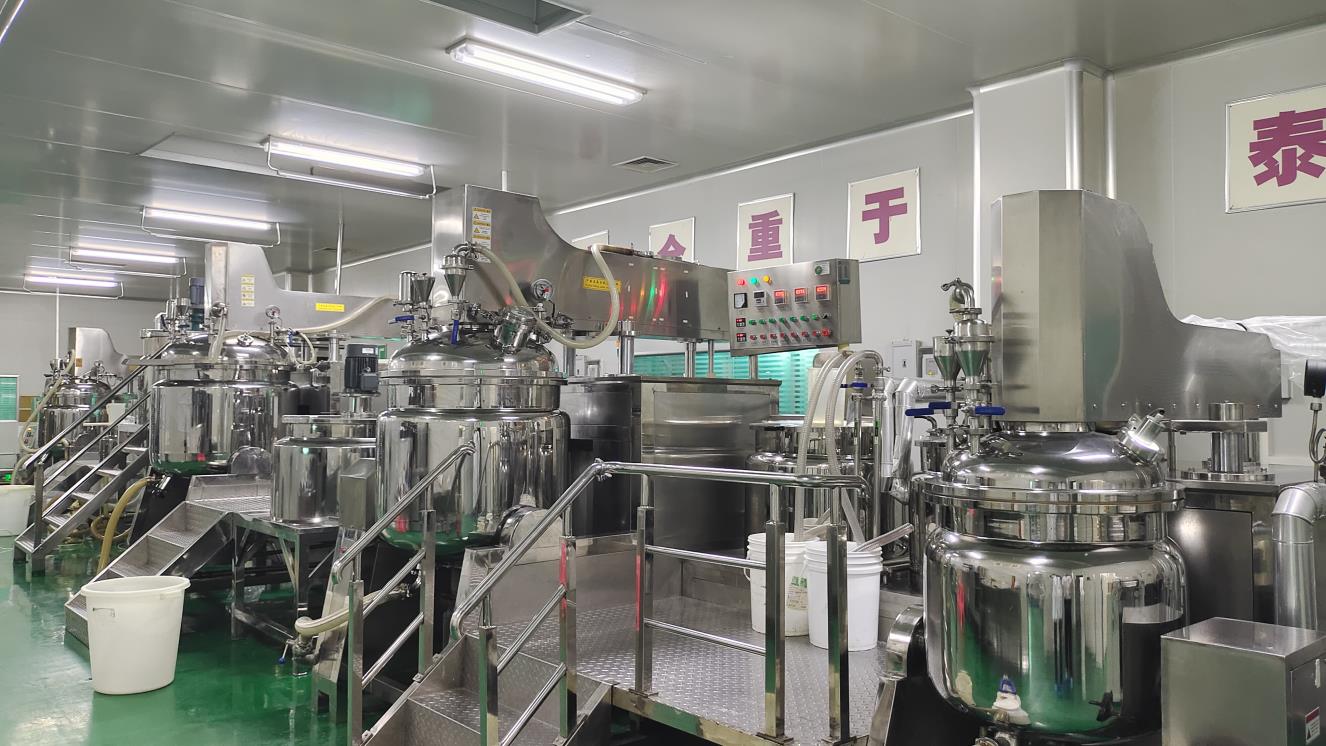
Emulsification Pot
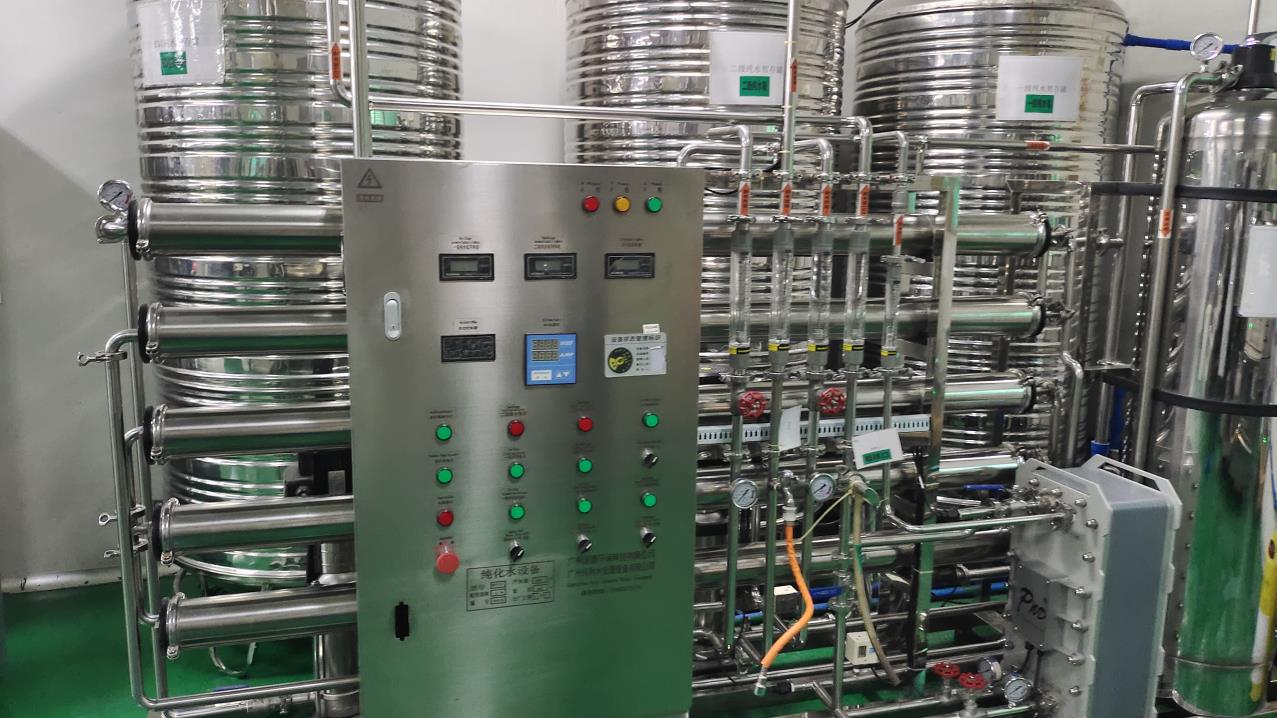
Water Purification Processor
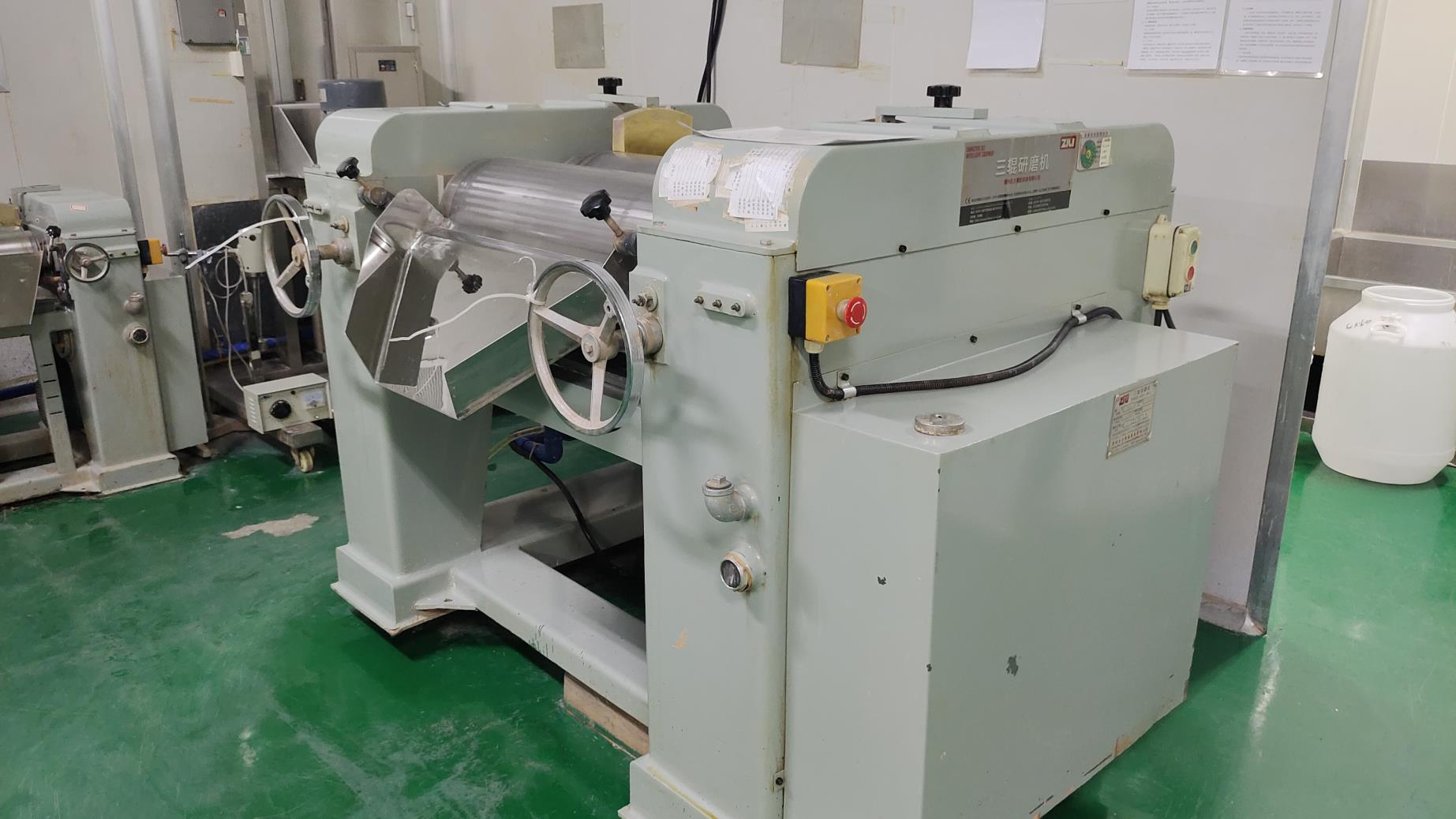
Grinding Machine
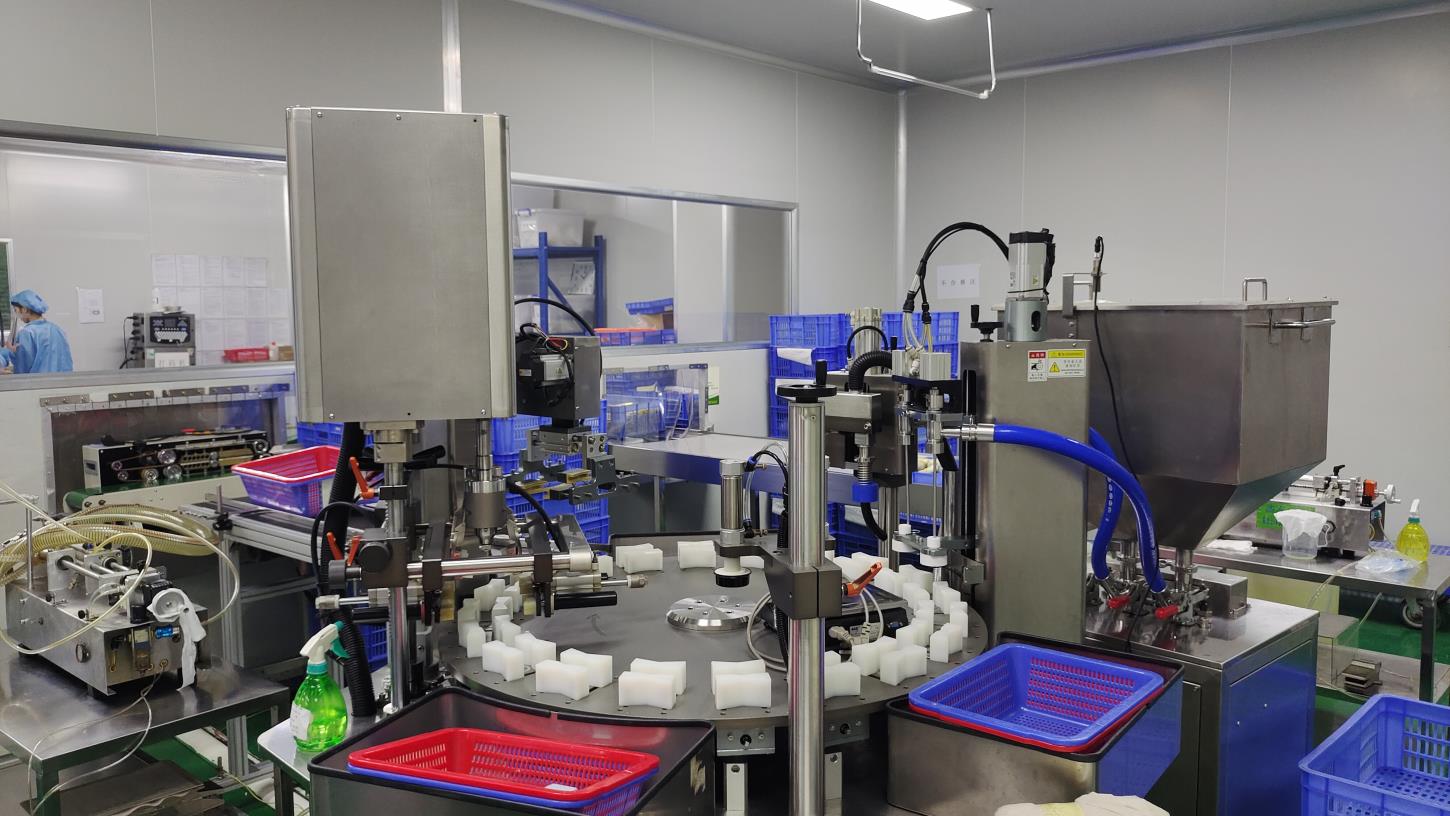
Filling and Capping Machine
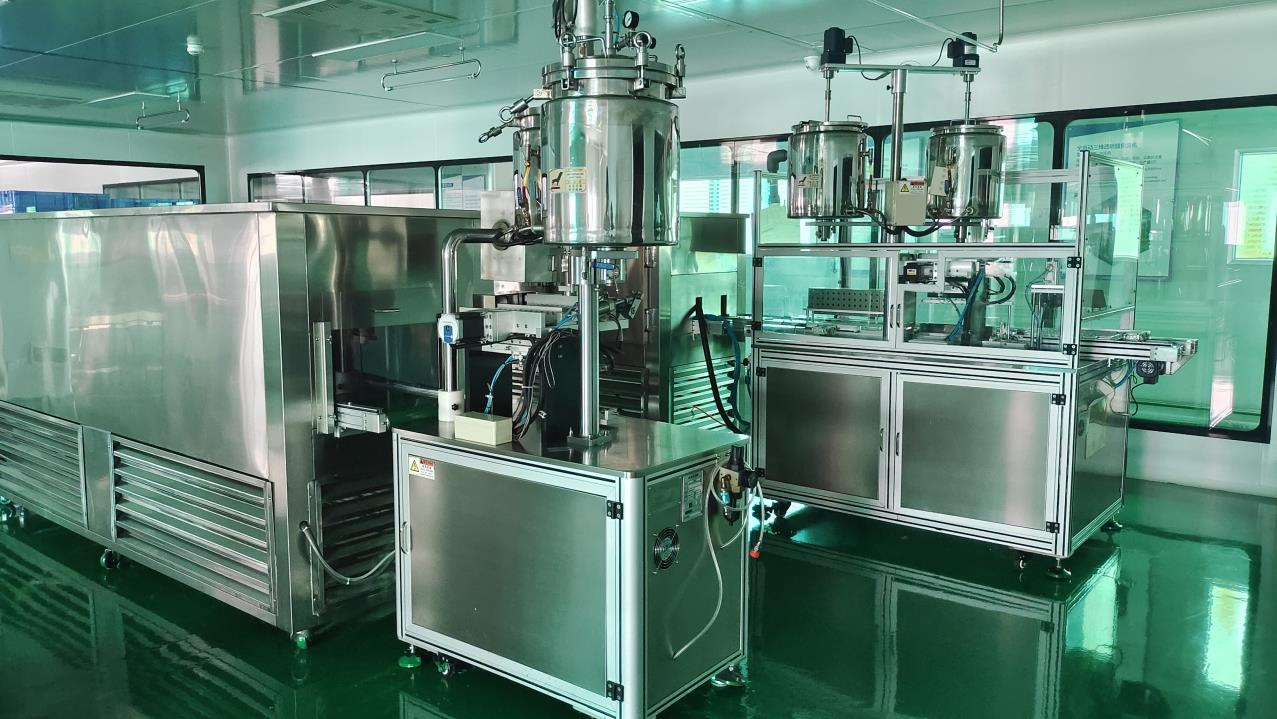
Automatic Filling Machine
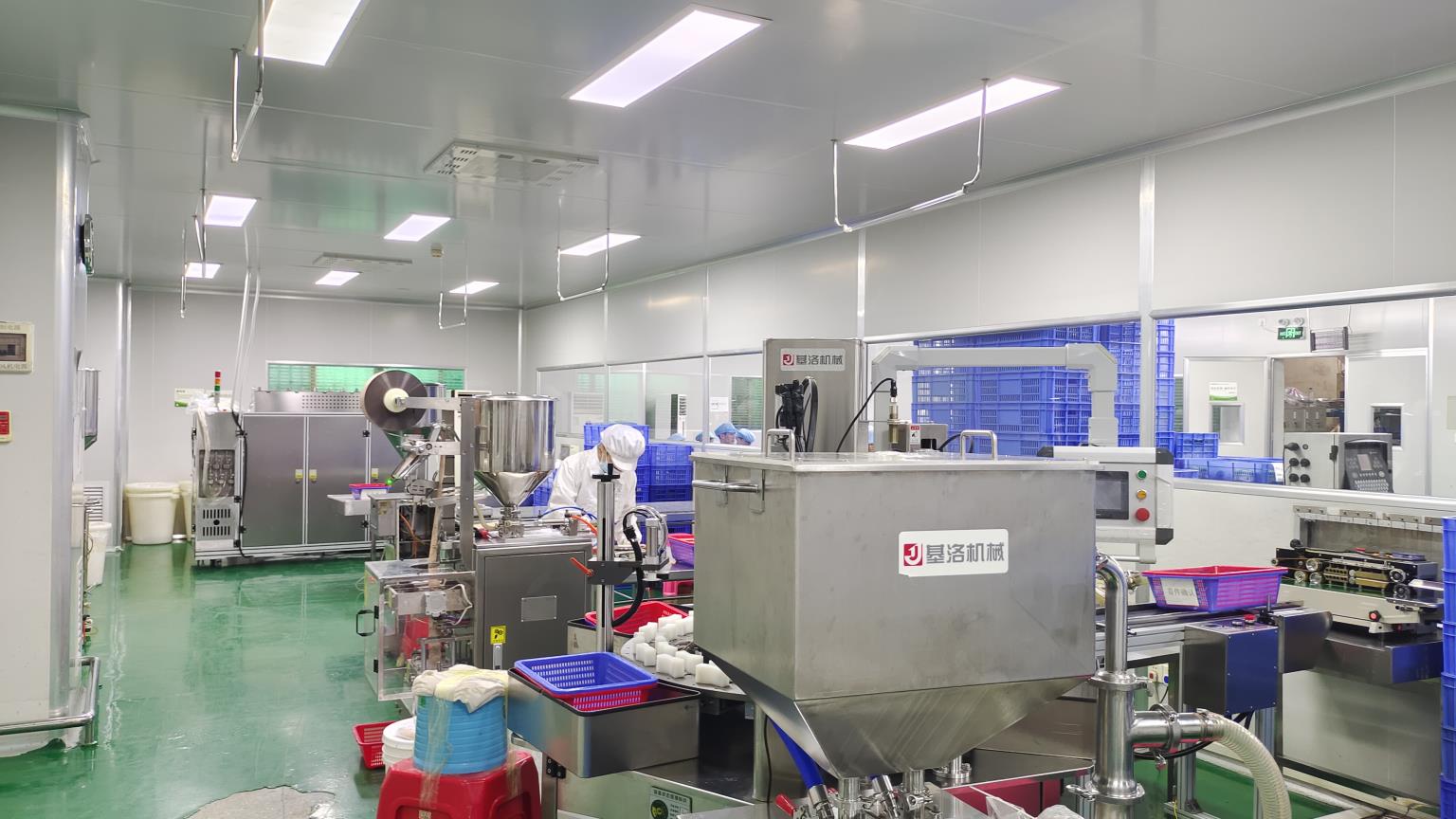
Semi-Automatic Filling Machine
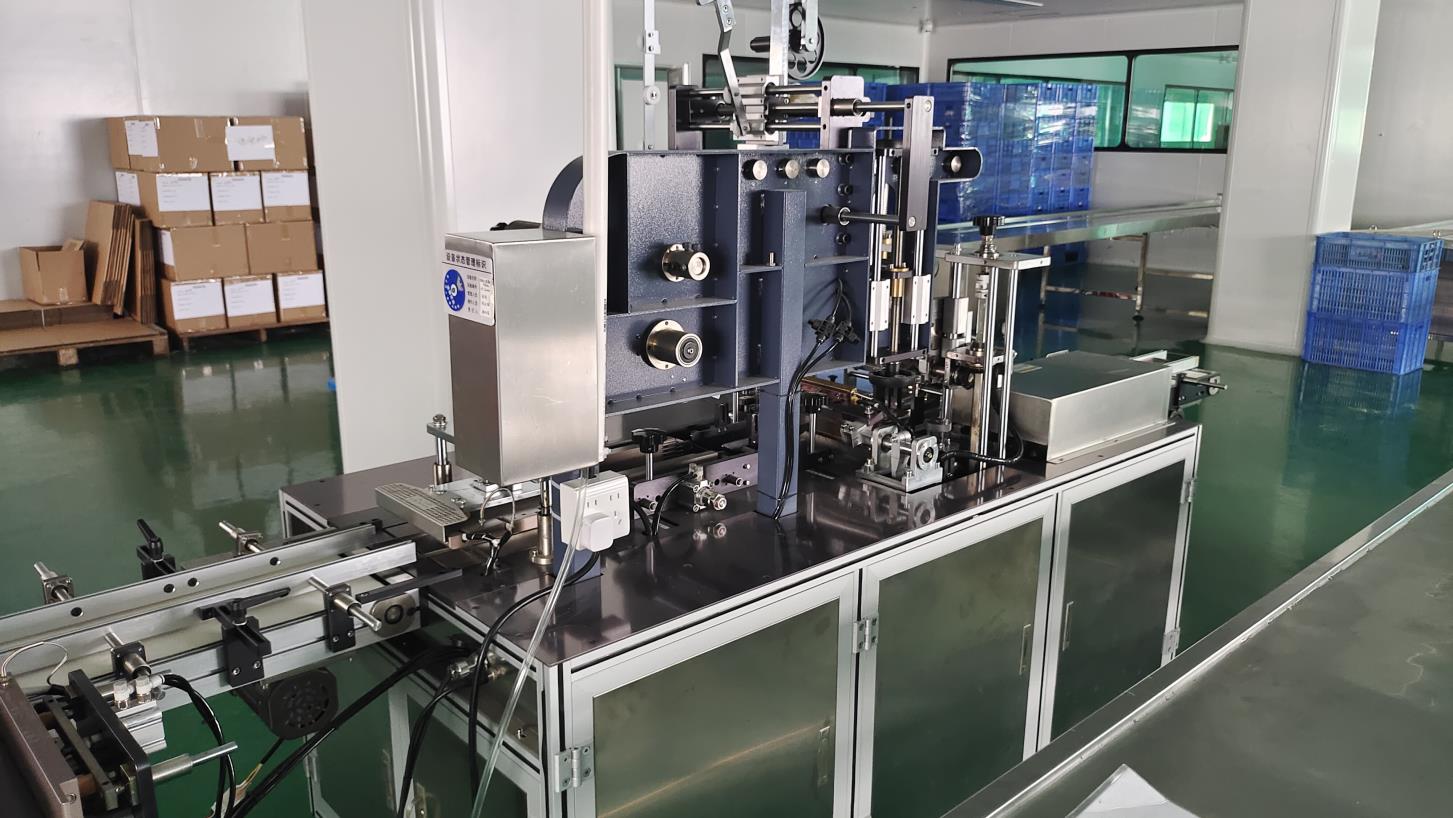
Automatic Packaging Machine
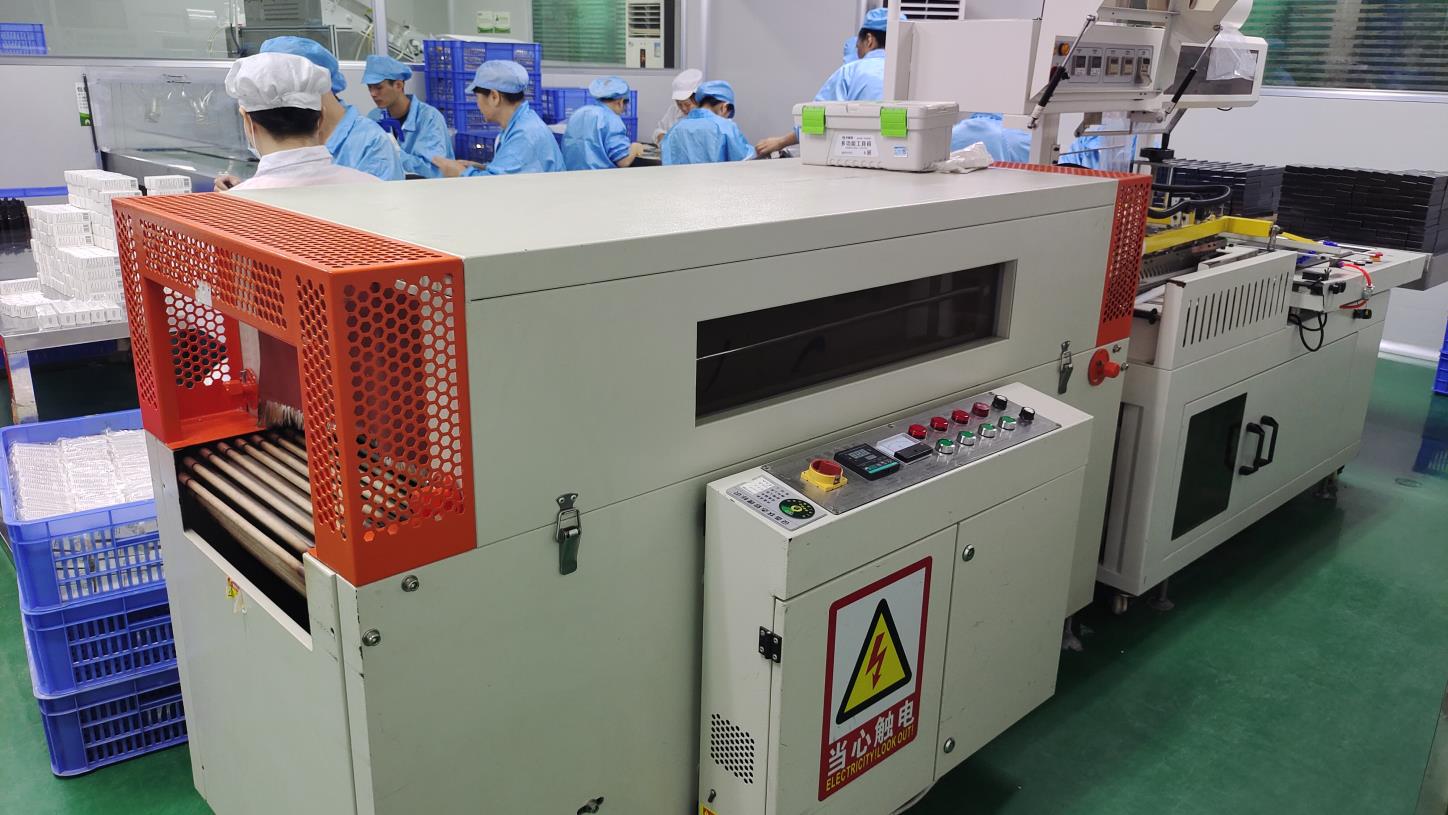
Heat Shrink Packaging Machine
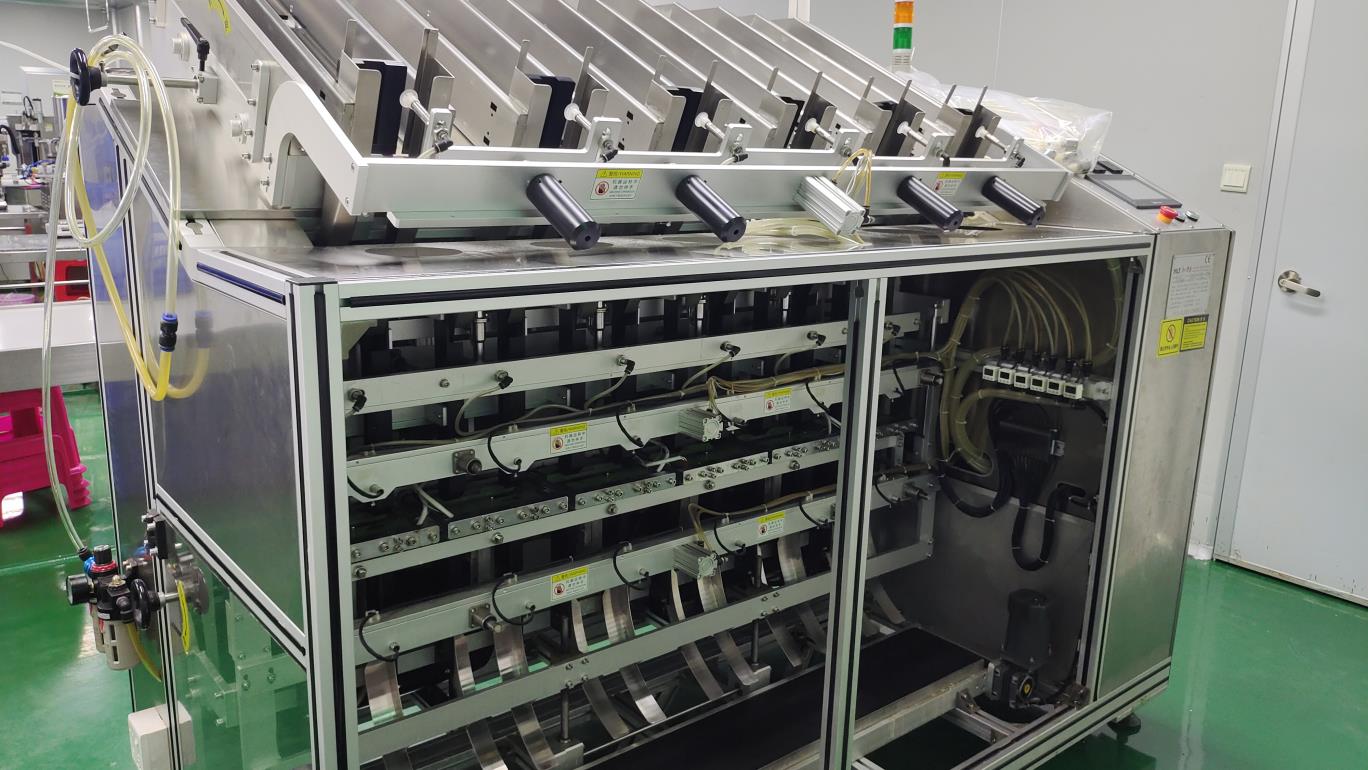
Facial Mask Filling Machine
Addressing the critical scientific, operational, and regulatory questions that global sourcing managers, procurement departments, and brand founders face.
Mineral (physical) sunscreens use active ingredients like Zinc Oxide and Titanium Dioxide to sit on top of the skin and reflect UV rays. They are highly stable and gentle on sensitive skin, but require sophisticated grinding and emulsification to prevent a white cast. Chemical sunscreens absorb UV radiation and convert it into heat using organic compounds (like Avobenzone, Octocrylene, and Homosalate). They offer a completely sheer finish but can cause sensitivity in some users. Hybrid sunscreens combine both types of filters to offer the high cosmetic elegance of chemical UV blockers alongside the broad-spectrum safety profile of mineral blockers.
Efficacy validation is divided into two primary testing methods: in vitro and in vivo. In vitro testing measures UV absorbance through artificial substrates in a controlled lab setting, providing a fast baseline analysis during initial formulation. In vivo testing is performed on human volunteers under standardized UV light exposure, measuring the time it takes for minimal erythema (redness) to appear. The PA rating (Protection Grade of UVA) is determined by measuring persistent pigment darkening (PPD) on human subjects, ensuring certified and reliable protection claims for marketing approval.
For custom sunblock cream formulations, MOQs typically range from 5,000 to 10,000 units per SKU, depending on the complexity of the packaging and formulation. Lead times average 30 to 45 days for bulk formulation and packaging decoration, following initial sample approval. Stock formulations with private label packaging options may support lower MOQs and faster production timelines.
Ensuring active filter stability requires strict formula design and specialized equipment. We use advanced high-shear homogenizers (Emulsification Pots) to ensure that particulate UV filters are evenly dispersed. Chelating agents, stabilizers, and pH adjusters are added to prevent crystallization and ingredient separation, with every batch undergoing temperature stress tests (ranging from 0°C to 48°C) to verify performance.
Buyers should look for factories holding ISO 22716 (Good Manufacturing Practices for Cosmetics) and GMPC certifications. For brands targeting the US market, sunscreen is classified as an over-the-counter (OTC) drug, requiring the manufacturing facility to be registered with the FDA and follow strict OTC monographs. For the European market, ingredients must comply with Annex VI of the EU Cosmetics Regulation, and formulas must be registered on the CPNP (Cosmetic Products Notification Portal).
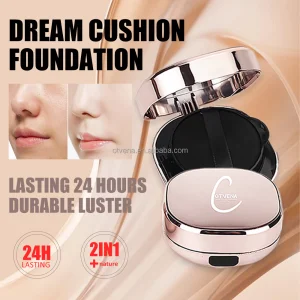
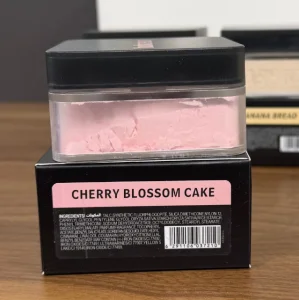
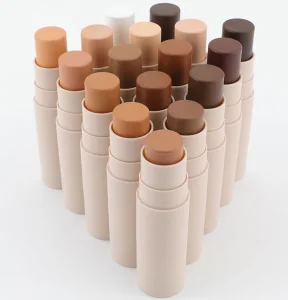
Complete your beauty brand launch with our highly requested private label makeup bases, setting powders, and hydrating foundations.