1. The Global Facial Toner Market & Commercial Landscape
The global skincare industry is undergoing a significant paradigm shift. What was once a basic three-step routine (cleanse, tone, moisturize) has evolved into a highly specialized, multi-functional skincare regimen. At the center of this transformation is the facial toner. Traditionally perceived as an alcohol-based astringent designed to strip excess oil, modern formulation chemistry has redefined toners. Today, they serve as liquid treatments—hydrating hydrosols, micro-exfoliating acid complexes, and prebiotic barrier strengtheners.
Market research indicates that the global facial toner market is projected to reach USD 5.8 billion by 2028, growing at a compound annual growth rate (CAGR) of 5.2%. This growth is fueled by rising consumer awareness of skin barrier health, the expansion of clean beauty, and a surge in demand for active-rich formulations. For global brand owners, procuring toners from leading OEM/ODM factories is no longer just about securing a supplier; it is about establishing a strategic partnership capable of rapid formulation innovation, strict chemical compliance, and unmatched supply chain agility.
"The modern facial toner is a highly sophisticated vehicle for delivering active ingredients. Brands that succeed in today's crowded market are those that partner with factories capable of stabilizing volatile actives like Ascorbic Acid, Niacinamide, and Centella Asiatica extracts in clear aqueous solutions."
$5.8B
Market Value 2028
5.2%
Annual CAGR
40+
Export Destinations
20+ Yrs
Production Heritage
2. Why China's Skincare Supply Chain Leads in Global Efficiency
When selecting a B2B contract manufacturer for facial toners, geographic location plays a critical role in efficiency, cost, and logistics. China, particularly the Baiyun District in Guangzhou, has established itself as the global epicenter for cosmetics and skincare manufacturing. This hub offers unparalleled competitive advantages for international beauty brands:
Integrated Raw Material Sourcing: The concentration of chemical suppliers in Southern China allows factories to source high-grade active ingredients, botanical extracts, and innovative packaging materials at a fraction of the time and cost compared to other manufacturing hubs.
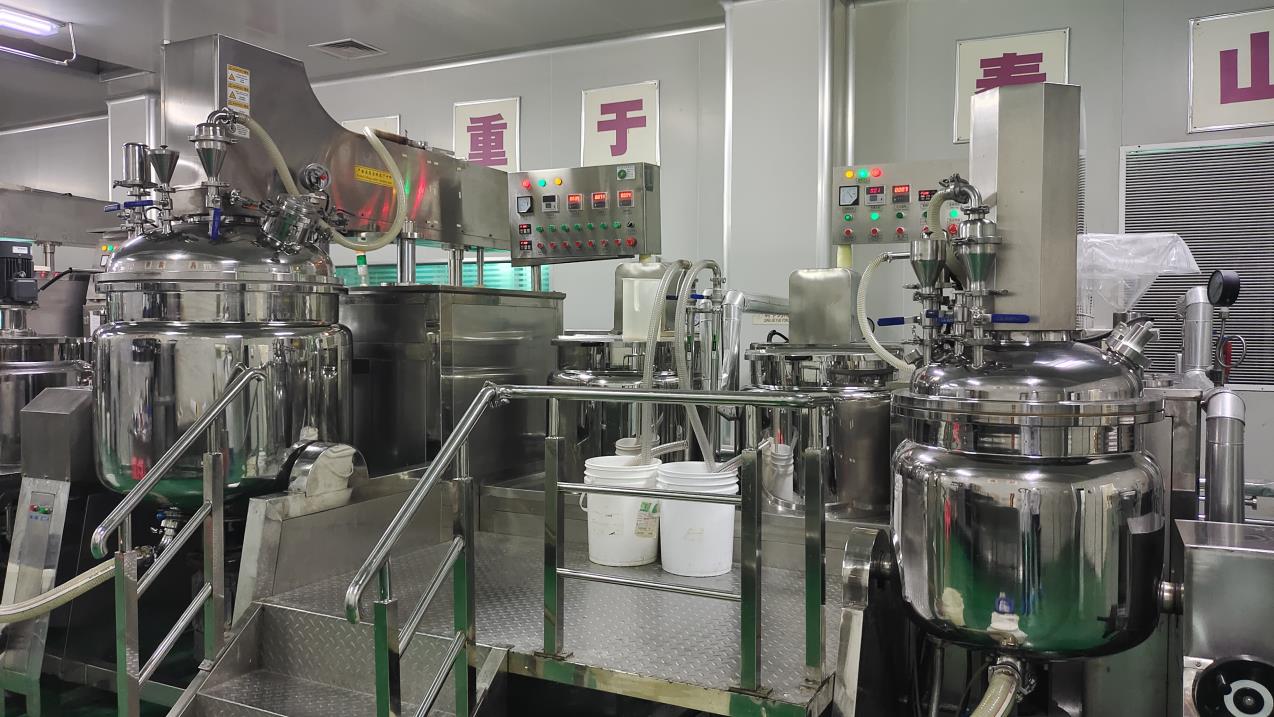
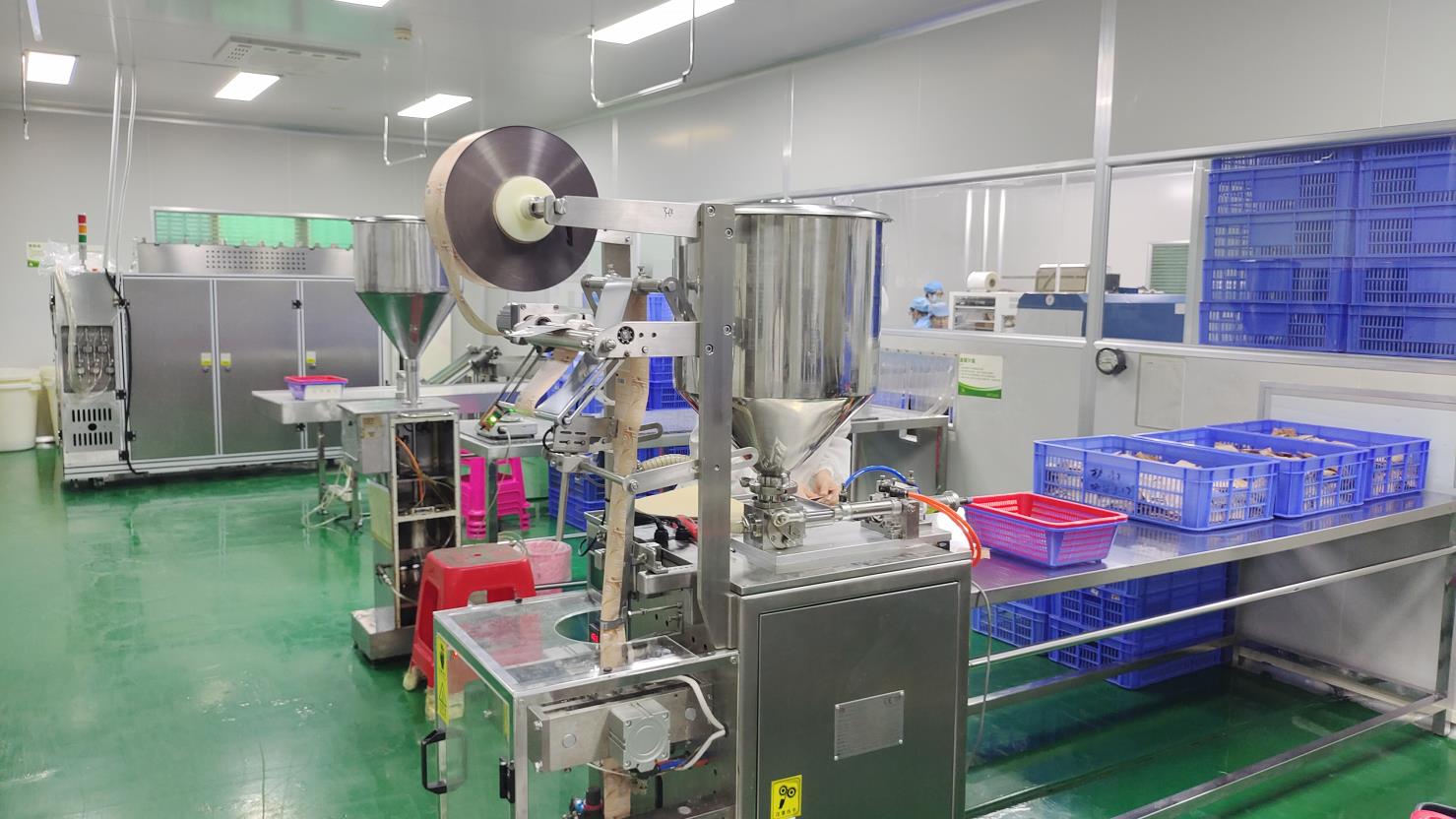
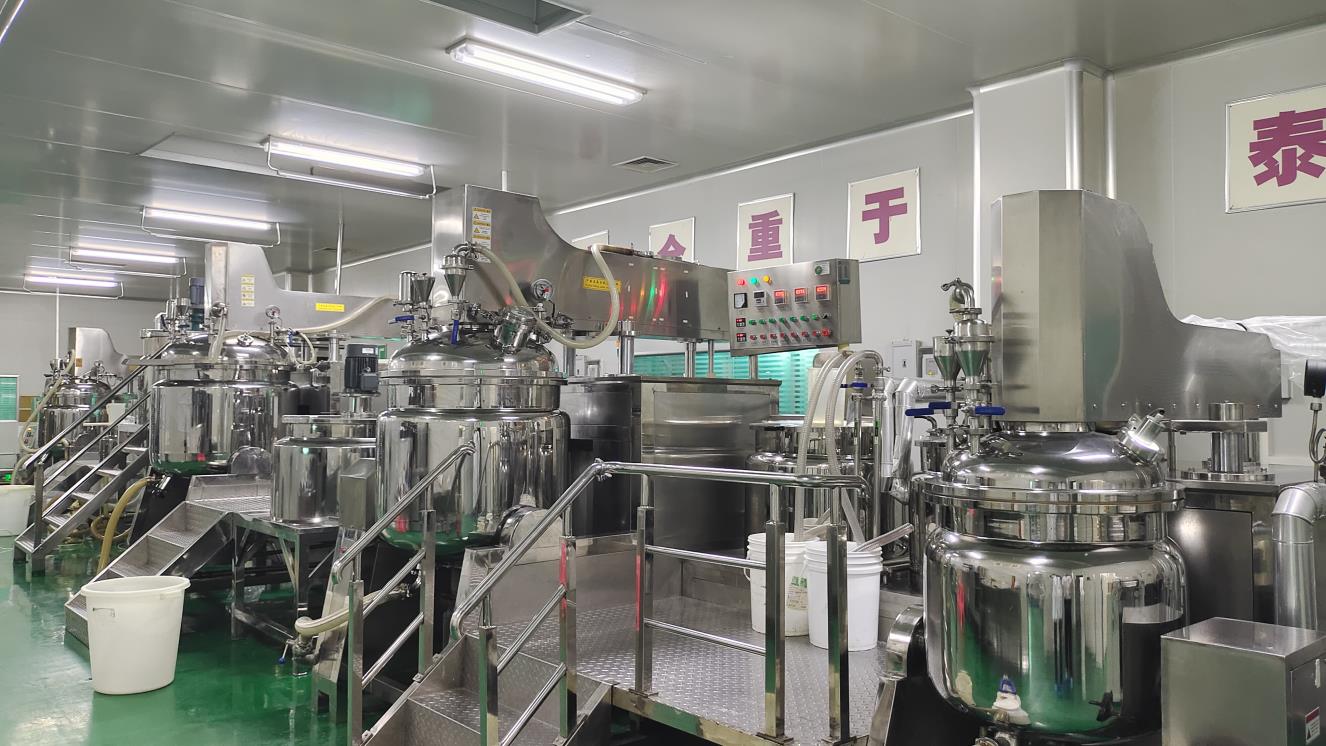
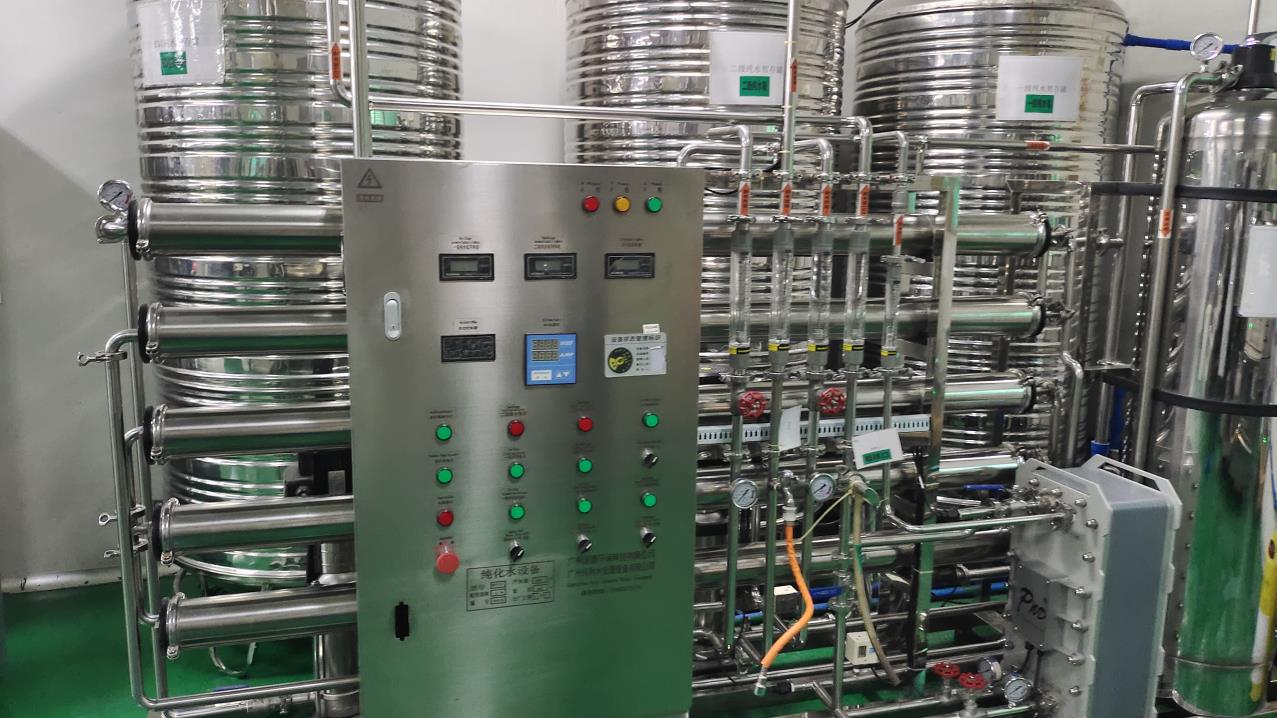
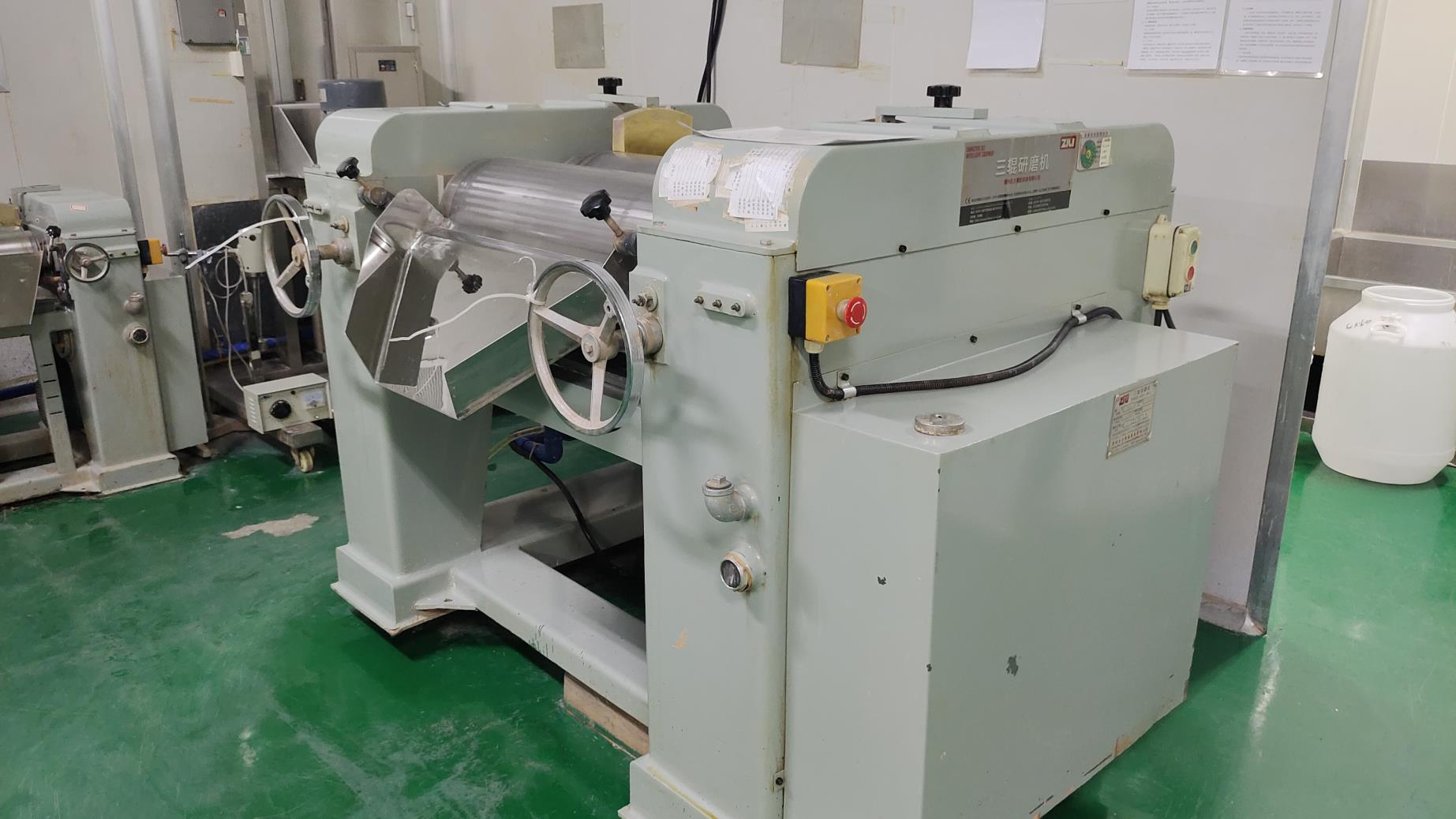
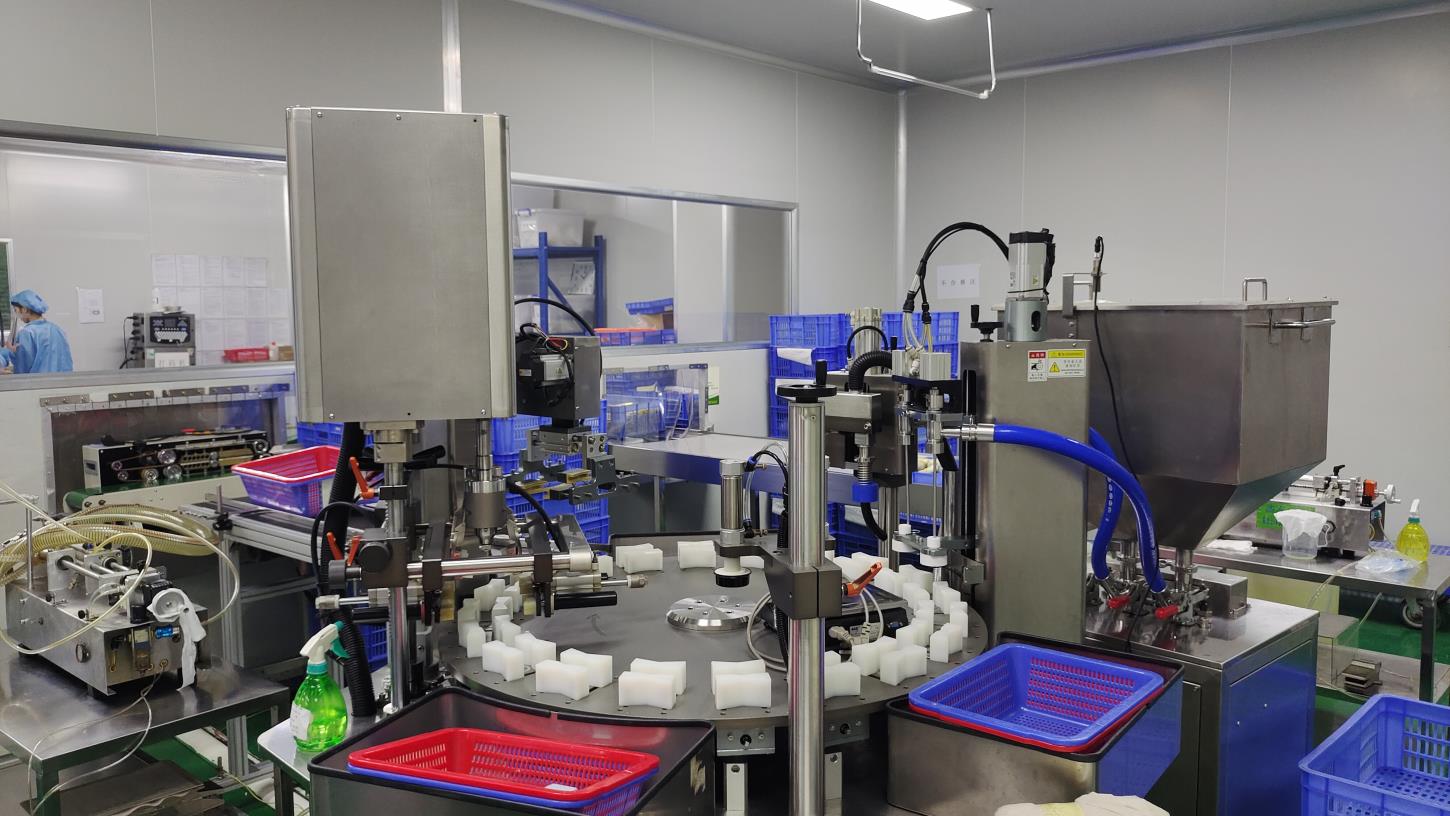
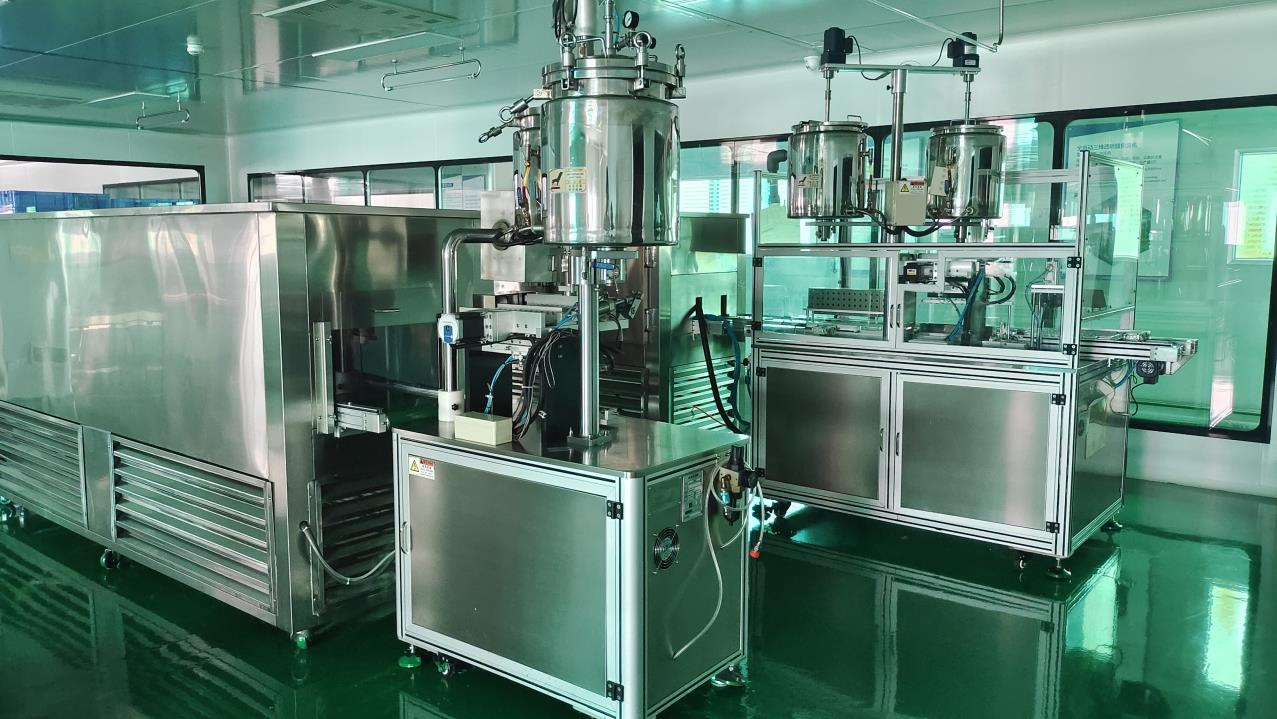
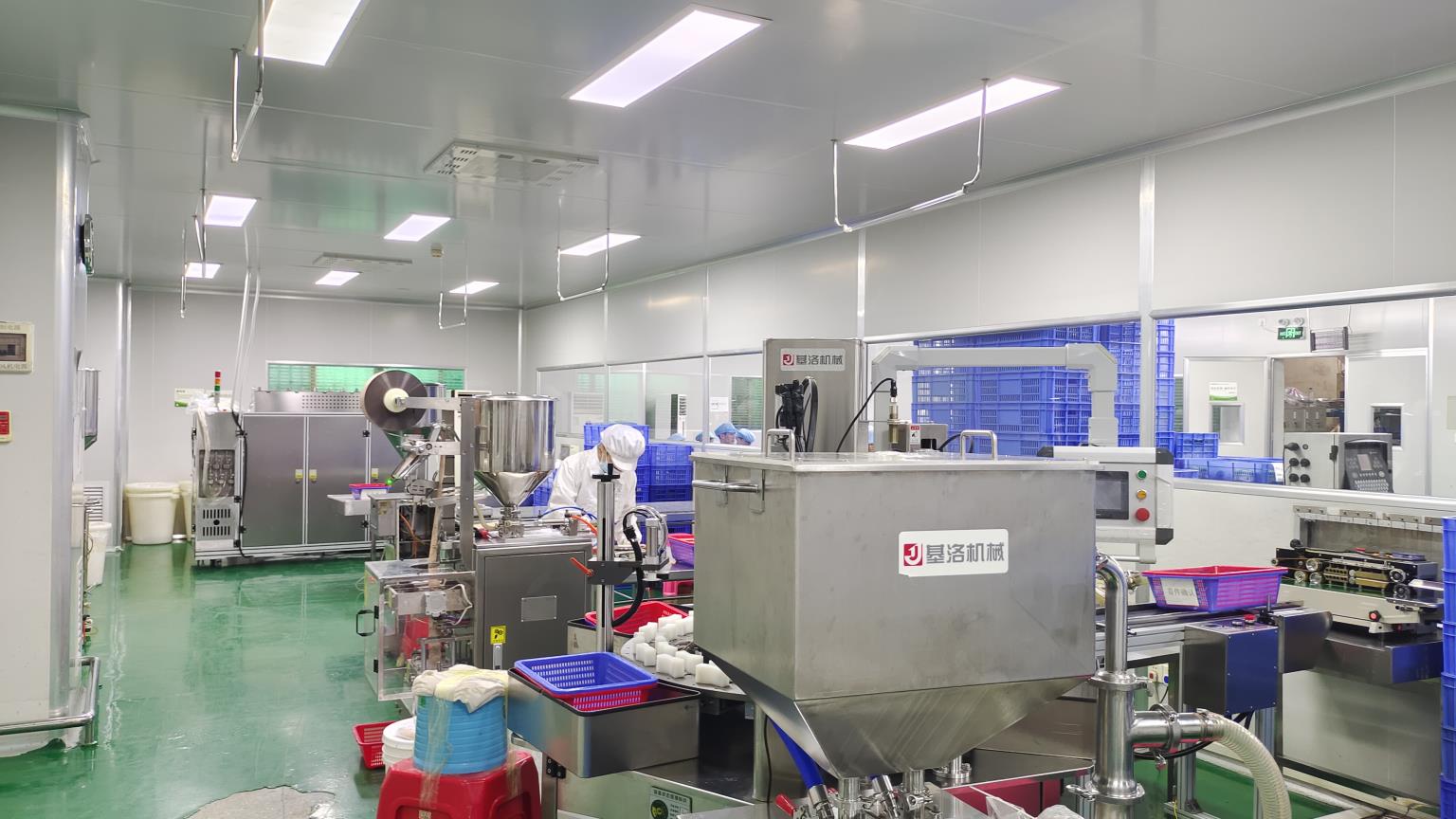
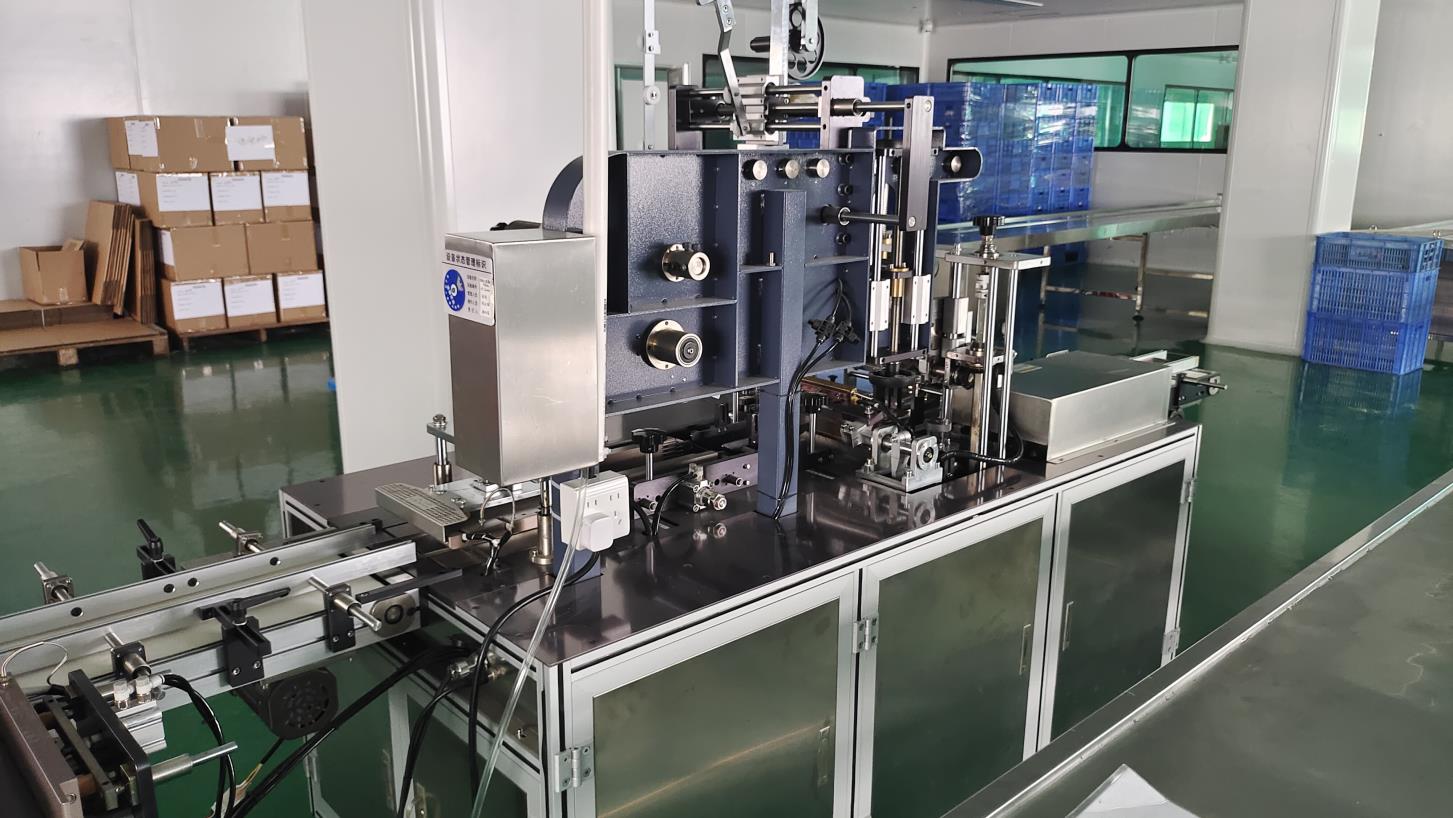
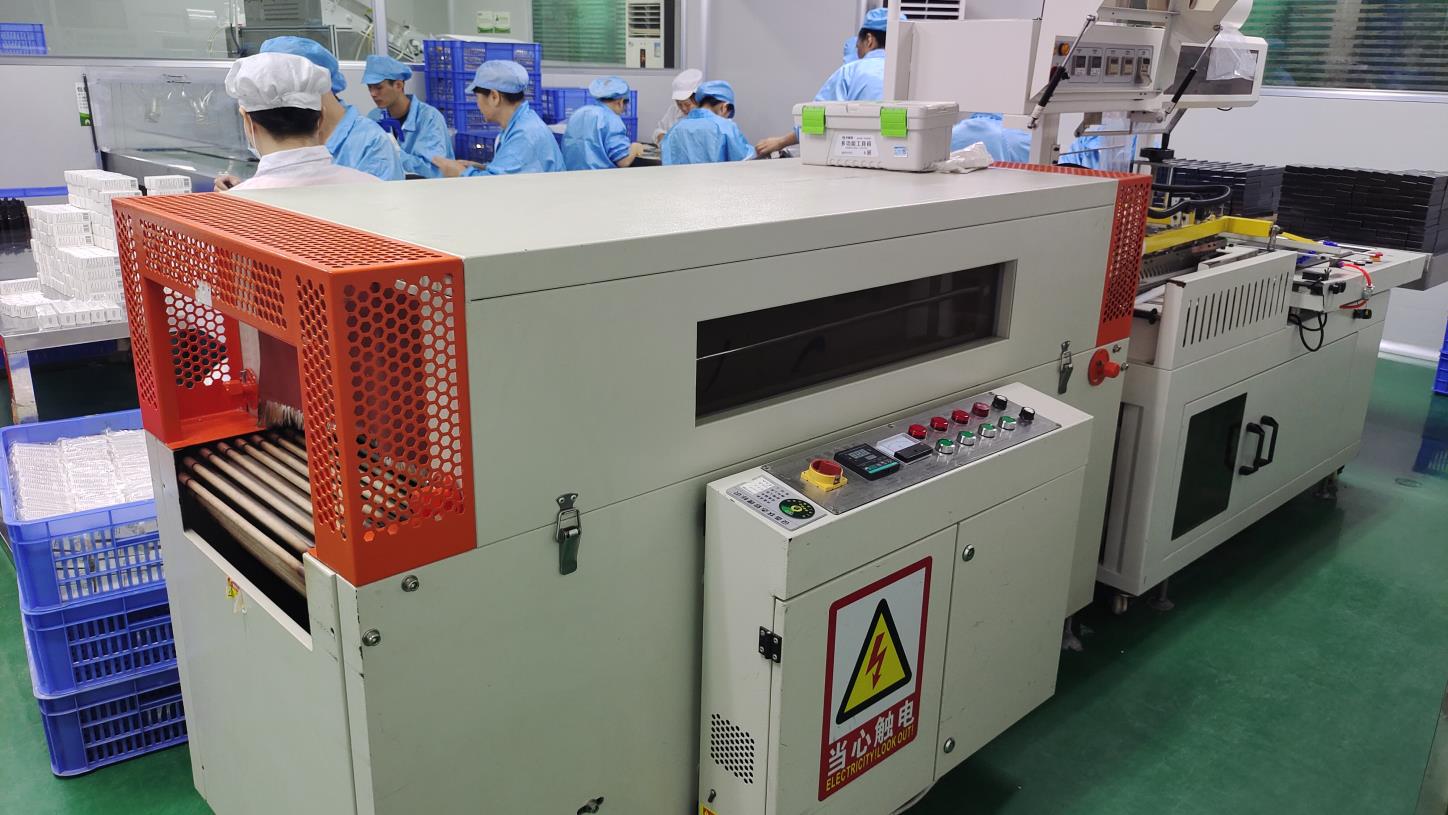
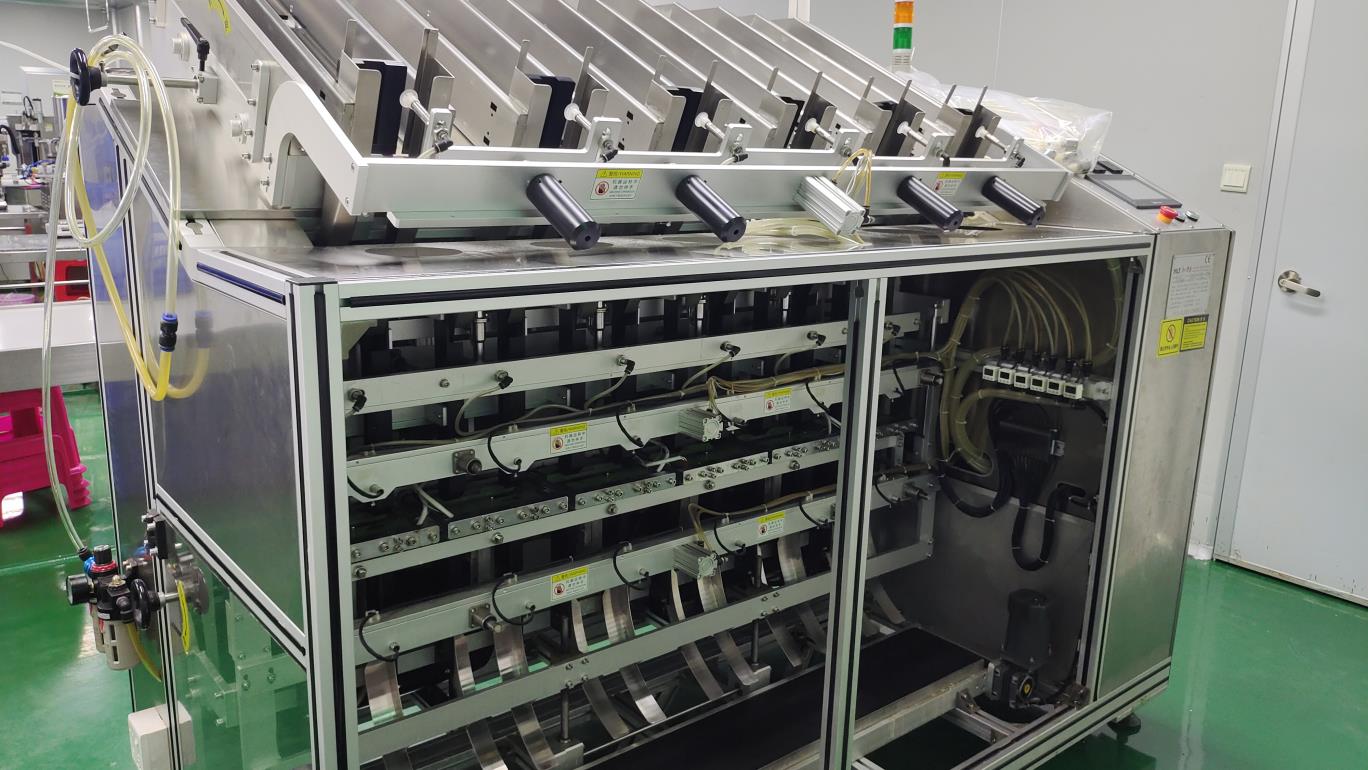
Advanced Automation & Scalability: Chinese factories have heavily invested in high-throughput automatic filling and capping machinery, high-shear emulsification units, and advanced water purification processors. This allows them to scale up production from pilot batches to millions of units seamlessly.
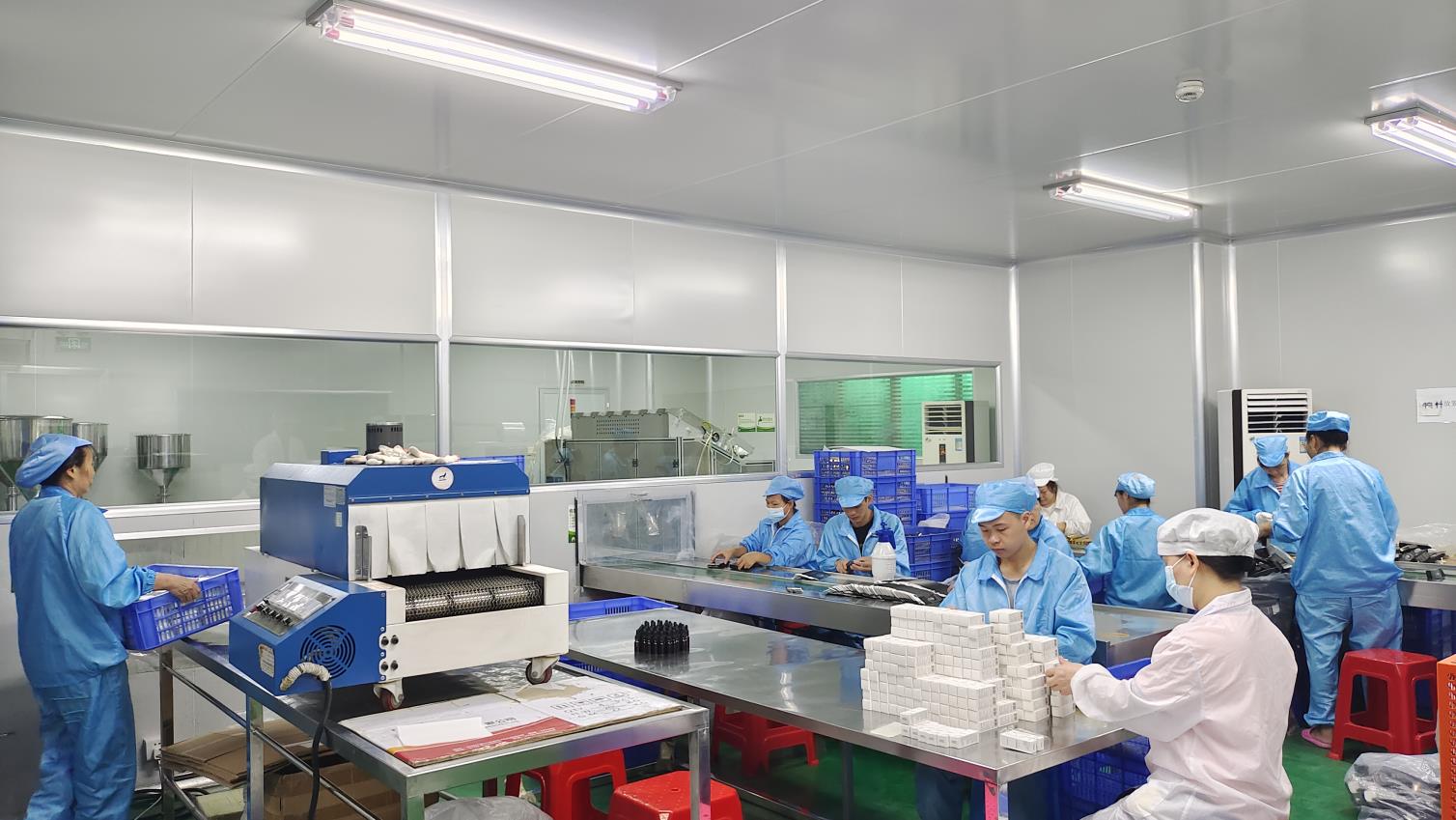
Superior Quality Standards: Leading Chinese manufacturers strictly comply with international standards such as GMPC (Guidelines for Good Manufacturing Practice of Cosmetics) and ISO 22716, ensuring that the formulations meet the regulatory requirements of strict markets like the US FDA and the European Commission.
Region / Hub
Supply Chain Integration
Standard Lead Time
Regulatory Certifications
Cost-to-Quality Ratio
Guangzhou, China (Baiyun District)
High (Complete Ecosystem)
15 - 25 Days
ISO 22716, GMPC, SGS, FDA
Excellent
South Korea (Incheon/Seoul)
Medium-High
30 - 45 Days
K-FDA, ISO 22716
Premium
Western Europe / USA
Medium (Dispersed Supply Chain)
60 - 90 Days
FDA, EU Cosmetics Regs
High Operational Cost
3. Case Study: Guangzhou Fmo Beauty Co., Ltd. – Leading OEM/ODM Innovation
Guangzhou Fmo Beauty Co., Ltd. is a professional OEM & ODM cosmetics manufacturer located in Guangzhou, China, with nearly 20 years of experience in the beauty industry. We specialize in the development, production, and customization of high-quality makeup products, providing one-stop private label solutions for beauty brands worldwide.
Our factory is strategically located in Baiyun District, only 10 minutes from Guangzhou Baiyun International Airport, and operates under strict international quality standards. Equipped with advanced production lines, professional laboratories, and modern testing facilities, we are committed to delivering safe, innovative, and market-driven cosmetic products.
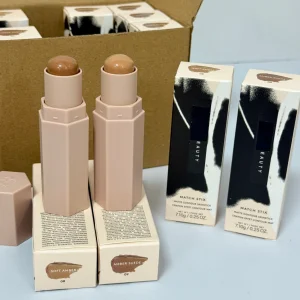
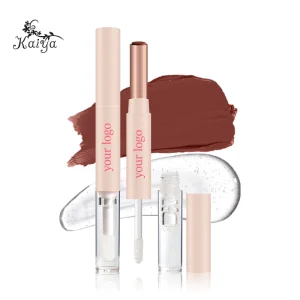
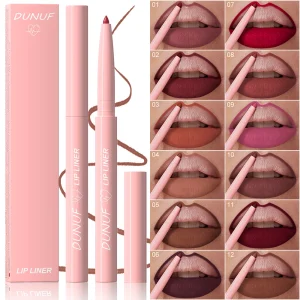
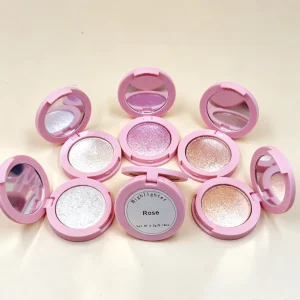
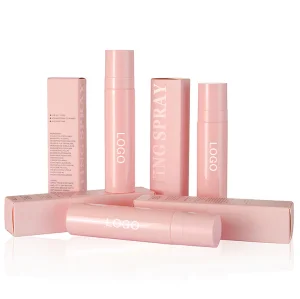
Our product range covers lipstick, lip gloss, lip oil, foundation, concealer, blush, eyeshadow, highlighter, mascara, eyeliner, sunscreen makeup, tanning products, and other color cosmetics. Backed by an experienced R&D team, we continuously develop trend-inspired formulas and offer customized formulations, shades, packaging, and branding solutions to help customers create unique products that stand out in the market.
As a trusted manufacturing partner, we provide complete OEM/ODM services, from product concept development and sample creation to packaging design, mass production, and global logistics support. Our professional sales, quality control, and after-sales teams ensure smooth communication, strict quality management, and efficient project execution throughout the entire cooperation process.
With strong manufacturing capabilities and competitive pricing, Fmo Beauty has successfully served more than 2,000 beauty brands and exported products to over 40 countries and regions, including North America, Europe, Australia, Southeast Asia, and the Middle East. Our commitment to quality, innovation, fast delivery, and customer satisfaction has earned us long-term partnerships with clients around the world.
At Guangzhou Fmo Beauty Co., Ltd., we believe that every successful beauty brand deserves a reliable manufacturing partner. Our mission is to help customers turn ideas into market-ready products and build successful brands through professional service, premium quality, and continuous innovation. We sincerely welcome global partners to work with us and create beauty together.
4. Sourcing & Localized Customization Strategies for Global Markets
Formulating a facial toner is highly dependent on target market demographics, localized climates, and skin types. A product that performs exceptionally well in the humid summers of Tokyo may fall short in the dry winters of London. Strategic procurement requires custom formulation adjustments to match localized consumer expectations:
North America & EU
High demand for clean beauty, organic-certified botanical hydrosols (rose water, witch hazel), and active-driven exfoliating toners containing AHA/BHA/PHA. Strict adherence to vegan, cruelty-free, and clean ingredient list restrictions is crucial.
Asia-Pacific (APAC)
Focuses on intense skin barrier hydration, brightening, and glass-skin textures. Popular ingredients include Centella Asiatica, Galactomyces ferment filtrate, Rice ferment extract, Niacinamide, and Hyaluronic Acid complexes.
Middle East & LatAm
Hot, dry, or humid climates dictate lightweight, oil-controlling, and soothing formulations. Toners targeting sebum control, pore tightening, and redness relief (infused with tea tree extract, salicylic acid, or chamomile) are in high demand.
5. Emerging Industry Trends: The Future of Toner Manufacturing
To secure a competitive advantage in search and market placement, brands must align their product development pipelines with forward-looking industry trends. Here are the three primary vectors driving the future of the facial toner category:
1. Waterless and Concentrated Beauty
In response to global water scarcity concerns and a desire for reduced carbon footprints in shipping, advanced manufacturers are designing concentrated powder-to-liquid formulas or substituting pure water with active botanical juices (e.g., Aloe Vera Juice, Bamboo Sap). This not only reduces shipping weight but also elevates the product's concentration of active components.
2. Microbiome-Friendly Formulations
A healthy skin microbiome is the key to preventing acne, sensitivity, and premature aging. Modern toner formulas are increasingly incorporating prebiotics, probiotics, and postbiotics to restore and maintain the skin's natural bacterial balance. This trend requires factories to employ specialized microbial protection and preservation testing to ensure formulation stability over its shelf life.
3. Hybridization of Treatment Essences
The boundary between traditional toners, treatment essences, and serums is blurring. Modern toners are designed as "milky toners" or "essence waters" that combine the lightweight feel of a toner with the deep, lipid-replenishing nourishment of an emulsion. Manufacturing these hybrid systems requires advanced high-shear emulsification equipment to ensure stable dispersion of micro-droplets without phase separation.
Expert Q&A: B2B Sourcing of Facial Toners
In-depth insights to guide your procurement decisions and formulation strategies
What is the standard Minimum Order Quantity (MOQ) for OEM facial toner production?
For typical private label and OEM toner production, standard MOQs run between 3,000 to 5,000 bottles. This threshold is dictated by the capacity of automatic filling lines and the minimum batch size of emulsification pots. Smaller pilot runs of 1,000 units are sometimes supported by manufacturers utilizing semi-automatic filling machines, though per-unit costs are higher due to setup configurations.
How do factories ensure active ingredient stability in water-based toner solutions?
Top factories stabilize volatile or oxygen-sensitive ingredients (like Vitamin C, Retinol, or specific Peptides) through advanced formulation techniques. These include micro-encapsulation, the addition of synergistic chelating agents, and pH optimization. Additionally, manufacturing runs require precise temperature controls within the emulsification pot, nitrogen purging during the filling process, and the use of UV-blocking or airless packaging systems to prevent degradation.
What testing certifications should global brands verify prior to bulk importation?
To ensure compliance with global customs and health regulations, brand owners should request and verify ISO 22716 certification, GMPC certification, a Certificate of Analysis (COA) for each product batch, and a Material Safety Data Sheet (MSDS). Additionally, formulas must undergo heavy metal screening, microbiological challenge tests, and stability testing across a range of temperatures (freeze-thaw cycle testing) to guarantee a stable 2-to-3-year shelf life.
What is the typical shipping and customs lead time from Guangzhou Baiyun to major Western ports?
Guangzhou's logistics network offers dual advantages. For urgent inventory restocks, air freight from Guangzhou Baiyun International Airport (CAN) reaches North American or European hubs in 3 to 7 days. For bulk, cost-efficient shipping, ocean freight via the Port of Guangzhou or Shenzhen takes approximately 18 to 25 days to the US West Coast, and 30 to 45 days to the US East Coast or Northern European ports, including customs clearance windows.
Innovative Formulas & Color Cosmetics
Premium Grade Ingredients and Custom Formulation Solutions for Global Brands
 Fmo Beauty