Fmo Beauty
Fmo Beauty
Fmo Beauty
The global body lotion market is undergoing a seismic shift. No longer limited to basic hydration, modern consumer intent has gravitated toward skin barrier health, microbiomic balance, and targeted dermatological solutions. Today's global brands require body lotion manufacturers that can deliver high-performance formulations backed by rigorous scientific proof, ethical sourcing, and cost-effective scalability.
In this whitepaper, we dissect the critical success factors for identifying and partnering with the world's top body lotion factories and exporters. We highlight the emergence of China's Factory 4.0 ecosystem, which combines structural cost efficiency with automated agility, and showcase how global enterprises can achieve information gain and supply chain resilience in a competitive regulatory landscape.
As body care transitions into "skinification" (treating body skin with the same level of active ingredients as facial skin), procurement directors are facing evolving demands. Sourcing teams from North America, the EU, and the Middle East are shifting their strategies:
Buyers are actively searching for body lotions containing Ceramide NP, Hyaluronic Acid, Niacinamide, Retinol, and Alpha Hydroxy Acids (AHAs). Manufacturers must possess the technical capacity to stabilize these active ingredients within oil-in-water (O/W) and water-in-oil (W/O) emulsions.
Global regulatory compliance (FDA, EU Cosmetics Regulation 1223/2009, and ASEAN Cosmetics Directive) has become non-negotiable. Top exporters must prove their raw materials are cruelty-free, vegan-certified, and free from microplastics, parabens, and synthetic phthalates.
Furthermore, B2B buyers look for advanced texture-engineering capabilities, such as quick-absorbing, non-greasy, and breathable barrier formulas that appeal to diverse consumer demographics across varying climatic conditions.
In the current geopolitical and macroeconomic climate, supply chain agility is a critical differentiator. Chinese beauty manufacturing clusters, specifically in the Guangzhou Baiyun District, have matured into highly integrated Factory 4.0 ecosystems.
This geographical and technological consolidation offers three major structural advantages:
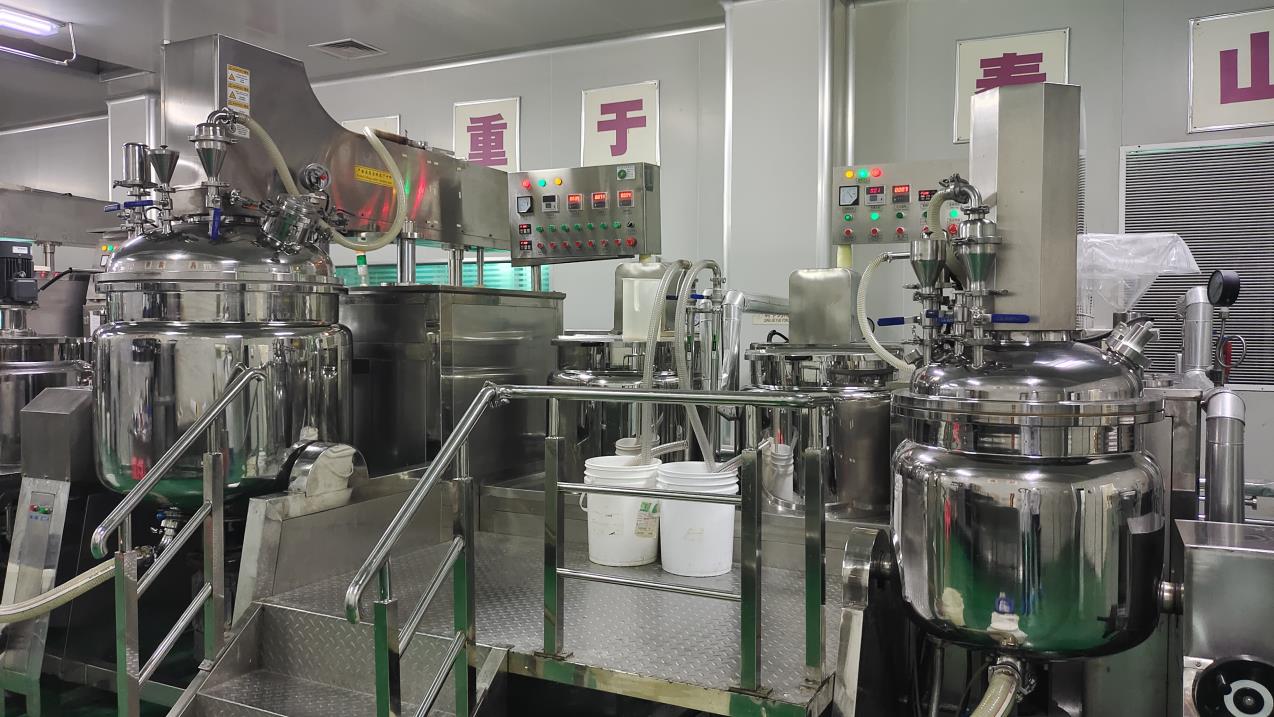
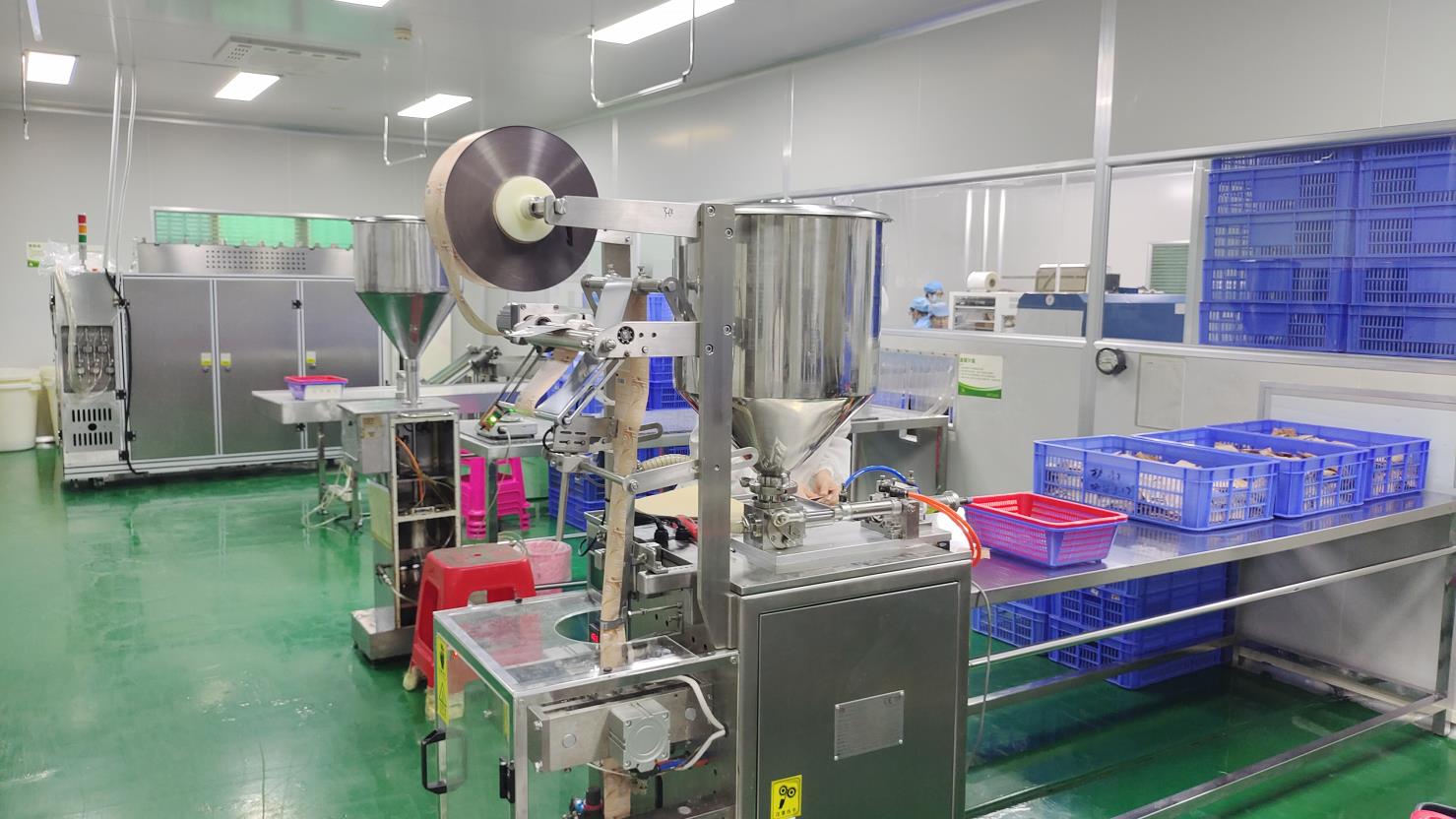
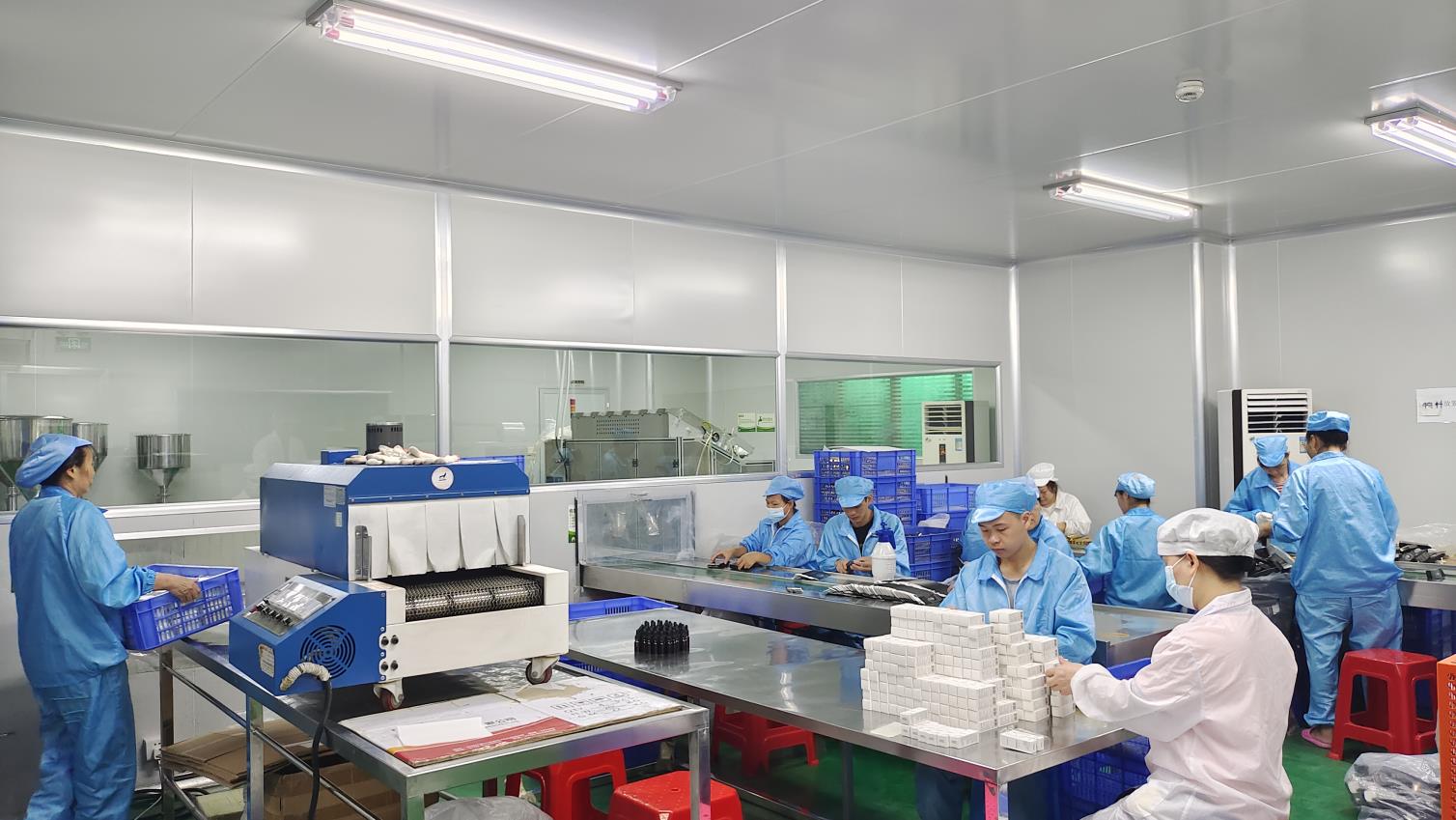
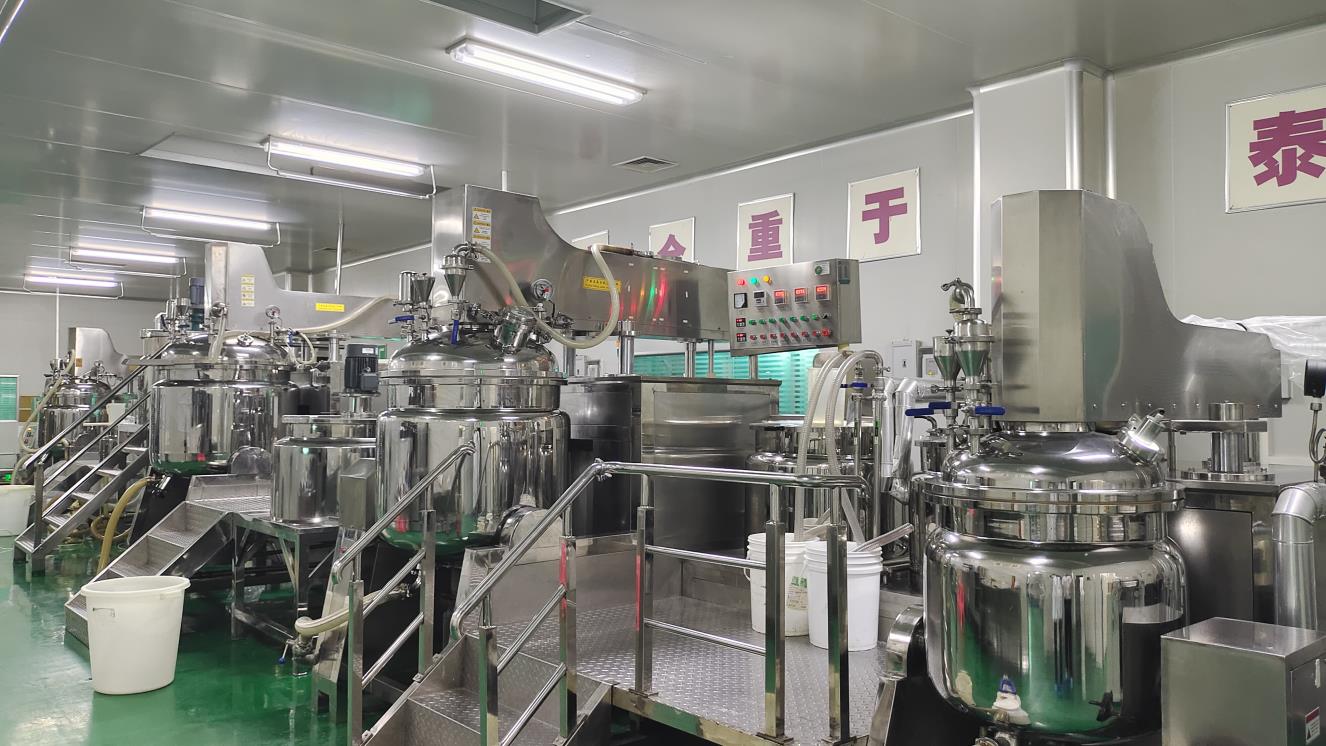
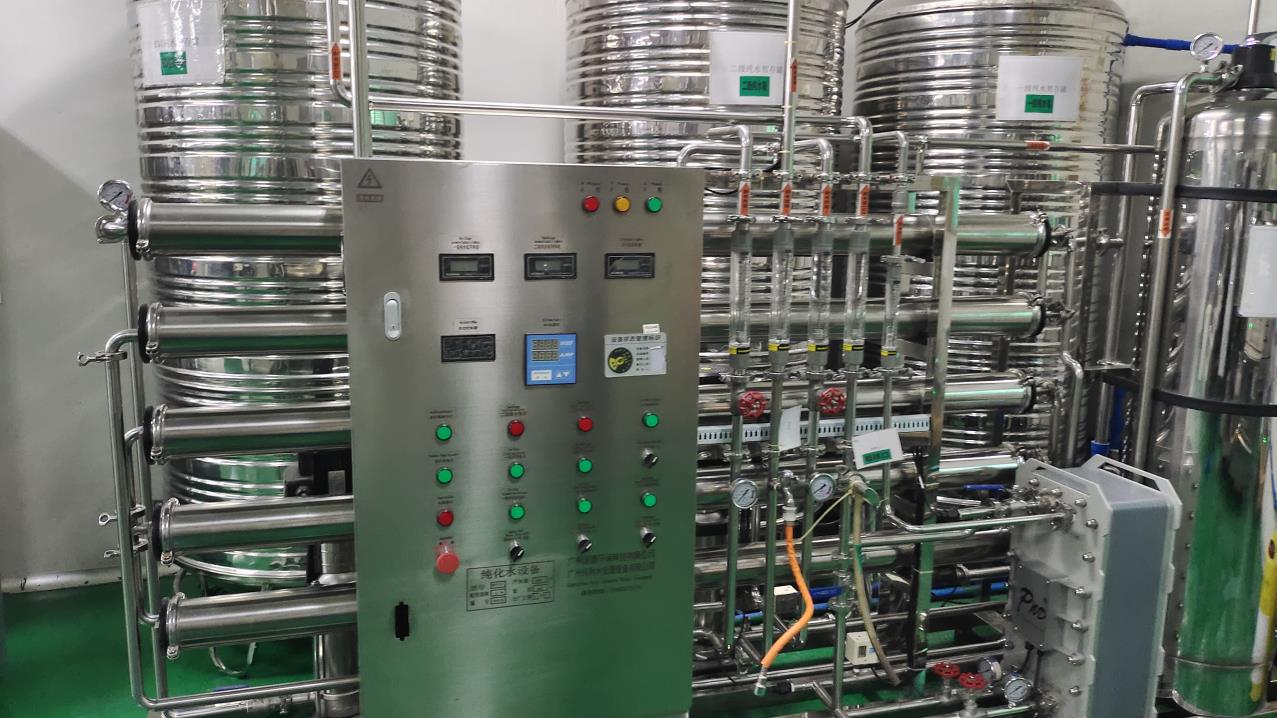
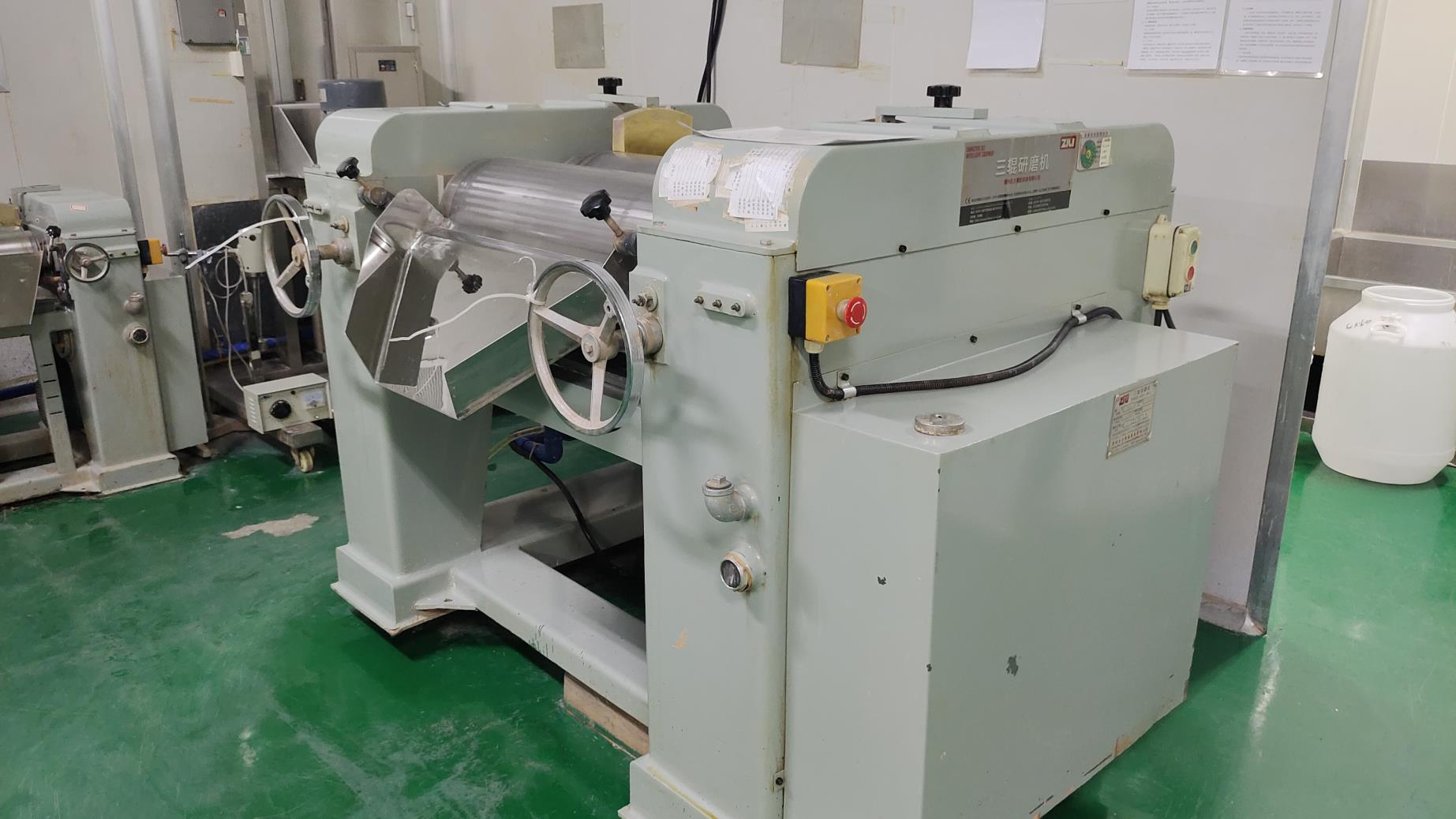
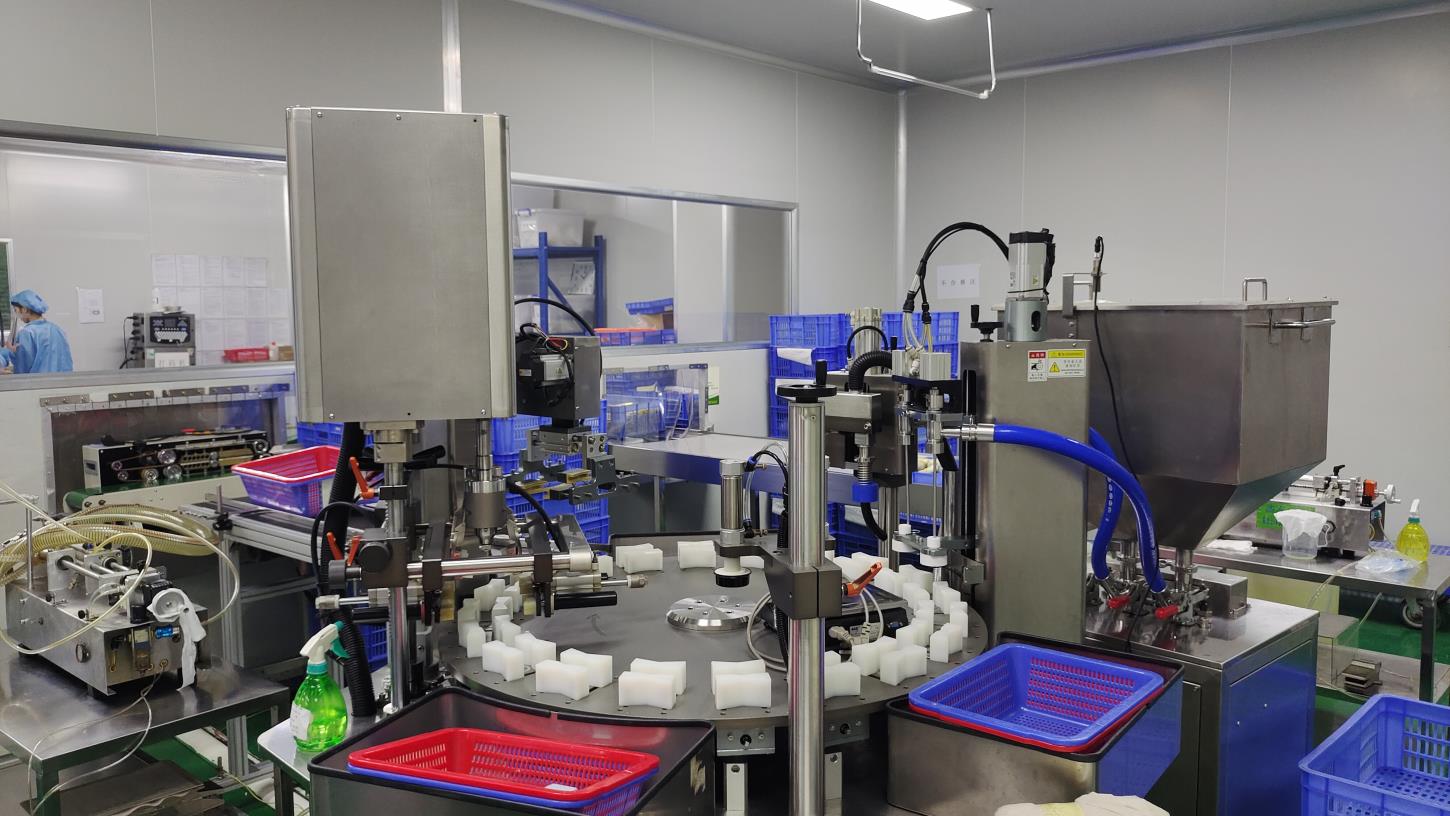
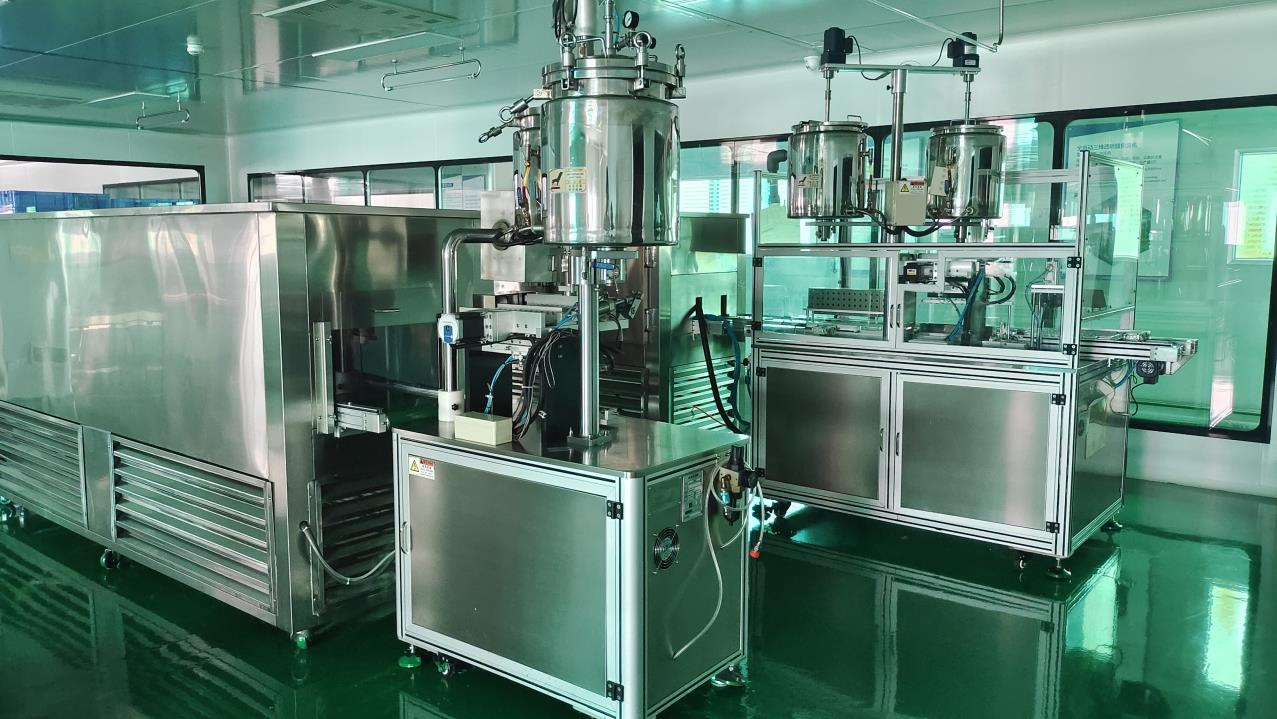
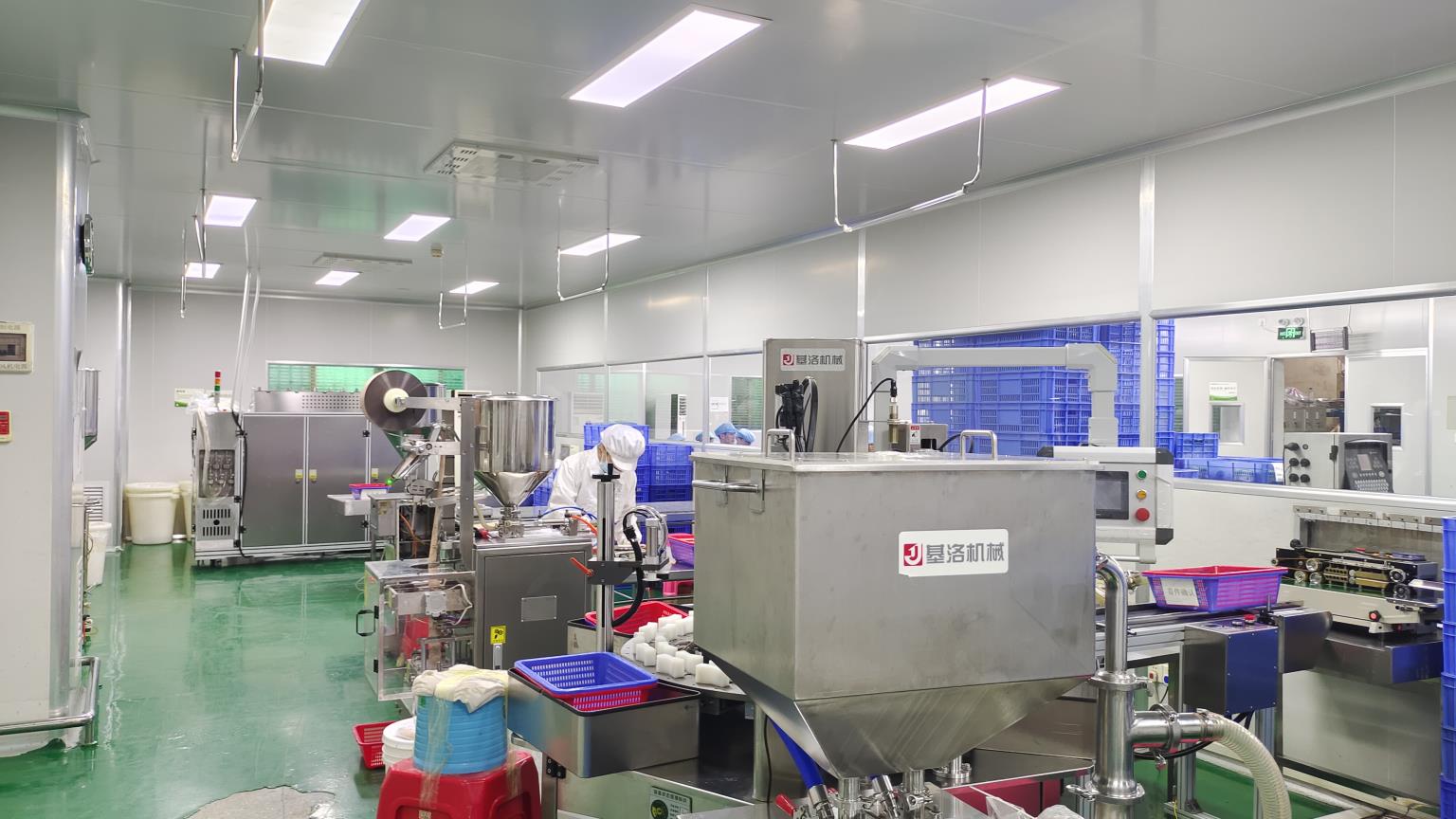
At Guangzhou Fmo Beauty Co., Ltd., we combine scientific precision with heavy-duty cosmetic processing equipment. Below is a detailed view of our operational infrastructure, highlighting our key manufacturing capabilities including precision Emulsification, specialized Pot networks, high-output Filling, and automated Packaging systems.
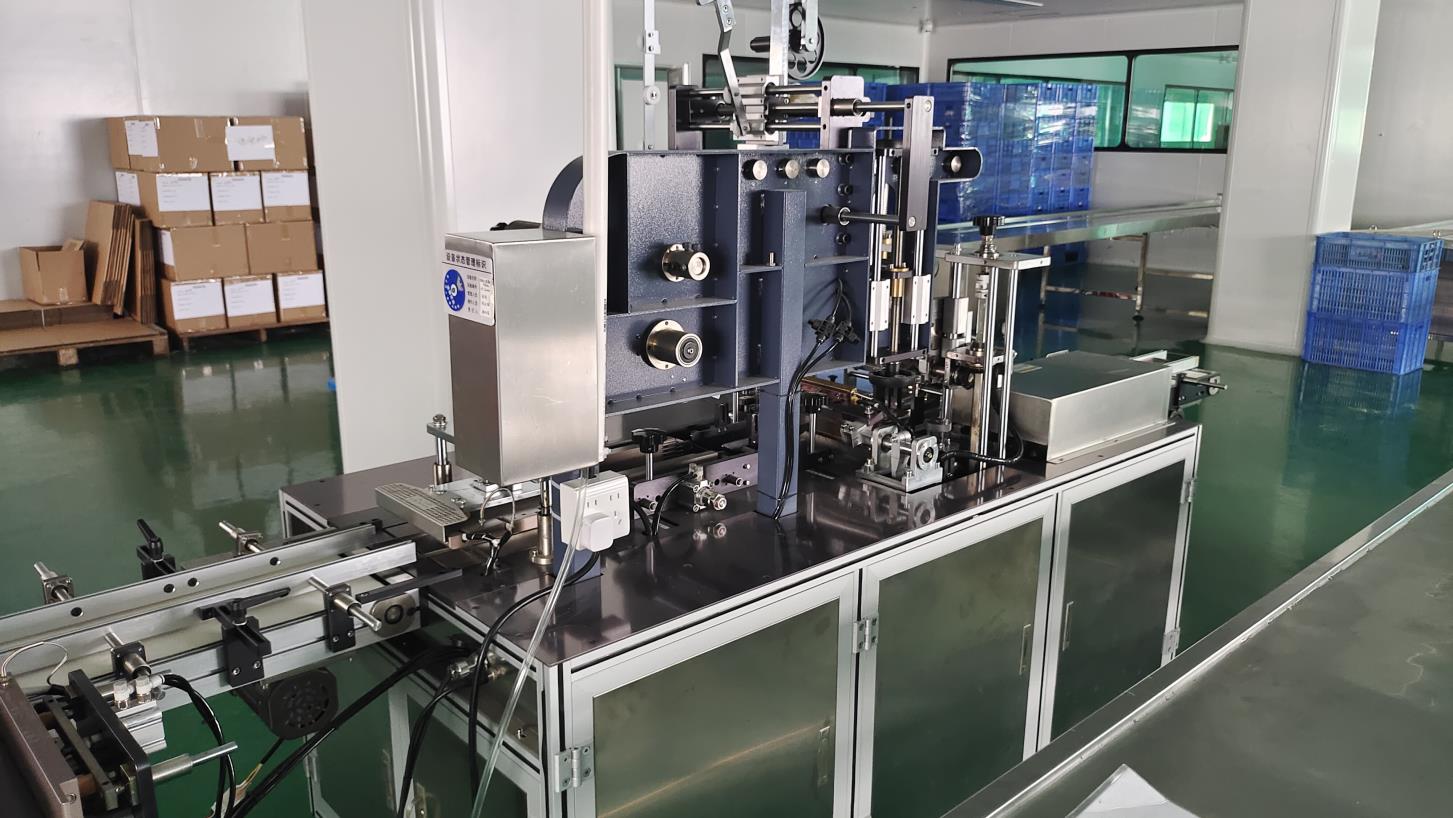
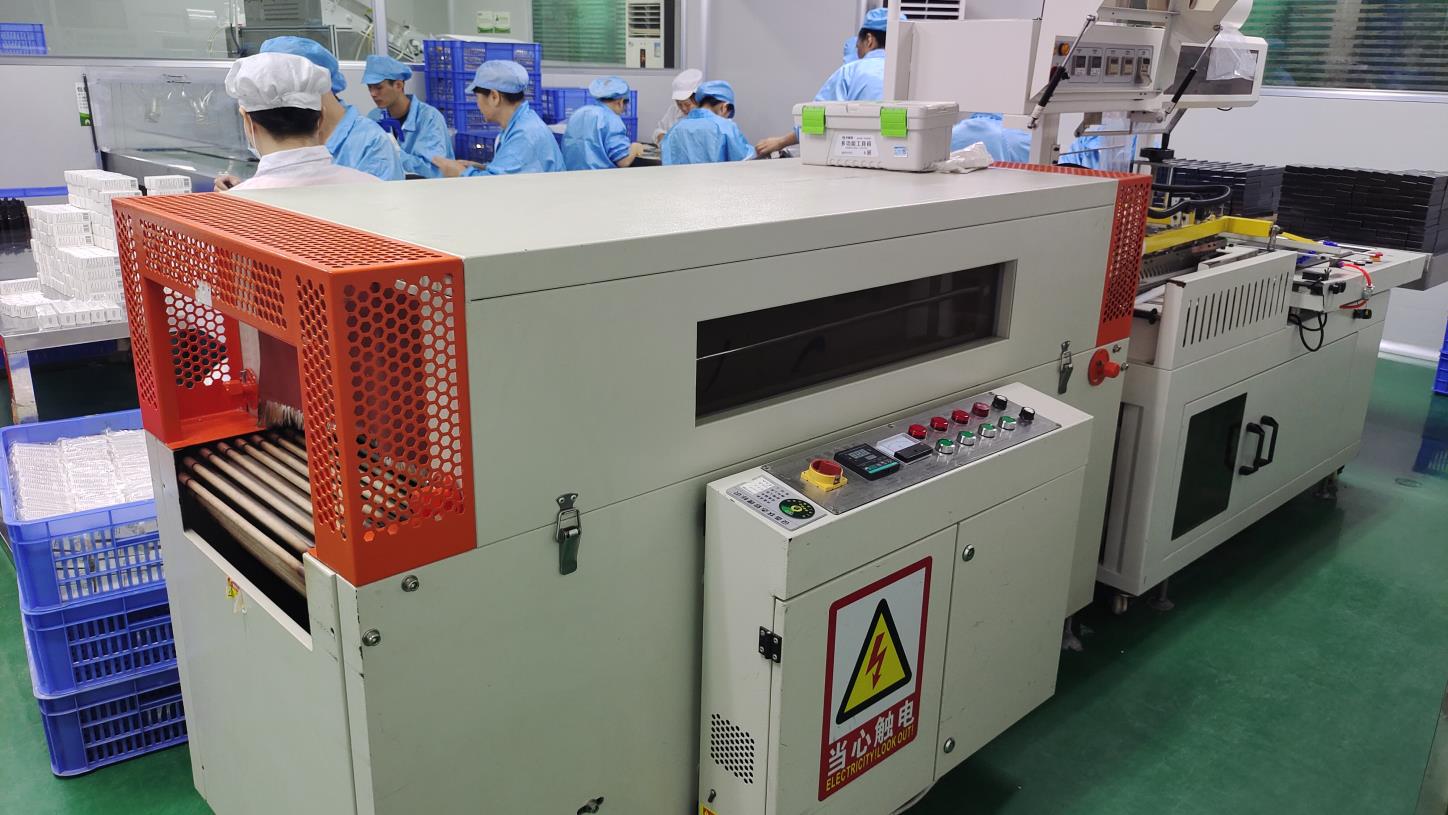
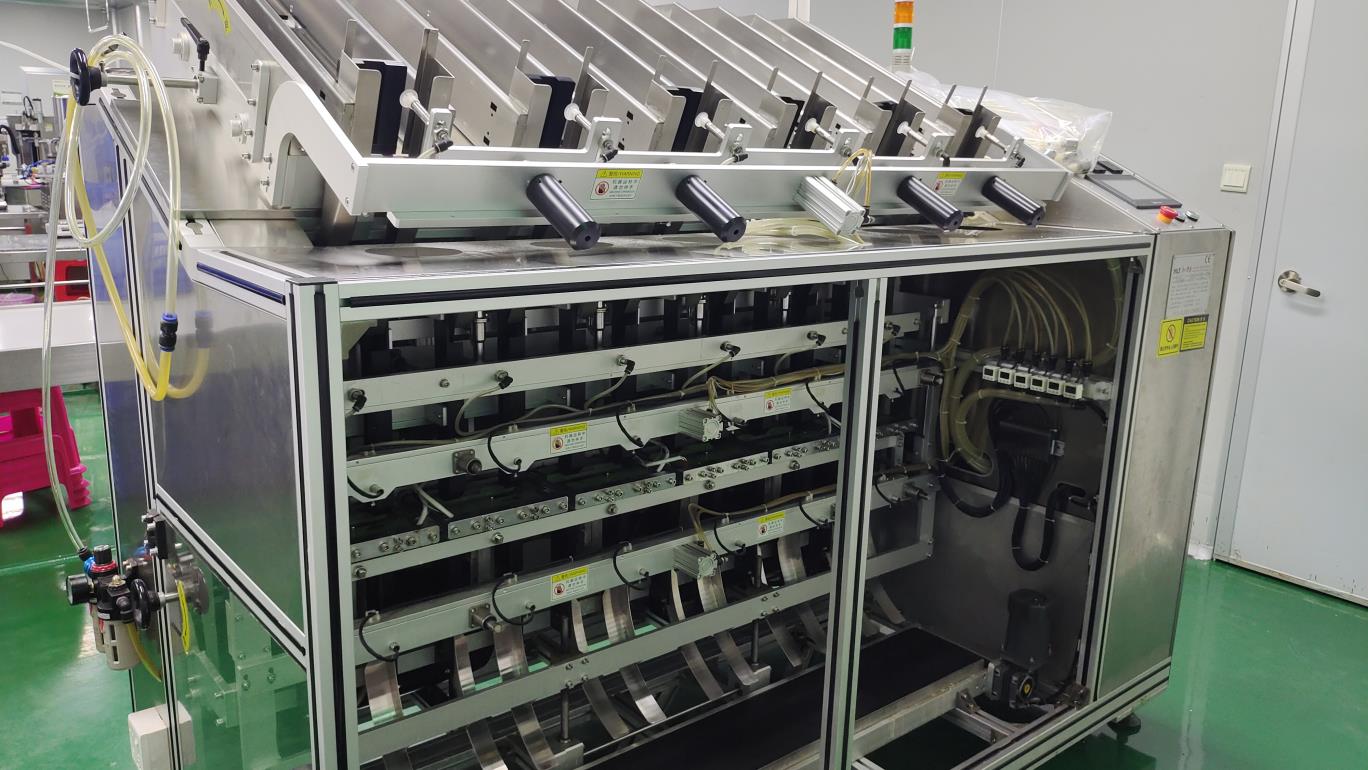
When evaluating international factories for private label body lotion manufacturing, industry professionals rely on a structured, multi-dimensional verification framework to secure high-quality partners:
Look for ISO 22716 (GMP for Cosmetics) and GMPC certifications. These guarantee international safety standards across production stages.
Evaluate the presence of internal labs and the capacity to run microbiological, stability, and compatibility tests in-house.
Verify agreements with global chemical suppliers (BASF, Croda, DSM, etc.) to ensure raw material consistency and purity.
Robust export infrastructure and proximity to major shipping hubs reduce delivery timelines and customs complexities.
Consumer skin characteristics and sensory preferences differ significantly depending on the regional climate. An optimized body lotion portfolio must contain highly differentiated formulas engineered for specific geographic markets:
In hot and humid regions, heavy occlusive lipids are rejected by consumers. Formulations should utilize high humectant-to-emollient ratios, leveraging lightweight water-gel textures, Hyaluronic Acid, and volatile silicones or natural esters that leave a dry, matte, or velvety finish.
Extremely dry air causes high Transepidermal Water Loss (TEWL). Lotions developed for these regions require structured shear-thinning emulsions with robust occlusive properties, combining Shea Butter, Ceramides, and Squalane to lock in hydration without feeling suffocating.
Winter seasons compromise the lipid barrier, leading to itching and redness. Formulations must prioritize nourishing, thick structures that incorporate barrier-repairing lipids and soothing agents like Colloidal Oatmeal, Panthenol, and Allantoin.
With the rise of dermatological beauty, hypoallergenic, fragrance-free, and microbiome-friendly (prebiotic and probiotic ferment) lotions are in high demand across all metropolitan demographics globally.