Why Is My Eyeshadow Creasing So Fast 7 Tips?

Time:2026-11-21 Author:Henry
0%

If your shadow looks smooth at 8 a.m. but gathers into fine lines before lunch, you are not alone. “why is my eyeshadow creasing so fast” is a practical question, not a sign that you are applying makeup badly. Creasing often comes from several small factors working together: natural eyelid oil, skincare that has not settled, excess product, or a formula that moves with the skin.

The category is popular, but sales figures cannot explain what happens on your eyelids. Circana reported that U.S. prestige beauty sales reached $31.7 billion in 2023, up 14% from the previous year. That industry snapshot shows strong demand for beauty products; it does not prove that any primer or shadow will prevent creasing. Technique still matters. A thick layer of moisturizer, for example, may leave a slippery surface, while powder packed into every fold can look dry rather than smooth.

Small tests help. Try less eye cream, allow it to absorb, and apply a thin layer of primer before tapping on shadow. Check the result in daylight, then again after a few hours. Annoyingly, the same product can wear differently on another person—or even on your other eyelid. This guide shares seven practical tips, explains common causes, and helps you adjust one step at a time. Some trial and error is normal. It is worth noticing how your skin behaves, not just what a product promises.
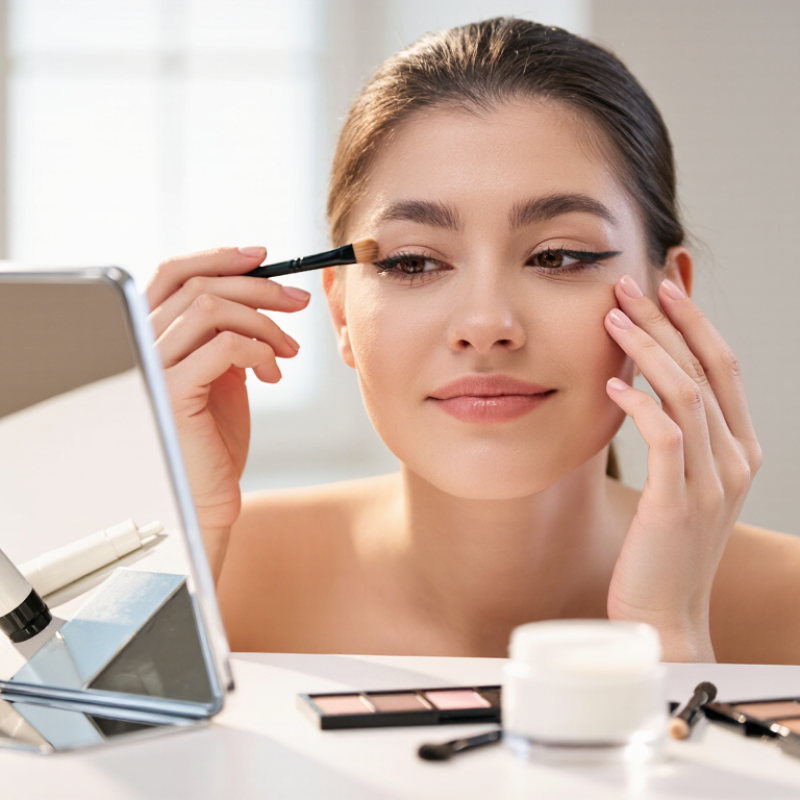
Why Is My Eyeshadow Creasing So Fast 7 Tips?

Why Thin, ~0.5-mm Eyelid Skin Can Make Eyeshadow Crease

Eyelid skin is unusually thin. StatPearls’ clinical review of eyelid anatomy describes it as among the body’s thinnest skin, often estimated at about 0.5 mm. That small thickness leaves little cushion between the surface and the moving structures beneath it. Each blink folds the lid; facial movement can deepen the crease. Eyeshadow pressed into that fold may gather there within hours, especially when the lid is oily or the formula is applied heavily. Tiny movements. Repeated all day.

This anatomy helps explain why creasing is not simply poor technique. Ophthalmic anatomy references describe the orbicularis oculi muscle beneath the eyelid, which helps close the eye. The skin moves with it, so a fixed layer of pigment is constantly being flexed. Thin skin does not affect everyone equally; crease depth, natural oil, humidity, and product texture also matter. A light base and a thin layer of powder may reduce slipping, but they cannot stop blinking. And powder can look dry. I have found that helpful advice can become too absolute: a primer may improve wear, yet the same routine can crease on one person and stay smooth on another. The 0.5-mm figure is an approximate anatomical measure, not a prediction of how long makeup will last.

Blot Excess Oil and Apply a Thin, Eye-Safe Primer

Oily lids can make eyeshadow slide into the crease within a few hours. Before applying makeup, gently press a clean tissue or blotting paper against each closed eyelid. Do not rub; friction can irritate delicate skin. Check the tissue afterward. A faint translucent mark may be normal, but visible oil is a cue to blot once more. Keep the pressure light.

Apply a small amount of primer labeled for use around the eyes to clean, dry lids. A thin film is enough. Too much can stay tacky and make shadow bunch rather than grip. Let the primer set according to its directions before adding color. Keep it off the waterline and out of the eyes. If a product causes stinging, wash it off and stop using it.

I sometimes use more primer when makeup creases, but that can backfire. Less may work better. Try a rice-grain-sized amount per lid, then adjust gradually; eyelid texture and oiliness vary. If you wear moisturizer, give it time to absorb before priming, and blot any leftover slickness. Use clean fingertips or an applicator, and avoid layering primer over oily residue. A quick check in natural light helps reveal whether the lid still feels slippery.

Why Is My Eyeshadow Creasing So Fast 7 Tips? - Blot Excess Oil and Apply a Thin, Eye-Safe Primer

Tip What to Do How It Helps Useful Reminder
1. Blot excess oil Gently press a clean tissue or blotting paper over the eyelid before makeup. Removes some surface oil without adding another layer of product. Press lightly; avoid rubbing the delicate skin around the eyes.
2. Use a thin, eye-safe primer Apply a small amount of primer labeled for use on eyelids, then let it set. Creates a more even base and can help eyeshadow adhere. Keep it out of the eye and off the waterline; more product is not necessarily better.
3. Let skincare settle Allow eye cream or moisturizer to absorb before applying makeup; gently blot any residue. A slick or damp surface can make shadow move more readily. Avoid applying makeup over wet skincare.
4. Build thin layers Apply a light layer of eyeshadow, then add color gradually where needed. Heavy product buildup can collect in natural eyelid folds. Tap excess powder from the brush before applying.
5. Choose a suitable formula Try a formula designed for eyelids and consider how it wears on your skin. Different textures can behave differently on oily, dry, or hooded lids. Stop using any product that causes irritation.
6. Set selectively If needed, use a very light dusting of compatible powder on areas that tend to get oily. Can reduce surface tack before applying powder shadow. Use a small amount and keep loose powder away from the eyes.
7. Check wear and tools Use clean brushes and check your makeup after a few hours to see where creasing begins. A clean application and observing your wear pattern can help you adjust placement or product amount. Do not share eye makeup; replace products according to their labeling and discard anything that changes in smell, texture, or appearance.

Choose Long-Wear Formulas and Build Two Sheer Layers

Eyeshadow often creases when lid oils soften the pigment, especially where the fold repeatedly touches. Choose a long-wear formula labelled for extended wear, then check its texture: a thin, quick-setting cream or finely milled powder is easier to layer than a thick, slippery base. Keep the eyelid clean and dry. If you use primer, apply only a rice-grain amount and let it set before adding color.

Tip: Press on one sheer layer with a flat brush, wait briefly, then add a second. Keep both layers translucent; heavy pigment can gather in the crease instead of lasting longer. Tap away excess product before application. Cosmetics Europe’s 2024 market report recorded €96 billion in European cosmetics and personal-care retail sales in 2023. That figure describes the market, not eyeshadow performance, so it cannot guarantee wear time. Even careful layering may crease on oily lids or during a long, humid day. If it does, try less primer before buying another product. A small adjustment can matter.

Set Creases Carefully; AAD Notes Makeup Can Trigger Contact Dermatitis

Eyeshadow can crease quickly when oil, sweat, or a thick layer of product gathers in the eyelid fold. Warm skin and repeated blinking add friction. A little product can go a long way, though I still sometimes apply too much when I want richer color. That can backfire.

Tips: Let moisturizer settle before makeup. Blot the lid gently, then apply a thin layer of eye-safe primer or concealer. Press a small amount of powder shadow over it, especially along the crease. Avoid rubbing the skin. Clean brushes regularly, and remove makeup gently at night. If your eyelids feel dry, skip makeup until they recover.

Creasing is not always just a technique problem. The American Academy of Dermatology notes that makeup can trigger contact dermatitis, an itchy or irritated skin reaction. A new shadow, primer, or remover may be responsible. If redness, swelling, burning, or itching appears, stop using the suspected product and avoid testing more products on irritated skin. Seek advice from a dermatologist or another qualified clinician if symptoms persist or worsen. Even careful application cannot prevent every reaction.

Refresh Safely: The FDA Sets No Universal Cosmetic Expiration Date

Why Is My Eyeshadow Creasing So Fast? 7 Tips
Refresh Safely: The FDA Sets No Universal Cosmetic Expiration Date

Creasing can come from oily lids, rich moisturizer, or a thick layer of shadow. It does not automatically mean the product has expired. The FDA does not set one universal expiration date for all cosmetics; shelf life varies with ingredients, storage, and use. Not always obvious. Check the package for a period-after-opening symbol, if provided.

Tips: Apply a light layer of eye-safe primer. Let skincare dry before makeup. Use less shadow near the crease. Press powder on with a clean brush. Avoid layering cream over oily skincare. Clean brushes regularly. Keep the compact closed and dry. Small changes matter, though finding the right routine may take a little trial and error.

Pay attention to changes in smell, texture, or color, and discard products that seem unusual. Keep fingers and damp tools out of the pan to reduce contamination. Never share eye makeup, and stop using a product if it causes irritation. For products used around the eyes, be especially cautious: the area is sensitive, and appearance alone cannot confirm that a cosmetic is safe.

Why Is My Eyeshadow Creasing So Fast? 7 Tips to Refresh Safely

What the chart shows: The American Academy of Dermatology recommends replacing mascara every three months. This is practical guidance—not a universal expiration date set by the FDA. The FDA says cosmetic shelf life varies by product and use.

  1. Apply eyeshadow to clean, dry lids.
  2. Use a small amount of eye primer.
  3. Let skincare and primer dry before applying shadow.
  4. Build color in thin layers.
  5. Choose a formula suited to your skin and the look you want.
  6. Avoid rubbing your eyes and sharing eye makeup.
  7. Discard products if their smell, color, or texture changes, or if they cause irritation.

FAQS

Why does eyeshadow crease?

Oil, sweat, and thick product can collect in the eyelid fold. Blinking adds friction. It happens.

What eyeshadow texture may last longer?

Try a thin, quick-setting cream or finely milled powder. These textures are easier to layer than a thick, slippery base.

How should I apply eyeshadow in layers?

Press on one sheer layer with a flat brush. Wait briefly, then add another. Keep both layers light.

How much primer should I use?

Use about a rice-grain amount on a clean, dry lid. Let it set before adding color. More is not always better.

Can powder help reduce creasing?

Press a small amount of powder shadow over a thin primer or concealer layer, especially along the crease. Avoid rubbing.

What can I do if my eyelids feel oily?

Gently blot the lid before applying makeup. If creasing continues, try using less primer before changing products.

How should I care for my eyelids and brushes?

Let moisturizer settle before makeup, clean brushes regularly, and remove makeup gently at night. Skip eye makeup if your lids feel dry.

What if my eyelids become itchy or red?

Stop using the suspected product. Makeup can trigger contact dermatitis. Seek advice from a qualified clinician if symptoms persist or worsen.

Does careful layering prevent creasing all day?

Not always. Oily lids and humid weather can still affect wear. Even a careful routine has limits.

Conclusion

If you’re wondering “why is my eyeshadow creasing so fast,” the delicate eyelid skin—about 0.5 mm thick—may be part of the reason. Natural oil and movement can cause shadow to gather in folds. Gently blot excess oil, then apply a thin layer of an eye-safe primer. Choose a long-wear formula and build color with two sheer layers rather than applying one thick coat.

Set the crease lightly with a small amount of powder, avoiding heavy layers that can look dry or feel uncomfortable. Makeup can sometimes trigger contact dermatitis, so stop using a product if it causes irritation and seek professional advice if symptoms persist. To refresh your makeup safely, follow the product’s storage and use instructions, keep applicators clean, and replace products if their texture, smell, or appearance changes. The FDA does not set one universal expiration date for all cosmetics.

Henry

Henry

Henry is a dedicated marketing professional with a profound expertise in the company's offerings. With years of experience in the industry, he possesses an impressive understanding of the market dynamics and consumer behaviors that drive success. Henry is committed to sharing his insights through......