Are you frustrated with the appearance of your makeup? Many people ask, "why does my foundation look cakey?" This common issue can stem from various factors, including the type of foundation used, skin texture, and application methods. It might be disheartening when you spend time perfecting your look, only to feel that it falls short.
Understanding the reasons behind a cakey foundation can help you find solutions. Factors like dry skin or over-application can lead to a heavy finish. Sometimes, choosing the wrong shade or formula can contribute to the problem. Reflecting on your routine is essential. Do you apply too much product? Are your skincare and makeup products compatible?
Finding your ideal foundation is a journey. Experimenting with different techniques and products can make all the difference. Remember, achieving a flawless base takes time and practice. Don't be afraid to reevaluate your approach and make adjustments. Only then can you achieve that smooth, natural finish you desire.
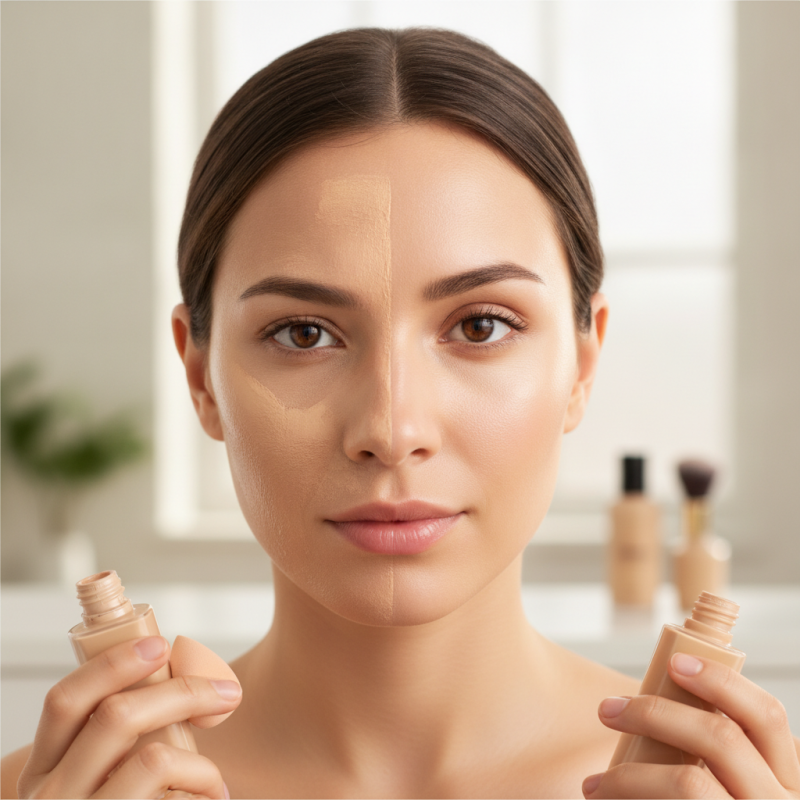
Reasons Your Foundation Appears Cakey: Common Causes and Missteps
Cakey foundation can be a frustrating experience for many. Several common causes might lead to this issue, and understanding them is key. One major cause is the lack of proper skincare. If your skin is dry or flaky, foundation will cling to those patches, resulting in a cakey appearance. Another reason could be using too much product. Applying heavy layers can create a mask-like effect.
Proper technique can make a world of difference. Ensure you prep your skin adequately. Use a gentle exfoliator to remove dead skin. Follow with a hydrating primer to create a smooth canvas.
Tips: Use a damp makeup sponge for application. This helps to blend the foundation seamlessly. If you notice your foundation settling into fine lines, a light dusting of setting powder can help. Remember to keep your tools clean. Dirty brushes can cause uneven application and a clumpy finish.
It’s also essential not to rush the process. Take your time when applying foundation. A rushed application often leads to uneven spots and an undesirable finish. Reflect on your routine; it might be time for changes. Make small adjustments and observe what works best for you.
Foundation Cakey Appearance Reasons
Understanding Skin Types: The Role of Texture in Foundation Application
Understanding your skin type is essential for a flawless foundation application. Different skin textures dramatically influence how foundation sits on the skin. The American Academy of Dermatology reports that around 50% of women experience issues with cakey foundation, often due to mismatched formulations for their skin type.
Dry skin often leads to a patchy look. A lack of moisture can cause foundation to cling to dry patches. It's crucial to use a hydrating primer and a dewy foundation. According to the Journal of Cosmetic Dermatology, products with humectants help improve skin hydration, thus enhancing foundation adherence. On the other hand, oily skin types might experience a different dilemma. Excess sebum can cause makeup to slide off, resulting in an uneven application. Setting sprays and powders can minimize this effect.
Skin texture adds another layer of complexity. Uneven skin, enlarged pores, or acne scars can contribute to a heavy appearance. A 2022 study indicated that using a silicone-based primer can blur imperfections and create a smoother canvas. However, it's vital to avoid over-layering products, as this can lead to a thicker, more cakey look. Experimenting with layering techniques can help you find the right balance for your unique skin texture.
Importance of Prepping Skin: Hydration and Exfoliation for Flawless Finish
Preparing your skin properly is crucial for achieving a flawless makeup finish. Hydration is the first step. According to a study published in the "Journal of Cosmetic Dermatology", skin can lose up to 25% of its moisture within a day. Dry skin can cause foundation to cling to patches, resulting in a cakey appearance. It’s essential to use a good moisturizer suited for your skin type. This ensures your foundation glides on smoothly.
Exfoliation is another important aspect. The American Academy of Dermatology recommends exfoliating at least once a week. Removing dead skin cells helps create a smooth canvas for makeup application. If you skip this step, you might face uneven texture. This can lead to a build-up of products in certain areas. A gentle scrub or chemical exfoliant can work wonders here, but be cautious. Over-exfoliating can irritate the skin and worsen dryness.
Hydrated and exfoliated skin feels plump and youthful. However, perfection is hard to achieve. Many people still struggle even after following these steps. Factors like humidity, skin type, and foundation formula can alter results. Pay attention to how your skin reacts. Adjust your routine accordingly.
Choosing the Right Formula: Liquid vs. Powder Foundations Explained
Choosing the right foundation can make a significant difference in your makeup routine. Liquid and powder foundations serve different purposes. Liquid foundations are excellent for hydrating the skin and providing a dewy finish. They blend seamlessly, covering imperfections effectively. However, if applied too heavily, they can become cakey and heavy.
On the other hand, powder foundations offer a lightweight feel. They are ideal for oily skin types, keeping shine at bay. However, using the wrong brush or applying too much can lead to a patchy appearance. It's crucial to find the right balance based on your skin type and desired finish.
Tips: Always prep your skin before applying foundation. Use a moisturizer to create a smooth base. When trying a new product, test it in natural light. Blend well to ensure a seamless look, especially around the jawline. Remember, less is often more. Start with a small amount, building coverage as needed. Be aware that lighting can significantly affect how your foundation appears. Monitor your makeup throughout the day for any shifts in texture.
Why Does My Foundation Look Cakey and How to Fix It?
| Foundation Type |
Description |
Best For |
Common Issues |
| Liquid Foundation |
A fluid formula that provides buildable coverage. |
Dry to normal skin types. |
Can appear cakey if over-applied or not blended properly. |
| Powder Foundation |
A dry formula that gives a matte finish. |
Oily and combination skin types. |
Can look cakey if applied too heavily or on dry patches. |
| Cream Foundation |
A thick, creamy formula that provides full coverage. |
All skin types, especially dry skin. |
May settle into fine lines if not set properly. |
| Stick Foundation |
A solid formula in a twist-up stick. |
Sensitive or mature skin. |
Can feel heavy and become cakey if layers are too thick. |
Application Techniques: Tools and Methods to Achieve a Smooth Look
When applying foundation, the right tools and methods can make all the difference. A beauty sponge is a versatile tool. It can create a seamless finish when dampened properly. Dab it gently onto the skin, pressing the product into your face. This technique helps to avoid a cakey appearance, allowing for even distribution and blend.
Brushing is another method to consider. Use a flat foundation brush for a smooth application. Start in the center of your face and blend outward. Be cautious with how much product you use; too much can lead to a heavy look. It's best to layer, adding more if needed.
Lastly, prep your skin well. A good moisturizer can hydrate and smooth the surface. Exfoliation should not be overlooked either. Dry patches can cause foundation to cling and look uneven. Always remember that less can be more. Sometimes, striving for perfection can result in a more artificial appearance. Embrace the skin you're in and find what works best for you.
FAQS
: Liquid foundations hydrate and provide a dewy finish. Powder foundations are lightweight and ideal for oily skin.
If applied too heavily, liquid foundations can appear cakey and heavy on the skin.
Use a moisturizer to create a smooth base for better foundation application.
Use the right brush and apply a small amount to prevent a patchy finish.
Dab a damp beauty sponge onto your skin for even distribution and blending.
Yes, lighting can significantly affect your foundation's appearance throughout the day.
Always test the foundation in natural light to ensure a good match.
Start with a small amount and layer more as needed for better results.
Not necessarily; sometimes it leads to an artificial appearance. Embrace your natural skin.
It helps remove dry patches that can make foundation cling and look uneven.
Conclusion
If you've ever wondered "why does my foundation look cakey," this article delves into the common causes and missteps that lead to this frustrating makeup issue. Factors such as skin type, inappropriate foundation choice, and improper application techniques can significantly influence the outcome. Understanding your skin's texture is essential, as it dictates how different formulas, like liquid or powder foundations, adhere to your face.
Prepping your skin is also crucial; hydrating and exfoliating can create a flawless canvas for your makeup. Furthermore, mastering application techniques with the right tools can help you achieve a smooth, even look. By addressing these key areas, you can avoid a cakey appearance and achieve a polished finish for your foundation.
 Fmo Beauty
