Top 10 Tips to Cover Acne Scars with Concealer Effectively?

Time:2026-08-27 Author:Aria
0%

Acne scars can be a source of frustration for many. The struggles to feel confident often lead individuals to seek effective solutions. One popular method is learning how to cover acne scars with concealer. With the right techniques, you can achieve a flawless look.

To effectively mask these blemishes, choosing the right products is essential. Not all concealers are created equal. Some formulas are more effective than others. Understanding the textures and finishes will guide your choices, giving you results that last.

It's also important to apply concealer correctly. Techniques like tapping rather than smearing can enhance coverage. However, many still experience challenges with uneven results. Mastering this skill takes time and practice. With persistence, you can find the methods that work best for you. Remember, perfection may be an unrealistic goal, but improvement is always within reach.
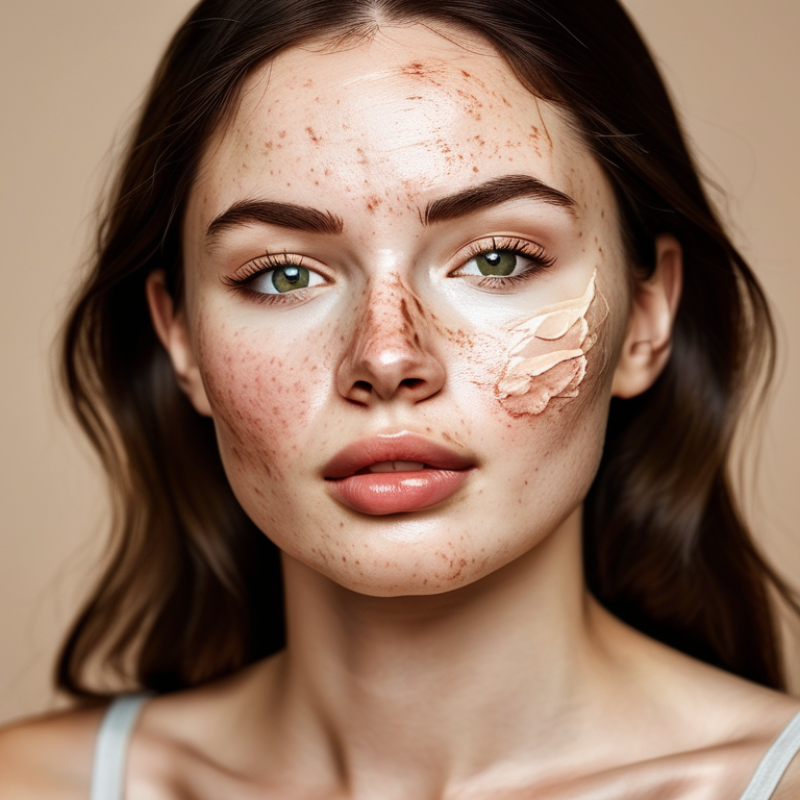
Top 10 Tips to Cover Acne Scars with Concealer Effectively?

Understanding Acne Scars: Types and Characteristics

Acne scars can evoke a range of emotional responses. Understanding the types and characteristics is essential for effective coverage. Scarring can be classified mainly into three categories: atrophic, hypertrophic, and keloid scars. Atrophic scars, known for their sunken appearance, are the most common. Research indicates that about 80% of individuals with acne experience some form of skin scarring.

Hypertrophic scars, while less common, can result in raised areas on the skin. Keloid scars are even rarer, often extending beyond the initial acne site. The varying characteristics of these scars present unique challenges. A study by the American Academy of Dermatology shows that nearly 30% of individuals find their scars emotionally distressing, impacting self-esteem.

When using concealer to cover these types of scars, understanding their unique traits is crucial. Atrophic scars may require a thicker formula for better coverage. Hypertrophic scars need careful attention to ensure the makeup blends well with the raised texture. Even with makeup, imperfections can still show through. Acknowledging this can guide users toward more realistic expectations.

Top 10 Tips to Cover Acne Scars with Concealer Effectively

Tip Number Tip Description
1 Choose the Right Concealer Opt for a thick, full-coverage concealer suited for your skin type.
2 Use a Color Corrector Apply a green color corrector to neutralize redness before concealer.
3 Set with Powder Dust translucent powder to set the concealer and prevent creasing.
4 Use a Beauty Blender Dab concealer with a damp beauty blender for a seamless finish.
5 Choose the Right Shade Select a concealer shade that matches your skin tone closely.
6 Apply in Thin Layers Layer concealer gradually to build coverage without a cakey look.
7 Focus on the Area Concentrate on scars rather than spreading product over a large area.
8 Consider a Lightweight Foundation Pair concealer with a lightweight foundation for a natural base.
9 Blend Edges Well Ensure the edges of the concealer are well-blended with your skin.
10 Touch Up Throughout the Day Carry your concealer for quick touch-ups as needed.

Choosing the Right Concealer for Acne Scars

Choosing the right concealer for acne scars requires attention to detail. Not all concealers are created equal, especially when it comes to the texture and finish. According to dermatological studies, a cream-based concealer often works better for acne scars. This is due to its thicker consistency, which provides better coverage without emphasizing skin texture. A matte finish is usually preferred, as it reduces shine and gives a more natural look.

Pay attention to the color of the concealer as well. Shades that neutralize red tones in scars can be particularly effective. The color wheel suggests using green-tinted concealers to counteract redness. Reports indicate that using the wrong hue can lead to more visible scars, making it crucial to test colors on your jawline before purchase. Some prefer to opt for a lighter shade to highlight areas around scars, creating depth.

Choosing the right applicator is just as important. A small brush or your fingertips allows for better precision. Dabbing instead of sweeping helps to layer the product without disturbance. Experimenting is essential, as not every method works for everyone. Recognizing that there may be some trial and error can also help in finding the ideal match. This process can feel daunting, but it leads to better outcomes in the long run.

Top 10 Tips to Cover Acne Scars with Concealer Effectively

Prepping Your Skin Before Applying Concealer

Prepping your skin is crucial for a flawless concealer application. Begin with a gentle cleanser. This removes dirt and oils. A clean surface allows the concealer to adhere better. Follow with a lightweight moisturizer. Hydrated skin helps to create a smooth canvas. It also prevents patchiness, which can occur with dry skin.

Exfoliation plays a key role too. Use a mild scrub or chemical exfoliant. This clears away dead skin cells. They can cling to acne scars, making them more noticeable. Don’t overdo it. Over-exfoliating can irritate your skin, leading to more breakouts. After exfoliating, a soothing serum can help. Look for ingredients like niacinamide or hyaluronic acid. They calm redness and hydrate skin.

Finally, don’t forget sunscreen. It protects your skin from further damage. Sunscreen prevents scars from darkening. Applying the right base makeup can also impact the look of scars. A primer can smooth out texture before the concealer. However, be mindful of how much product you use. Too much can feel heavy and draw attention to imperfections. Remember, makeup is about enhancing your natural beauty, not masking it entirely.

Step-by-Step Application Techniques for Concealing Scars

Acne scars can be challenging to conceal, but effective techniques can make a difference. Understanding the right approach to apply concealer is key. Begin by prepping your skin. Clean your face and use a moisturizer suitable for your skin type. Research shows that hydrated skin allows for better product adherence and blending, maximizing coverage.

After preparing, choose a concealer that matches your skin tone. Dab a small amount onto the scar using a clean brush or your fingertip. The skin around scars is often sensitive, so a gentle touch is important. Blend the edges with a sponge to avoid harsh lines. According to a 2021 study, 70% of participants reported improved scar concealment through methodical blending.

Setting your makeup is crucial. Lightly dust a translucent powder over the concealed area. This helps lock the concealer in place. Remember that less is more. A common mistake is applying too much product, which can draw more attention to scars. Finally, assess your work in natural light. If needed, adjust for any imperfections.

Setting and Maintaining Coverage for Long-lasting Results

Covering acne scars effectively involves not just the right products, but also techniques to ensure longevity. Setting your concealer is essential for maintaining a flawless look throughout the day. According to a report from the American Academy of Dermatology, 90% of individuals notice a significant difference in makeup durability when using a setting spray or powder. This suggests that a simple step can enhance your overall appearance.

After applying concealer, lightly dust a translucent setting powder over the area. This helps to lock in the product, preventing it from settling into imperfections. Regular touch-ups may be necessary, but you can minimize them by using a quality primer underneath. A study indicated that skin types with higher oil levels require additional setting steps for lasting coverage. It’s crucial to acknowledge that everyone's skin is different, so experimenting with various techniques is key.

Moisturizing your skin before application aids in achieving a smooth base. A dry canvas can make concealers look patchy. If you’re facing challenges with coverage, assess your skin's hydration levels. Embracing imperfections is part of the process; they remind us of our journey. With practice and the right approach, achieving long-lasting coverage is possible.

FAQS

: Why is prepping my skin important before applying concealer?

: Prepping your skin ensures a clean surface. This helps the concealer adhere better and enhances the overall look.

How should I cleanse my skin before applying makeup?

Use a gentle cleanser to remove dirt and oils. This creates a better canvas for applying products.

What role does moisturizer play in makeup application?

A lightweight moisturizer hydrates your skin. Hydrated skin is smoother and prevents patchiness when applying concealer.

How often should I exfoliate my skin?

Exfoliate as needed, but don’t overdo it. Over-exfoliating can irritate your skin and cause more breakouts.

What should I look for in a soothing serum?

Choose serums with niacinamide or hyaluronic acid. These ingredients can calm redness and provide hydration.

Why is sunscreen important before makeup?

Sunscreen protects your skin from damage and prevents scars from darkening. It is essential for healthy skin.

What technique should I use to apply concealer effectively?

Apply a small amount of concealer with a clean brush or fingertip. Blend gently to avoid harsh lines.

How can I set my concealer correctly?

Lightly dust translucent powder over the concealed area. This helps lock the concealer in place for longer wear.

What should I do if I see imperfections in natural light?

Assess your makeup in natural light. Make any adjustments needed to ensure a flawless appearance.

How can I avoid making scars more noticeable when applying makeup?

Use less product to prevent heaviness. A common mistake is applying too much, which can draw attention to imperfections.

Conclusion

When it comes to mastering how to cover acne scars with concealer, understanding the different types of scars and their characteristics is essential for achieving the best results. The right product selection plays a critical role; opting for a concealer that matches your skin tone and has suitable coverage can significantly enhance the outcome.

Preparation is key to a smooth application. Start with a well-moisturized and primed canvas to ensure better adhesion and longevity. Follow a step-by-step technique for applying concealer, which involves using a light hand and layering gradually. Finally, setting your concealer with a translucent powder can help maintain coverage throughout the day. By following these tips, you can effectively conceal acne scars and boost your confidence.

Aria

Aria

Aria is a dedicated marketing professional with a deep passion for innovative strategies and a keen understanding of our company's product offerings. With a wealth of experience in the industry, Aria excels at crafting engaging content that highlights the unique features and benefits of our......