Fmo Beauty
Why does my foundation look cakey? The answer is rarely just “too much makeup.” Dry patches, excess oil, incompatible skincare, heavy layers, and an unsuitable finish can all create that thick, cracked appearance around the nose and mouth. Under bathroom lighting, the problem may look minor. In daylight, every settled line becomes easier to see.
The beauty market shows why this concern matters. Circana reported that U.S. prestige beauty sales reached approximately $33.9 billion in 2024, with makeup remaining a major category. More products do not guarantee better results. In fact, more choices can encourage unnecessary layering. That sounds obvious, but I have made this mistake myself: adding another pump usually made the texture worse.
Professional technique matters more than viral shortcuts. Makeup artist Lisa Eldridge has repeatedly expressed a useful principle: “Skin should look like skin.” That standard changes how we judge coverage, powder, and texture. A board-certified dermatologist would also examine the skin underneath, including dehydration, irritation, and oil production. Foundation cannot reliably hide every surface problem.
This guide explores the ten most common reasons foundation turns cakey. It considers preparation, formula, application pressure, tools, timing, and environmental conditions. Some explanations are simple. Others need honest testing. Your foundation may not be the real problem. Your routine might be. Testing one change at a time gives clearer evidence than replacing everything at once. Expect a few imperfect results. Makeup is practical, not perfectly predictable.
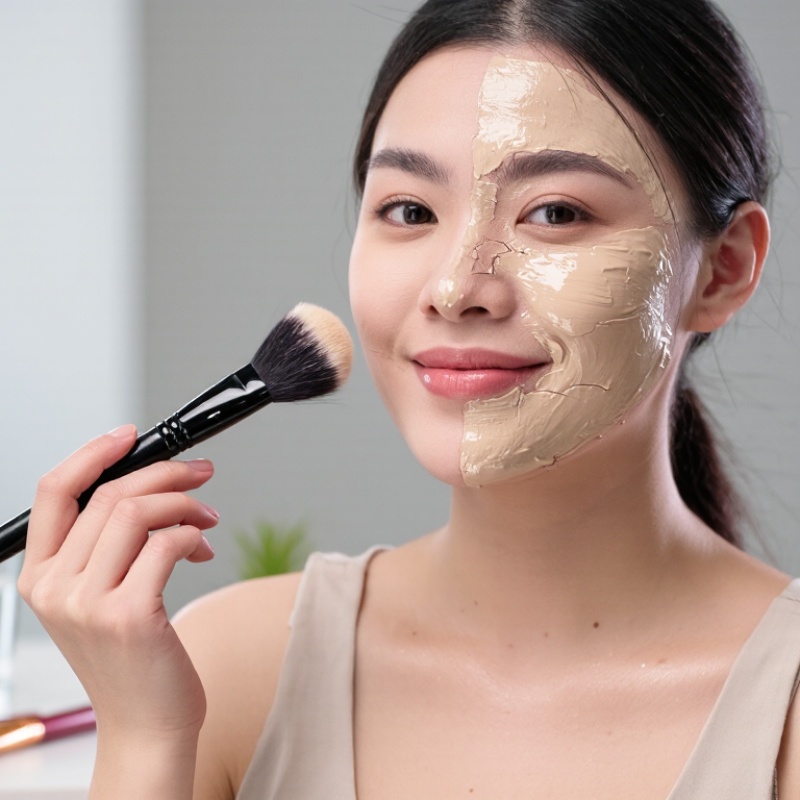
A cakey foundation finish looks thick, dry, and noticeably uneven rather than naturally skin-like. It may gather around the nose, mouth, and forehead, creating small ridges that resemble cracked paint. Fine lines can appear deeper within minutes. Under bright light, the complexion may look powdery, patchy, or strangely separated, with some areas appearing darker than others. It feels tight, too. Sometimes, the skin seems covered instead of gently evened.
In my experience, this texture usually comes from several small mistakes working together. Dry skin, skipped moisturizer, and too much foundation are common causes. Heavy powder can make the surface look dusty, especially over flaky areas. Applying fresh layers before the previous layer settles may also create visible buildup. Oil can break the base apart around the nose, while an unsuitable formula may cling to rough texture. I once blamed my foundation, but poor skin preparation was the real issue. That was an uncomfortable lesson. Check your face in natural daylight, not only in a bathroom mirror. Press a clean fingertip onto one patch. If the product lifts, rolls, or feels thick, the finish needs less product or more balanced preparation. A damp sponge may soften the appearance, but it cannot hide severe dehydration. Be honest about that.
Top 10 Reasons Why Does My Foundation Look Cakey?
How Skin Preparation Affects Foundation Texture
I used to blame the foundation whenever makeup looked thick by noon. In many cases, the real problem started before makeup touched my face. Skin covered with oil, leftover cleanser, or dry flakes creates uneven grip. Foundation then gathers around pores, nose folds, and tiny lines. I have noticed this during makeup consultations, especially when someone applies powder over tight, dehydrated skin.
Preparation should be gentle and specific. Cleanse with lukewarm water, then pat your face dry instead of rubbing it. Apply a light moisturizer to rough areas, not a heavy layer everywhere. Wait five to ten minutes before applying foundation. This pause allows the skincare film to settle. Use sunscreen during the day, but give it time to absorb. Too much product can make the base slide. Too little moisture can make it cling.
Exfoliation may help visible flakes, but aggressive scrubbing often worsens irritation. Choose a mild routine and introduce changes slowly. Sensitive skin may need fewer products, not more. I sometimes still rush this step, and the finish shows it. It shows. Check your skin in natural light before adding coverage. If the surface feels rough, fix the texture first. A damp sponge can soften the result, but it cannot repair poorly prepared skin. Patch-test new skincare, and stop if burning or persistent redness appears.
How skin preparation affects foundation texture
The chart presents an evidence-informed relative impact index from 1 to 10, based on how strongly common skin-preparation and application factors can affect visible foundation texture. Dryness, flaky skin, excess skincare, and applying too much product are among the most influential contributors to a cakey finish.
Foundation can look cakey when its formula fights your skin. High-pigment formulas often contain more powders and film-forming ingredients. These can collect around dry patches, nose folds, and fine lines. Matte formulas may worsen the effect when skin lacks water or oil. A lightweight liquid usually sits more evenly than a thick cream. However, “lightweight” does not always mean hydrating. Check the ingredient list, not only the marketing claim.
Shade can also create visible cakiness. A shade that is too pale makes texture look grey and flat. A darker shade can create muddy edges, especially along the jaw. Undertone matters too. A yellow base may look orange on pink skin. A pink base may look ashy on olive skin. According to the 2024 Cosmetics Europe Market Performance Report, Europe’s cosmetics market reached €104 billion in 2023. That scale reflects enormous product variety, but more choice can make shade matching harder.
I once blamed my sponge for every cakey result. The real problem was a fast-drying formula over an overly rich moisturizer. Dermatology guidance commonly recommends thin, compatible layers for dry skin. Apply moisturizer first, then wait several minutes. Use less foundation around textured areas. I still sometimes choose coverage over comfort, and that trade-off shows by midday. Patch-testing the shade near your jaw in natural light remains more reliable than judging it under store lighting.
A cakey finish often begins before foundation touches the skin. Dry flakes, leftover sunscreen, or excess moisturizer can create uneven texture. I usually wait several minutes after skincare, then gently press away shine with tissue. Rubbing too hard can disturb the surface. That mistake is easy to make.
Using too much product is another common cause. A thick layer rarely improves coverage. I apply a small amount to the center of the face and blend outward with a damp sponge or clean fingertips. Light tapping works better than dragging. It keeps the formula from collecting around the nose and mouth. For blemishes, I let the first layer settle before adding a tiny amount locally.
Tools also change the result. A dry sponge can absorb moisture and leave visible patches. An overly wet sponge may thin the product unpredictably. I once blamed my foundation, but my unwashed brush was the real problem. Clean tools matter. They also reduce the buildup of oil, powder, and old product.
Powder can make the finish look heavier when pressed over wet foundation. I wait until the base feels comfortable, then use a small brush only where creasing appears. Skin changes with weather, hormones, and hydration, so one technique may not work every day. If irritation, burning, or persistent flaking appears, pause makeup and consider professional skin advice.
Cakey foundation usually starts before makeup touches your face. Dry patches, excess moisturizer, enlarged pores, heavy layers, and incompatible formulas are common causes. A 2024 Circana report recorded 8% growth in U.S. prestige makeup sales, reaching $10.4 billion. More products make technique matter. In my experience, foundation clings to flaky skin when moisturizer has not settled. It can also separate when oily sunscreen sits underneath. The American Academy of Dermatology recommends applying moisturizer to damp skin, supporting smoother preparation.
Begin with a gentle cleanse, then apply a light moisturizer while your skin remains slightly damp. Wait five to ten minutes. Press a tissue over your forehead and nose to remove surface oil. Use a small amount of primer only where pores or texture show. Match foundation along your jaw in natural daylight. Apply a thin layer from the center outward. A damp sponge can soften edges, while a small brush adds controlled coverage. Let the first layer settle before adding concealer. Powder only the moving areas, such as the sides of your nose.
If the finish looks thick, stop adding product. Press a clean, damp sponge over the area instead. For severe patchiness, remove that section and restart. Repeated rubbing usually makes texture worse. Check the product’s smell, texture, and recommended use period. Old formulas can separate unexpectedly. I still over-powder my nose sometimes. That small mistake reminds me that more coverage is not always better. Skin preparation, thinner layers, and patient blending usually create a more natural surface.
Dry flakes can trap pigment and powder. Use a thin moisturizer layer, then wait several minutes. Less product helps.
Yes. Matte formulas may emphasize dry skin lacking water or oil. A lightweight liquid can sit more evenly.
A pale shade can make texture look grey and flat. A dark shade may create muddy edges along the jaw.
An unsuitable undertone can make skin look orange, pink, or ashy. Test the shade near your jaw in natural light.
Start with a small amount at the face center. Blend outward with tapping motions. Add coverage only where needed.
Thick layers can collect in folds and fine lines. Use less product there, and avoid dragging the formula across textured skin.
Yes. Excess moisturizer or leftover sunscreen can create an uneven surface. Press away shine gently with tissue.
A dry sponge may absorb moisture. An overly wet sponge can thin the product unevenly. Clean tools matter.
Powder pressed onto wet foundation can increase buildup. Wait until the base feels comfortable, then powder only creased areas.
Notice changes in weather, hydration, and skin condition. Pause makeup if burning or persistent flaking appears, and consider professional skin advice.
If you have ever wondered, “why does my foundation look cakey,” the answer may involve more than the makeup itself. A cakey finish often appears thick, flaky, patchy, or uneven, especially around dry areas, pores, and fine lines. Inadequate skin preparation, such as skipping moisturizer or applying makeup before skincare has absorbed, can make foundation cling to rough texture. The formula, shade, and amount of foundation also matter, as a product that is too heavy, too light, or incompatible with your skin type may quickly look unnatural.
Application technique can further contribute to cakiness. Using too much product, layering quickly, or blending with the wrong tool may create a heavy finish instead of smooth coverage. To prevent and fix the problem, gently cleanse and hydrate the skin, allow skincare to settle, choose a suitable lightweight formula and accurate shade, and apply thin layers with controlled blending. A damp sponge or clean brush can help soften excess product, while a small amount of moisturizer may revive dry areas without disturbing the entire base.
