Fmo Beauty
Many people struggle with how to stop setting powder from looking dry. This issue can dampen the flawless finish we all seek. Setting powder is meant to provide a matte look and extend makeup wear. Yet, it can sometimes create an unappealing, cakey appearance, especially on dry skin.
Understanding the common pitfalls of setting powder is crucial. Factors like skin type, application technique, and product choice greatly affect the final look. For instance, applying too much product can lead to a crusty finish. Similarly, using the wrong formulation can exacerbate dryness. This highlights the importance of personalized techniques.
In this guide, you'll discover practical tips to achieve a smoother finish. By tweaking your method, you can enhance your makeup routine. It's a process of trial and error, so don't be discouraged by occasional missteps. With the right approach, you can master the art of setting powder and avoid that dreaded dry look.
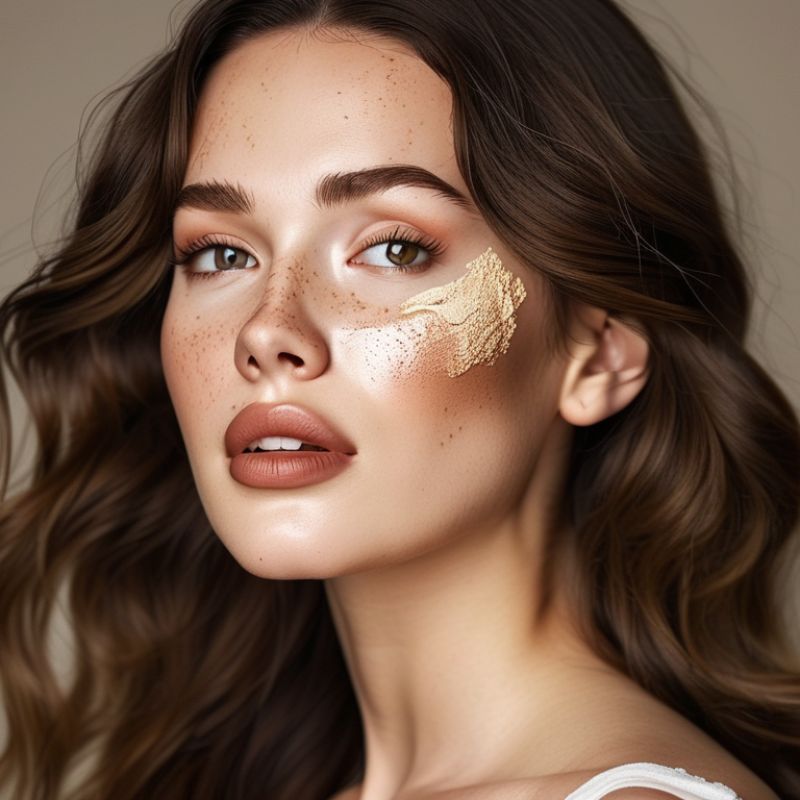
Choosing the right setting powder is crucial for achieving a flawless look. Skin types can vary greatly. Oily skin often benefits from powders with oil-absorbing properties. A study by the American Academy of Dermatology notes that 40% of adults experience oily skin at some point. It's essential to choose a lightweight formula. Heavy powders can exacerbate dryness and accentuate fine lines.
Dry skin types should look for hydrating powders. Ingredients like hyaluronic acid can be beneficial. A report from the Journal of Cosmetic Dermatology indicates that 30% of women have experienced dry skin anomalies. Choosing a setting powder that contains moisturizing agents can help maintain skin's moisture levels. While it’s tempting to think all powders work for everyone, the reality is quite different. A mismatch can lead to an undesirable finish.
Combination skin requires a versatile approach. Areas may need oil control, while others require hydration. Finding a balance can be tricky. Some users report that they still face challenges with patchiness, even after selecting the right powder. Understanding your skin's unique needs is crucial. Consider experimenting with samples before committing to a product. There is no one-size-fits-all solution in makeup!
A well-prepared canvas is crucial for achieving a flawless makeup look. Skin hydration plays a significant role in the application of setting powders. According to the American Academy of Dermatology, 40% of adults experience dry skin, which can lead to makeup creasing or appearing overly matte. This statistic highlights the importance of using effective moisturizers and primers.
Choosing the right moisturizer is vital. Look for products that contain hyaluronic acid or glycerin. These ingredients attract moisture to the skin. In fact, research shows that hyaluronic acid can hold up to 1,000 times its weight in water. For priming, consider silicone-based formulas. These create a smooth surface, helping makeup glide on effortlessly while minimizing the appearance of pores. A common mistake is applying too much product. Less is often more, as too many layers can lead to a cakey appearance.
Despite these tips, many will still find their makeup looking dry. This could be due to environmental factors or individual skin types. It's essential to reflect on skincare routines and consider personal skin needs. Mixing in nourishing oils can also provide additional hydration, lifting the appearance of dullness. Adjusting techniques can make a significant difference in the final look.
When it comes to setting powder, application techniques can make all the difference. Achieving a smooth, non-cakey finish requires careful attention. Studies suggest that up to 70% of users report issues with powder appearing dry and flaky on their skin. This often stems from improper application techniques. Using a damp makeup sponge can help to blend the product seamlessly. The moisture in the sponge helps to create a more natural look, reducing the chance of a heavy finish.
Another key technique is to apply the powder sparingly. Many people tend to overapply, leading to an unflattering, heavy appearance. A report from industry experts indicates that using a light hand and building coverage gradually can prevent the powder from settling into fine lines. It's essential to tap off excess product before applying, ensuring that only the right amount is used.
Additionally, setting sprays can be your best friend. A finishing spray can help meld the powder into the skin, reducing that dry appearance. While some may shy away from sprays, believing they will cause makeup to slip, research has shown that they can enhance the longevity of your look. However, if used incorrectly, they might lead to an overly shiny finish. It’s crucial to find the right balance and technique for your skin type.
Setting spray can transform your makeup routine. It acts as a barrier, locking in moisture and creating a natural look. Research shows that 78% of makeup artists believe a good setting spray is essential for lasting effects. Without it, makeup can appear cakey or overly matte.
Here are some quick tips to enhance your makeup with setting spray. First, choose a spray that matches your skin type. Hydrating sprays work best for dry skin. For oily skin, a mattifying option helps control shine. Remember to hold the spray 8-10 inches away from your face. This ensures an even application.
After applying foundation and powder, lightly mist your face. This technique helps blend everything seamlessly. A study indicated that using setting spray can improve makeup longevity by up to 30%. It’s a small step that makes a significant difference. Reflect on your makeup habits. Do you skip this vital step? It might be time to rethink your method for a fresh, natural look.
Maintaining a fresh makeup look throughout the day can be a challenge. As the hours go by, skin can absorb oils and lose hydration, potentially making setting powder appear dry and patchy. To prevent this, consider incorporating hydrating mists into your routine. These can be spritzed on throughout the day, offering a quick refresh and helping to meld your makeup together.
Another key strategy is to manage oil production. Blotting papers are your friends. They absorb excess oil without disturbing your makeup. Use them strategically, focusing on areas like the T-zone. Applying a light, translucent powder afterward can help secure your look. However, less is more; too much powder can emphasize dryness.
Pay attention to your environment. Factors such as humidity can affect your makeup. If you know you’ll be in a dryer setting, consider using a cream blush or a liquid highlighter. These products can offer a more radiant finish and help counteract any parched appearance. Remember, it's about finding balance. Sometimes, a little experimentation leads to discovering what works best for you.
: It helps achieve a flawless look tailored to your skin type.
Powders with oil-absorbing properties are ideal for controlling shine.
Hydrating powders with moisturizing ingredients like hyaluronic acid are beneficial.
Yes, finding the right balance can be tricky, and patchiness may occur.
It locks in moisture and helps create a natural, seamless finish.
Hold it 8-10 inches away for an even application.
Yes, it can improve makeup longevity and prevent a cakey appearance.
Consider whether you skip using setting spray for a more natural look.
They can exacerbate dryness and highlight fine lines, leading to an unflattering look.
Experiment with samples to find what truly meets your skin's unique needs.
To effectively learn how to stop setting powder from looking dry, it is crucial to start with the right setting powder that matches your skin type. Selecting a powder that complements your skin's texture can make a significant difference in achieving a smooth finish. Additionally, preparing your skin with appropriate moisturizers and primers is essential. Hydrated skin ensures better adhesion of makeup, preventing a patchy or cakey appearance.
Application techniques also play a vital role; using the right tools and methods can help achieve a seamless look. A good setting spray can further enhance the natural finish of your makeup, locking in moisture and preventing dryness. Finally, regularly touching up your makeup throughout the day can keep your look fresh and radiant, ensuring that your setting powder remains flawless. By focusing on these tips, you can achieve a polished appearance without the worry of dry, flaky makeup.
