How to Match Blush to Your Lipstick Color for Perfect Makeup?

Time:2026-09-01 Author:Mason
0%

When it comes to makeup, achieving a harmonious look is key. The right blush can enhance your lipstick and elevate your overall appearance. Expert makeup artist Lisa Adams emphasizes, "Understanding how to match blush to your lipstick color is crucial for a flawless finish."

Choosing the perfect blush shade often feels overwhelming. Different skin tones and lipstick colors create a unique balance. For example, a bold red lipstick may call for a soft pink blush, while a nude lip could pair well with a peachy hue. However, many struggle with finding that ideal match.

Blush that clashes with lipstick can overshadow your makeup. It is easy to overlook the importance of this combination. Many makeup enthusiasts might just pick a favorite blush without considering the bigger picture. Reflecting on your choices can lead to a more polished look. Understanding how to match blush to your lipstick color not only enhances beauty but also builds confidence in your makeup skills. It’s worth the effort to get it right.
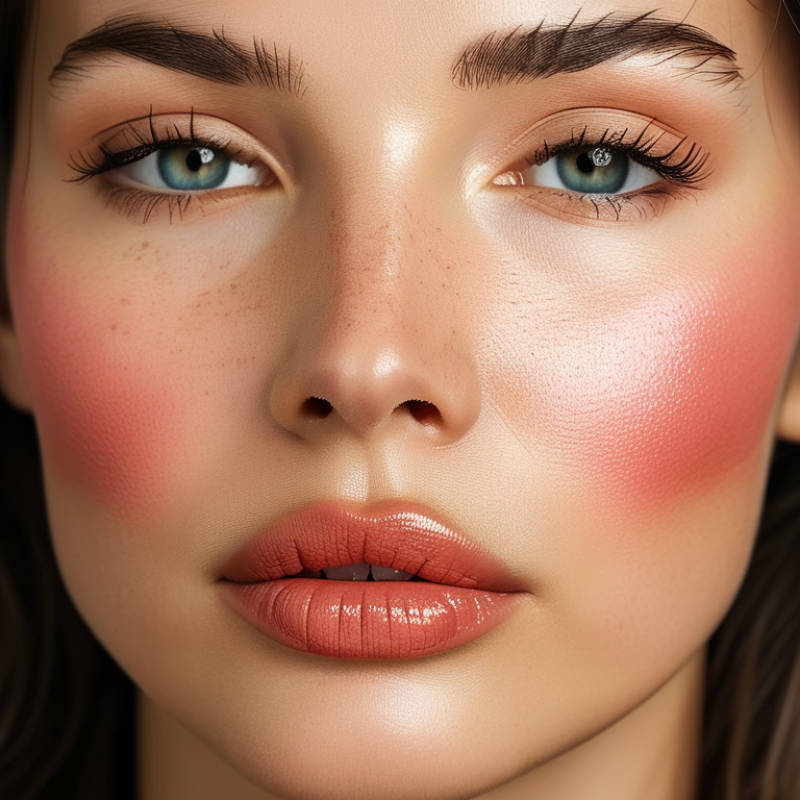
How to Match Blush to Your Lipstick Color for Perfect Makeup?

Understanding Color Theory in Makeup Application

Understanding color theory is essential for flawless makeup application. When selecting blush to match your lipstick, consider the undertones. Warm lipsticks, such as corals and peachy tones, pair beautifully with warm blushes. Conversely, cool lipsticks like berry hues require cooler blush shades, such as soft pinks or mauves. This harmony creates a cohesive look that enhances your features.

Many makeup enthusiasts overlook the importance of balance. A bold lip can compete with vibrant blush. It’s crucial to find that sweet spot where both elements shine without overwhelming each other. Experimenting with shades will help you grasp what works best for your skin tone. You might find that a certain combination seems perfect in theory but feels off in practice. Reflecting on these moments can guide you toward a more personalized approach.

While the rules of color theory are useful, personal preference plays a significant role. Your unique style should influence your choices. Don’t be afraid to step outside conventional pairing. Sometimes, an unconventional combo may become your favorite. Embrace the learning curve in your makeup journey, and adjust based on what feels right for you.

Identifying Your Lipstick Undertones for Better Matching

Identifying the undertones in your lipstick is crucial for achieving a flawless makeup look. Lipsticks come in various shades, but their undertones can vary significantly. Understanding these undertones helps you select blush colors that enhance your overall appearance. For example, if you choose a warm-toned lipstick, pairing it with peach or coral blush creates a harmonious blend. Conversely, a cool-toned lipstick, such as berry or fuchsia, pairs well with pink or lavender blush.

It's essential to recognize that not every attempt will yield perfection. You might mistakenly choose blushes that clash with your lipstick. In this case, reassessing your lipstick shade can provide valuable insight. Sometimes, swatches on your wrist or a test on your cheeks can unveil the best matches. Lighting also plays a role, as colors can look different in natural versus artificial light. Regularly experimenting will refine your skills in color matching, leading to a more polished makeup application. Don't shy away from making mistakes; they often lead to valuable lessons in beauty.

Choosing Blush Shades that Complement Your Lipstick Color

Choosing the right blush shades to complement your lipstick can elevate your overall makeup look. Start by identifying the undertones of your lipstick. Warm-toned lipsticks often pair well with peach or coral blushes. Cool-toned lipsticks, on the other hand, look best with pinks or berries. The key is to create a harmonious balance that enhances your features.

It can be challenging to find the perfect match. Test different shades on your wrist before applying. Sometimes, what looks good in the palette may not translate well on your skin. Remember, the blush should enhance your natural beauty, not overpower it. Don't be afraid to experiment with intensity; a lighter touch can sometimes be just as effective as bolder hues.

Reflect on your overall look. Your blush should not only complement your lipstick but also suit your skin tone and the occasion. A bit of trial and error is often necessary. Embrace the learning process. Makeup is an art that allows for creativity and growth.

Application Techniques for a Harmonious Makeup Look

When it comes to achieving a harmonious makeup look, matching your blush to your lipstick can be a game changer. Start by assessing your skin tone and the undertones in both products. People often ignore how undertones impact the overall appearance. A cool-toned blush can clash with warm lipstick, leading to a mismatched look. Experimenting with swatches on your skin can provide a clearer picture of what works.

For application techniques, begin with a light touch. Apply blush to the apples of your cheeks, blending it back towards your temples. This creates a soft gradient that complements your lips. If your lipstick is bold, consider using a more subtle blush to balance it out. Conversely, a vibrant blush can enhance a nude lip. Remember that less is often more. It’s easy to go overboard, and that can lead to an unflattering result.

Reflect on your past experiences with blush and lipstick combinations. Did you ever feel something was off? An uneven blend or a harsh line can disrupt the flow of your makeup. Keep practicing and adjust based on what feels right for you. There’s no one-size-fits-all approach, so find your unique balance.

Adjusting Blush Intensity for Different Lipstick Finishes

Choosing the right blush intensity is key when pairing it with your lipstick. Different lipstick finishes can drastically affect your overall look. For a matte lipstick, opt for a softer blush. This balance creates a harmonious appearance. A sheer cream blush can work wonders here, providing a natural flush without overwhelming the matte finish.

For glossy lipsticks, feel free to intensify your blush. The reflective sheen of gloss benefits from a bolder cheek color. Consider a powder blush in a slightly deeper shade to enhance your features. This contrast between glossy lips and vivid cheeks can make your makeup pop.

Remember, matching blush and lipstick isn't always perfect. Experimenting is a vital part of the process. You might feel tempted to go with your favorite shades, but sometimes, less is more. Play with different textures and colors until you find what resonates with your unique style. Don't shy away from creating looks that challenge your norms!

How to Match Blush to Your Lipstick Color for Perfect Makeup? - Adjusting Blush Intensity for Different Lipstick Finishes

Lipstick Finish Recommended Blush Color Blush Intensity Tips for Application
Matte Soft Pink or Peach Light to Medium Apply lightly on the apples of the cheeks for a natural look.
Satin Rose or Coral Medium Blend well to ensure an even finish that complements the sheen of the lipstick.
Glossy Neutral Beige or Mauve Light Focus on a subtle glow; avoid heavy application to maintain balance.
Metallic Champagne or Soft Plum Medium to Bold Use a fan brush for diffusion; highlight cheekbones for a radiant finish.

FAQS

: How do I select blush that matches my lipstick?

: Identify the undertones of your lipstick. Warm shades pair with warm blushes; cool shades need cool blushes.

What if my bold lip competes with my blush?

Achieve balance by opting for subtle blush with bold lips. A light touch can create harmony.

Can I wear unconventional color combinations?

Yes! Personal preference matters. Step outside traditional pairings; you may discover new favorites.

How can I ensure my blush complements my skin tone?

Test different shades on your wrist first. A suitable blush enhances your beauty without overpowering.

What should I consider for a complete makeup look?

Reflect on your overall style and occasion. A cohesive makeup appearance includes balanced blush and lipstick.

Is it okay to make mistakes while applying makeup?

Absolutely! Trial and error are part of the learning process. Reflect on what feels right for you.

How important are application techniques in makeup?

Application matters significantly. Apply blush lightly to avoid harsh lines and create soft gradients.

What if my blush looks different on my skin?

Lighting and skin tone can affect appearance. Test products and adjust based on what works for you.

How often should I experiment with new shades?

Regular experimentation can lead to growth. Embrace creativity and be open to evolving your style.

What should I do if I feel my makeup looks off?

Reflect on your choices. Adjust color combinations or application techniques for a better balance.

Conclusion

To achieve a flawless makeup look, understanding how to match blush to your lipstick color is essential. This process begins with grasping the fundamentals of color theory, which will aid in identifying the undertones of your lipstick. By recognizing whether your lipstick has warm, cool, or neutral undertones, you can select blush shades that harmoniously complement your lip color, creating a balanced and polished appearance.

Moreover, the application techniques play a crucial role in ensuring that your makeup blends seamlessly. Experiment with various methods and adjust the intensity of your blush based on the finish of your lipstick—matte or glossy—allowing for a tailored look that enhances your features while maintaining a cohesive aesthetic. Following these guidelines will help you master how to match blush to your lipstick color effectively.

Mason

Mason

Mason is a seasoned marketing professional with a deep expertise in the company's offerings and a passion for driving brand awareness. With a strong background in digital marketing strategies, he has an innate ability to connect with diverse audiences and effectively communicate product benefits.......