Fmo Beauty
Cream blush can look intimidating at first. The color may seem brighter in its compact than it appears on your cheeks. For beginners in China, climate, skin tone, and daily routines can also shape how a product wears. The goal is not to copy a trend, but to find a placement and texture that feel comfortable. Start with a small amount. Build slowly.
Makeup artist and Bobbi Brown Cosmetics founder Bobbi Brown has said, “I believe all women are pretty without makeup—but with the right makeup can be pretty powerful.” That perspective suits learning how to apply cream blush for beginners: makeup should support your features, not hide them. Tap a clean fingertip or sponge lightly into the blush, then press the color onto the upper cheek. Blend toward the temples with gentle dabs. A sheer layer is easier to adjust than a heavy stripe. Check the result in natural daylight, especially near a window; indoor lighting can make color appear warmer or duller. If the finish looks uneven, pause before adding more. Sometimes the first attempt will feel a little awkward. That is useful feedback, not failure. This guide will cover choosing a shade, preparing skin, applying and blending the product, and avoiding common beginner mistakes. It will favor practical steps over rigid rules, since one method will not suit every face or formula.
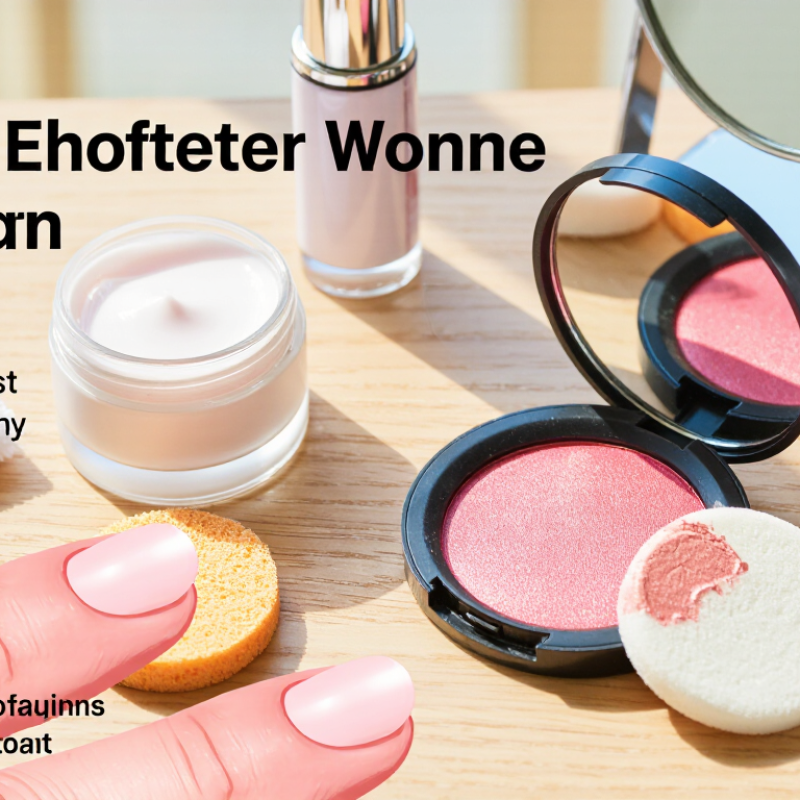
Choosing a cream blush starts with how your skin feels during the day, not just how it looks in a mirror. If your cheeks often feel tight or flaky, a creamy, flexible formula may sit more comfortably than a dry, powdery one. For oily skin, try a lighter texture and use a small amount; a very rich formula can feel slippery by midday. If your skin is easily irritated, check the ingredient list and test a little on your inner arm first. Give it a day. Skin can react differently from one person to another.
Shade is just as personal. Fair skin often suits soft rose, peach, or muted pink, while medium and deeper tones can carry richer berry, terracotta, or warm coral shades. These are starting points, not rules. Chinese skin tones vary widely, and undertones may be warm, cool, or neutral. Check a small swatch on your cheek in daylight, rather than judging it under yellow indoor lighting. A shade that looks bright in the pot may blend softly on skin. Even careful matching can miss; I’d rather adjust with another thin layer than begin with too much.
Before applying cream blush, start with clean, comfortable skin. Wash with a gentle cleanser, then pat your face dry with a soft towel. Avoid scrubbing, since extra redness can make it harder to judge your natural cheek color. Apply a light moisturizer and wait a few minutes. If your cheeks still feel slippery, blot gently with tissue. Not slick.
In the morning, apply sunscreen and let it dry before makeup. This can help prevent pilling when you tap blush over bare skin or foundation. If you use primer, apply a thin layer and press it in gently. Check flaky areas beside your nose and around your mouth; add a little moisturizer there, rather than layering product everywhere. Rushing the wait is an easy mistake. If your base shifts, pause and give each layer more time to settle.
Tips: Try new products on a small area first, especially if your skin is sensitive. Use clean fingers or a freshly washed sponge, and begin with a tiny amount. Add more only where needed. Start small. A damp cheek is not always better; too much moisture can lift your base.
Start with clean, moisturized skin and let your skincare settle for a minute. If your base feels slippery, gently press away excess oil with a tissue. Choose a cream blush close to the flush you get after a brisk walk.
Tap a small amount onto the back of your hand; it is easier to add color than remove it. Smile softly, then place the blush on the fullest part of your cheeks, slightly above the center. Use clean fingertips or a soft sponge. Warm the product between your fingers first. It should feel easy to spread, not dragged across the skin.
Tap outward toward your temples, keeping the strongest color near the apples of your cheeks. Use light, repeated presses instead of rubbing, which can disturb foundation underneath. Check both sides in natural light. They may not match perfectly at first. That is normal; add a tiny amount to the lighter side, then blend the edges with clean fingers.
If the color looks too bold, press a little foundation or moisturizer over it rather than scrubbing. For a longer-lasting finish, apply thin layers and allow each layer to settle before adding more. Wash reusable tools regularly, and stop using a product if it irritates your skin. I still sometimes apply too much when rushing, so begin with less than you think you need.
How to Apply Cream Blush for Beginners from China?
Cream blush can blend smoothly, but damp skincare or a slippery sunscreen may make it shift. Let skin care settle before applying, then check that your cheeks feel dry to the touch. Use a small amount on the back of your hand. Pick it up with a clean fingertip or a dense, soft brush, and tap it onto the upper cheek. Avoid dragging; friction can lift the layers underneath. Let it settle.
Blend the edges with light tapping, moving outward toward the temples while keeping the strongest color near the apples of your cheeks. Add another thin layer only after the first looks even. In humid weather, work on one cheek at a time and use less product; warmth and moisture can make blending harder. A mirror near a window helps reveal streaks that indoor lighting may hide. This method is not foolproof. I sometimes overwork one edge and have to soften it with a clean finger.
The technique suits a broader makeup market: Circana reported that U.S. prestige makeup sales grew 5% in 2024. That figure does not prove a particular blush method works, but it shows continued consumer interest in makeup. For a more controlled finish, keep your tools clean and avoid layering cream over a wet base. If a patch appears, press a little foundation or moisturizer over its edge, then tap gently rather than rubbing.
On clean, moisturized skin, let sunscreen or foundation settle before applying cream blush. If the base still feels slippery, the color may move or form patches. Use a clean fingertip or soft sponge to pick up a little product, then tap it onto the cheeks. Avoid dragging; repeated rubbing can disturb the layer underneath. Less is safer. Add a thin layer only where the color looks faint, and blend the edges toward the temples. Cream blush usually sits more evenly over liquid or cream foundation than over powder. I learned that the hard way: powder first, then blush, often left me with uneven spots.
For longer wear, gently blot excess oil around the cheeks before applying blush. Build color in light layers and give each layer a few seconds to settle. A small amount of translucent powder along the edges can help, but too much may make the finish look dry. In humid weather, including hot summer days in parts of China, avoid touching or wiping your cheeks; blot gently with tissue instead. Wear time varies with skin type, skincare, and weather, so test your routine over a normal day. If the shade fades, that is useful feedback—not a reason to keep adding product.
Choose a flexible, creamy texture if your cheeks feel tight or flaky. It may sit more comfortably than powder.
Try a lighter texture and start with a small amount. Rich formulas can feel slippery by midday.
Soft rose or peach can be a starting point for fair skin. Berry, terracotta, or warm coral may suit deeper tones. These are suggestions, not rules.
Swatch a little on your cheek in daylight. Yellow indoor lighting can change how the color looks. I still misjudge shades sometimes.
Tap a small amount onto the fullest part of your cheeks, slightly above the center. Blend outward toward your temples.
Warm a little product between clean fingers, then press it onto your cheeks. Add thin layers as needed. Less is safer.
Your base may still feel slippery, or powder may be underneath. Let skincare settle, and try applying blush over liquid or cream foundation.
Gently blot excess oil before application. Let thin layers settle, and use only a little translucent powder along the edges. Too much can look dry.
Press a little foundation or moisturizer over it instead of scrubbing. Check both cheeks in natural light; they may not match perfectly.
This beginner-friendly guide explains how to apply cream blush for beginners, starting with how to choose a formula and shade that suit your skin type, skin tone, and desired look. It also covers simple skin-preparation steps, such as moisturizing and allowing skincare to settle, so the blush applies smoothly. Readers will learn where to place the color and how to use their fingers, a sponge, or a brush to build a soft, natural-looking flush.
The guide also shares practical blending and layering techniques to help prevent streaks or patchiness, including applying small amounts gradually and blending the edges. Finally, it addresses common mistakes, such as using too much product or applying blush over an unsuitable base, and offers easy ways to help the color wear comfortably for longer.
