How to Choose Between Lip Gloss and Lip Oil?

Time:2026-11-07 Author:Charlotte
0%

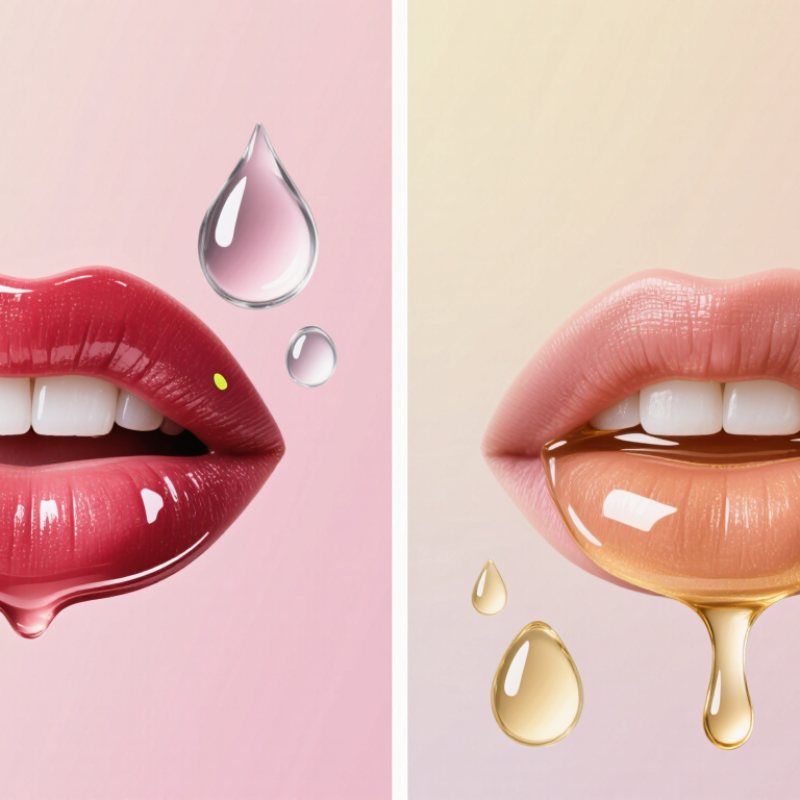
Choosing between lip gloss and lip oil often comes down to how you want your lips to look and feel. Both can add shine, but their textures and finishes may differ. If you have wondered “what is the difference between lip gloss and lip oil,” the answer depends partly on each formula. Gloss is often thicker and creates a more noticeable, reflective finish. Lip oil tends to feel lighter and may leave a softer sheen. Formulas vary, though, so the product name alone does not tell the whole story.

Think about a familiar moment: you are heading out with dry lips, or touching up before a photo. A glossy formula can make color and shine stand out. An oil may feel more comfortable if you prefer a less coated sensation. Some products combine features of both. Labels can blur. Check the ingredient list, finish, and directions, especially if your lips are sensitive. Comfort matters more than a trend. And the best choice may change from day to day.

This guide will compare texture, shine, wear, and everyday feel to help you choose with more confidence. It will also explain what lip oils and glosses can—and cannot—do, since neither product works the same for everyone. Small details matter. A quick swipe on your hand may help you judge slipperiness and shine, but your lips can feel different. Consider your routine, then choose the formula you will actually enjoy wearing.
How to Choose Between Lip Gloss and Lip Oil?

Define Lip Gloss and Lip Oil by Their Typical Shine and Emollient Functions

Lip gloss typically creates a visibly reflective surface and often feels thicker or more cushiony. Its shine comes from light reflecting off a smooth coating. Some formulas add color or subtle shimmer. Gloss may make lips look fuller, but it does not necessarily provide lasting moisture. A tacky texture can catch loose hair on a windy day. Not ideal for everyone.

Lip oil is usually designed with emollients that soften the lip surface, often in a lighter, more fluid texture. It may leave a soft sheen rather than gloss’s glass-like shine, though formulas vary. Emollients can help smooth the feeling of dry, rough lips, but lip oil is not a substitute for a product with sun protection. The labels are not always consistent, so check the ingredients and pay attention to how a product feels.

Tips: For a wet-looking finish, apply a thin layer of gloss at the center of the lips and spread it outward. For everyday comfort, test an oil on dry lips and see whether it stays slippery or settles in. Blot if it feels too rich. If either product stings or irritates your lips, stop using it.

Read Ingredient Lists: FDA Requires Descending Order, with a 1% Exception

How to Choose Between Lip Gloss and Lip Oil?

When comparing lip gloss and lip oil, check the ingredient list before judging the product by its name. FDA cosmetic labeling guidance generally requires ingredients to appear in descending order by weight. Ingredients present at 1% or less may be listed in any order after ingredients above 1%. Color additives may also appear in any order after the other ingredients. So the list is not a percentage chart. A lower-listed oil might still be present, but its exact amount cannot be read from the label.

Look for clues, not guarantees. Gloss formulas may include waxes or film-forming ingredients for a more coated feel; oil formulas may feature emollient oils. Formulas vary, and ingredient order cannot tell you precisely how either product will feel on your lips. Grand View Research estimated the global lip care market at USD 2.4 billion in 2023, with a projected 5.9% compound annual growth rate from 2024 to 2030. That category includes many lip products, so it does not prove one format performs better. A label can still leave you guessing.

Tips: Scan the first few ingredients, then check the rest for ingredients you prefer to avoid, such as fragrance. If possible, test a small amount and note the feel after ten minutes. Your own wear test matters.

Compare Texture, Shine, and Wear Against Your Comfort and Reapplication Needs

Lip gloss usually feels thicker and more noticeable on the lips, with a reflective shine that catches light. Lip oil tends to feel more fluid and lightweight, though some formulas can still feel slick. Texture varies, so the label alone cannot predict how either product will wear. A small dab on the back of your hand can show how quickly it spreads.

Think about comfort during an ordinary day. If you dislike a sticky feeling when your hair blows across your mouth, a lighter oil may suit you better. Gloss can offer a cushioned feel and a bolder, glass-like finish, but it may transfer onto a cup. Neither option stays untouched through meals. That difference matters.

Reapplication needs count, too. A sheer oil may fade gradually, while a glossy layer can lose its shine after drinking or talking. Check your lips after a few hours rather than expecting either product to last all day. I might choose based on finish, then change my mind once the texture becomes distracting. Keep the tube you will actually reach for in your bag. A comfortable formula is often more useful than the shiniest one.

How to Choose Between Lip Gloss and Lip Oil? — Compare Texture, Shine, and Wear Against Your Comfort and Reapplication Needs

What to Compare Lip Gloss Lip Oil Choose Based on Your Needs
Typical texture Often thicker or more gel-like; some formulas may feel tacky. Often thinner and more fluid, though some oils feel cushiony or rich. For a lightweight feel, try an oil; for a more substantial coating, try a gloss. Texture varies by formula.
Shine and finish Commonly designed for noticeable, reflective shine; some versions include shimmer or color. Usually gives a fresh, glossy sheen; the level of shine varies. Choose by the finish you prefer rather than product name alone; both can look glossy.
Comfort and feel A thicker or tackier feel can help some people feel the product stays in place, but may bother those sensitive to stickiness. May feel more slippery or emollient; it can move around more easily depending on the formula. If stickiness is a concern, look for a non-tacky formula and test a small amount first.
Moisturizing feel Can feel conditioning, especially when formulated with emollient ingredients, but gloss is not automatically a lip treatment. Often contains oils or other emollients that soften the feel of lips; performance depends on the ingredient blend. Check the ingredient list and your own response. Neither category guarantees lasting hydration for everyone.
Wear and transfer May transfer to cups or other surfaces; wear time depends on the formula and eating or drinking. Can wear away or transfer with eating, drinking, or wiping; oils may feel less coated as they fade. For either type, expect touch-ups after meals. Look for wear claims that match your routine.
Reapplication May need refreshing when shine or color fades, especially after eating or drinking. May need refreshing as the lightweight, slick finish wears down or absorbs. If frequent touch-ups are inconvenient, compare wear tests and choose a formula that wears comfortably as it fades.
Color payoff Ranges from clear to more pigmented, depending on the product. Often sheer or translucent, though tinted versions are available. Check swatches or product descriptions if color coverage is important; category alone does not determine pigment.
Best fit for Anyone seeking a more pronounced glossy look or a thicker-feeling layer. Anyone who prefers an oil-like, emollient feel and a softer glossy finish. Choose the texture and finish you enjoy wearing; formulas differ, so personal testing is the best guide.

Note: These are general tendencies, not fixed rules. Ingredients, finish, comfort, and wear time vary between individual products.

Check Pigments: FDA Requires Color Additives to Be Approved for Lip Use

Lip gloss and lip oil differ in feel, but pigment rules deserve equal attention. In the United States, FDA rules require each color additive to be authorized for its intended use. A color allowed in an eye product is not automatically permitted on lips. Check the ingredient list, then compare unfamiliar color names with the FDA’s Color Additives Permitted for Use in Cosmetics listings. “Natural” is not a substitute for checking.

Details matter. Some color additives require FDA batch certification; others are exempt, so the absence of a certification number on the package does not prove a product is noncompliant. FDA also does not approve cosmetic products as a whole, so an approved pigment is not a blanket safety guarantee. Grand View Research estimated the global lip-care products market at USD 2.03 billion in 2023, reflecting the scale of this category, not the safety of any one formula. A glossy finish can hide a very small amount of pigment. Read the full ingredient list, especially if you have reacted to cosmetics before. I still find ingredient names confusing sometimes; that is a reason to verify, not guess.

Assess Brand Safety Practices: MoCRA Sets a 15-Business-Day Reporting Deadline

Lip gloss and lip oil can look similar on a bathroom shelf, but their formulas may differ. Gloss often feels thicker and adds shine; oil usually spreads more lightly. Either can cause irritation, so compare ingredient lists and keep the package.

Safety procedures matter, too. Under the U.S. Modernization of Cosmetics Regulation Act, the responsible person named on a cosmetic label must report a serious adverse event to the FDA within 15 business days of receiving it. This does not mean every complaint triggers that deadline. Serious events can include hospitalization, a life-threatening reaction, or significant disfigurement. Keep the product name, lot number, purchase date, and clear photos of the label. Save the product, if practical. Small details count. A company’s reporting contact should be easy to find, and staff should record when a report arrives. That date starts the clock. I might be tempted to judge a lip oil by its clean-looking packaging, but that tells me little about how complaints are handled. Check whether safety information is specific and accessible; vague reassurance is not evidence of a dependable process.

MoCRA recordkeeping for cosmetics

Responsible persons generally must keep records of serious adverse events for six years; qualifying small businesses must keep them for three years. Serious adverse events must be reported to the FDA within 15 business days. These requirements apply to cosmetics such as lip gloss and lip oil.

FAQS

How does lip gloss differ from lip oil?

Lip gloss usually feels thicker and creates a reflective, glass-like shine. Lip oil is often lighter and leaves a softer sheen. Formulas vary.

Which option feels less sticky?

A lighter lip oil may feel less sticky, especially when hair blows across your mouth. Some oils still feel slick. Texture can surprise you.

Does lip oil keep lips moisturized all day?

Emollients may soften the feeling of dry lips, but lip oil may not provide lasting moisture. It is not a substitute for sun protection. Not quite.

How can I create a wet-looking finish?

Apply a thin dab of gloss to the center of your lips. Spread it outward. Too much can feel heavy.

How often should I reapply gloss or oil?

Check your lips after a few hours. Drinking, talking, and meals can wear away either product. All-day shine is unlikely.

How can I test a product’s texture?

Try a small dab on the back of your hand to see how it spreads. Your lips may feel different, though. I still find that easy to forget.

What should I check in a tinted lip product’s ingredients?

In the United States, color additives must be authorized for their intended use. Check unfamiliar names against official cosmetic color-additive listings. “Natural” alone tells you little.

What should I do if a lip product stings?

Stop using it if it irritates your lips. A shiny finish is not worth discomfort. Be cautious.

Conclusion

Choosing between lip gloss and lip oil depends on the finish and feel you prefer. Gloss typically creates a more noticeable, reflective shine and may feel thicker, while lip oil is usually lighter and focuses on a smooth, emollient feel. To understand what is the difference between lip gloss and lip oil, compare their textures, shine, and how long they feel comfortable on your lips. Consider how often you are willing to reapply, since wear can vary by formula.

Ingredient and color information can also help guide your choice. In general, cosmetic ingredients are listed in descending order of predominance, although ingredients present at 1% or less may be listed in a different order. Check that color additives are approved for use on lips. You can also review a company’s safety practices: under MoCRA, responsible persons must report serious adverse events to the FDA within 15 business days.

Charlotte

Charlotte

Charlotte is a seasoned marketing professional with a deep understanding of the company's portfolio and a passion for elevating its presence in the market. With a keen eye for detail and a commitment to excellence, she ensures that our professional blog is regularly updated with insightful articles......