China Top 10 Concealer Brands How to Choose the Right Shade

Time:2026-10-31 Author:Sienna
0%

Choosing a concealer is less about finding the palest shade and more about matching the job it needs to do. A shade that brightens under-eye shadows may look ashy on a blemish. One that blends seamlessly over redness may not lift the eye area. This guide to China’s top 10 concealer brands considers shade range, undertone options, texture, and practical use—not just packaging or online popularity.

Makeup artist Bobbi Brown is often quoted as saying, “Concealer should be one shade lighter than your foundation.” That can help brighten under the eyes, but it is not a rule for every face or every formula. For spots and redness, a closer skin-tone match often looks more natural. Check a stripe along your jaw or under-eye area in daylight, then give it a moment to settle. Small details matter.

The central question is how to choose the right concealer shade for your skin, concern, and preferred finish. We will compare leading Chinese brands and explain how undertones—warm, cool, or neutral—can change the result. A phone screen can distort color. So can a store’s yellow lighting. Shade names are not always consistent, either, and that makes selection imperfect. Use swatches as clues, not promises, and consider testing a sample before buying.
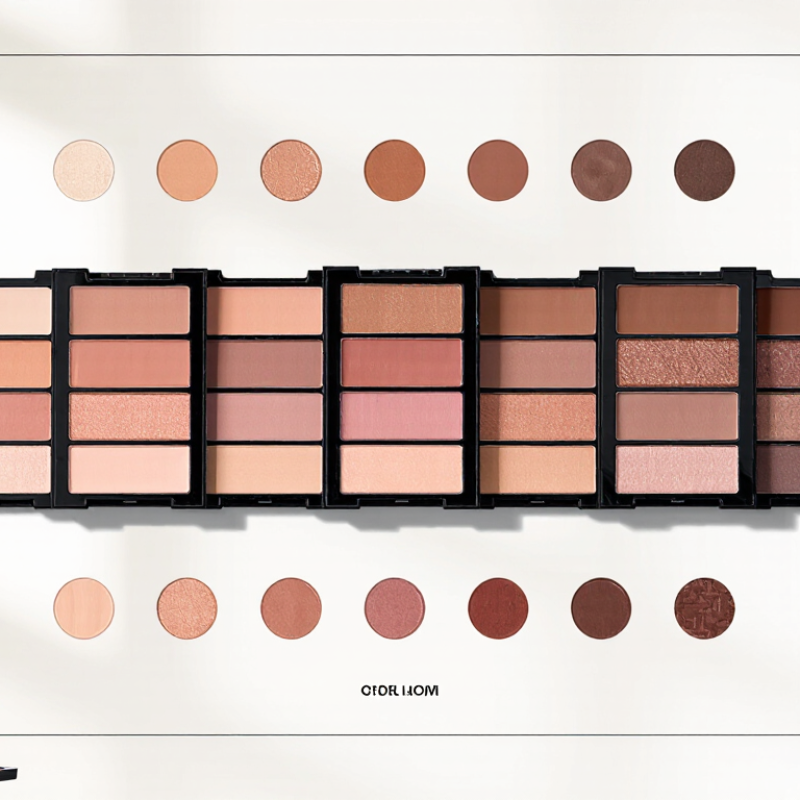
China Top 10 Concealer Brands How to Choose the Right Shade

What Defines a Leading Concealer Brand in China

A leading concealer brand in China is not defined by popularity alone. It earns trust through consistent shade accuracy, clear product information, and performance tested on varied skin tones. In-store swatches can look different under warm mall lighting, so dependable guidance should explain undertones and encourage checks in daylight. Good coverage matters, but a comfortable texture matters too. Small details count.

Strong brands also listen to local routines and conditions. A formula may need to stay even through humidity, commuting, and long hours, without feeling dry around the nose. Claims should be specific and realistic, with ingredient details and usage directions easy to find. Feedback from real users can reveal issues that polished campaign images miss. No range is perfect. Shade gaps still happen, and buyers should be able to report them.

Tips: Match concealer to the area. Choose a close skin match for blemishes and a slightly brighter tone under the eyes. Test it on clean skin, wait several minutes, then check near a window. If possible, ask about return or exchange terms before buying.

China’s Top 10 Concealer Brands and Their Key Features

When comparing China’s top ten concealer options, look beyond coverage claims. Their key features often include buildable pigment, lightweight texture, oil control, hydrating ingredients, long wear, flexible finishes, precise applicators, portable packaging, shade range, and ease of blending. No single formula does everything well. A high-coverage cream may cover a dark spot, but feel heavy beneath the eyes. A fluid concealer can look fresher there, yet need touch-ups.

Check the shade in daylight, not under warm store lighting. For under-eye shadows, a peach-toned corrector beneath concealer may help; for blemishes, match your skin rather than choosing a lighter shade. Test a small amount near the jaw or inner cheek, then wait several minutes for the color to settle. Watch how it looks beside your foundation. Little differences matter.

Read ingredient and wear claims carefully, especially if your skin is sensitive. Patch testing is sensible, though it cannot guarantee a reaction-free result. In humid weather, a thin layer may crease less than a thick one, but individual skin behaves differently. I’d still question “all-day” promises. Real life is messier.

How Concealer Formulas Differ by Skin Type and Coverage

Concealer works best when its formula suits your skin, not just the amount of coverage you want. For dry skin, a creamy or serum-like texture can sit more comfortably over flaky areas. Apply a small amount with a fingertip or damp sponge, then add another thin layer only where needed. Too much product can gather around the nose or settle into fine lines.

Oily skin may prefer a lightweight, less emollient formula that sets to a natural or soft-matte finish. If the under-eye area is dry, though, a very matte concealer may look tight by midday. Skin is not always consistent across the face. Less can be better. Light coverage works for mild redness or uneven tone, while medium coverage can soften darker marks without a heavy layer. Full coverage may help with pronounced discoloration, but it often needs careful blending at the edges.

Shade choice also depends on the area being covered. For blemishes, match the concealer closely to your foundation or natural skin tone; a much lighter shade can make spots stand out. Under the eyes, a slightly brighter shade may look fresh, but dramatic contrast can appear gray or chalky. Test a few shades along the jaw or near the area you plan to conceal, and check them in daylight. Even then, lighting can fool you, so a shade that looks perfect indoors may need a second look outside.

How to Identify Your Skin Tone and Undertone

Choosing a concealer shade starts with separating skin tone from undertone. Skin tone describes how light or deep your complexion appears; undertone is the subtle color beneath its surface. Check your face and neck in indirect daylight, without foundation. Indoor bulbs can distort color. Compare the jawline with your chest, since sun exposure may leave them different.

Undertones are often described as cool, warm, neutral, or olive. Cool skin may show pink, red, or bluish hints; warm skin often looks golden or peachy. Neutral undertones sit between these cues, while olive skin can have a muted green or gray cast. Vein color may offer a clue, but it is not a reliable test by itself. No test is perfect.

Swipe two or three close shades along your jaw, then wait several minutes before checking them outdoors. The best match should blend into both face and neck, not look pale or orange. For blemishes, choose a shade close to your skin tone. For under-eyes, a slightly lighter shade can brighten, but too much contrast may emphasize texture. Check again after the product dries; shade judgments can be surprisingly tricky.

China Top 10 Concealer Brands: How to Choose the Right Shade — Identify Your Skin Tone and Undertone

A practical shade-selection guide. Skin tone describes how light or deep the skin appears; undertone describes its subtle underlying hue.
Skin Tone Common Undertone Clues Concealer Shade for Blemishes Concealer Shade for Under-Eyes Helpful Application Tip
Fair to light Cool: pink or rosy cast. Warm: golden or peach cast. Neutral: a balance of both. Choose a shade close to the surrounding skin, with a matching undertone, so spots blend without looking lighter. Try a skin-match shade or one that is slightly lighter. A peach-toned corrector may help counter blue or purple darkness. Test in natural daylight; very pale or strongly yellow shades can appear noticeable on fair skin.
Light to medium Cool: pink or bluish cast. Warm: golden or yellow cast. Neutral: neither clearly dominant. Match the depth and undertone of the cheek or jaw area rather than choosing a lighter shade automatically. Choose a close match or a subtly brighter shade. Peach or salmon correction may suit some blue-purple discoloration. Apply a small amount and blend the edges; check the result after it has settled on the skin.
Medium to tan Warm undertones may look golden or olive; cool undertones may look rosy; neutral undertones appear more balanced. Select a shade that disappears into the skin around the area being covered. Check for an undertone mismatch, not just a depth mismatch. A shade slightly lighter can brighten, but a large contrast may look ashy. Peach or orange correctors can help with blue-purple tones. Compare swatches along the jaw and cheek; assess them in daylight before deciding.
Deep Undertones can be cool, warm, neutral, olive, or a combination; depth alone does not determine undertone. Match the depth and undertone closely. Avoid shades that leave a pale or gray cast over the area. Use a close match or a modestly lighter shade. Orange or red-orange correctors may help with blue or purple discoloration, depending on skin depth. Check the shade on the face, not only the hand, and inspect it in natural light for a gray or overly bright finish.
Any skin tone: undertone check Vein color and jewelry preference can offer clues, but neither is a reliable stand-alone test. Skin may also have mixed undertones. Test several close shades on the jaw or the area needing coverage; the best match should blend into surrounding skin. Choose based on the darkness being corrected and the desired finish; under-eye skin can differ in tone from the rest of the face. Wait a few minutes for the product to settle, then compare in daylight. Consider oxidation, formula, and coverage needs.

How to Test and Choose the Right Concealer Shade

Test concealer on clean, moisturized skin, not on your hand. The skin there often differs in color and texture from your face. Dab a small amount beneath one eye and beside a blemish. Check it near a window in indirect daylight. Bathroom bulbs can make a good match look oddly yellow or pink. Lighting lies. Wait several minutes before judging, since some formulas deepen slightly as they dry. I once picked a shade under bright store lights and regretted it outdoors; that small test was not enough.

Match the area you want to conceal. For under-eye shadows, try a shade close to your skin tone or just a little lighter, then check that it does not turn ashy. For blemishes, choose a close skin match; a lighter spot may draw more attention. Notice undertones, too: a peach-leaning shade can soften blue-purple shadows, while a neutral tone may blend better on some skin. These are starting points, not rules. Test two nearby shades in thin layers, and look again after blending. If the edges disappear without a pale halo, you are close. Skin changes with the seasons, and even careful choices can miss.

FAQS

What concealer texture may suit dry skin?

Creamy or serum-like formulas can sit more comfortably over flaky areas. Apply a small amount with a fingertip or damp sponge. Add another thin layer only where needed.

What kind of concealer may work for oily skin?

A lightweight formula with fewer emollients may feel more comfortable and set to a natural or soft-matte finish. If your under-eye area is dry, a very matte formula may look tight by midday.

How much coverage should I use?

Light coverage can soften mild redness or uneven tone. Medium coverage may help with darker marks, while full coverage can suit more pronounced discoloration. Less is often enough.

How should I choose concealer for blemishes?

Pick a shade close to your natural skin tone or foundation. A much lighter shade may make a spot stand out. Blend the edges carefully.

Should under-eye concealer be lighter than my skin?

A slightly brighter shade can look fresh. Too much contrast may appear gray or chalky, or emphasize texture. It can still look odd.

How can I tell my undertone?

In indirect daylight, look for subtle pink, red, or bluish hints, golden or peachy tones, or a muted green-gray cast. These can suggest cool, warm, or olive undertones. Neutral undertones sit between cues. No test is perfect.

Where should I test concealer shades?

Swipe two or three close shades along your jaw, then check them near the area you plan to cover. Compare your jaw with your neck and chest, since sun exposure can make them differ.

Why should I check a shade outdoors?

Indoor bulbs can distort color. Wait several minutes, then see whether the shade blends into your face and neck without looking pale or orange. I would check again outside.

Conclusion

Choosing a concealer in China involves more than comparing popularity. A leading concealer should offer dependable coverage, a comfortable texture, a range of shades, and formulas suited to different skin needs. Lightweight, moisturizing options may work well for dry skin, while oil-controlling or long-wearing formulas can suit oilier complexions. Coverage also matters: sheer formulas help even out tone, while fuller coverage can better disguise more noticeable discoloration.

To find a flattering match, first distinguish your skin tone—fair, light, medium, or deep—from your undertone, which may be warm, cool, or neutral. Consider the area you want to conceal, since under-eye concealer may benefit from a slightly brighter shade, while blemish concealer should blend closely with your complexion. When deciding how to choose the right concealer shade, test a few options in natural light, allow the formula to settle, and check that it blends seamlessly without looking too pale, orange, or gray.

Sienna

Sienna

Sienna is a skilled marketing professional with a deep expertise in our company’s core products and services. With a passion for innovation and detail, she plays a pivotal role in crafting insightful blog posts that not only highlight the unique features of our offerings but also provide valuable......