Best 5 Ways to Find Your Skin Undertone for Foundation?

Time:2026-07-08 Author:Henry
0%

Finding the right foundation can be challenging, especially when it comes to matching your skin undertone. Celebrity makeup artist, Annie Jagger, emphasizes, "Understanding your undertone is the first step to a flawless look." This highlights the significance of knowing how to find your skin undertone for foundation.

Many people overlook the importance of undertones, focusing only on their skin tone. However, this narrow view can lead to mismatched foundations. Undertones can be warm, cool, or neutral, and recognizing them is crucial. For example, a warm undertone may lean towards yellow or golden hues, while cool undertones often present with pink or blue shades.

Using natural light can help you see your undertone better. Additionally, trying different shades or holding fabrics against your skin can also reveal your undertone. Don’t be discouraged if you find it challenging. Spotting undertones may take practice. By refining your understanding of them, you’ll find a foundation that enhances your natural beauty. Exploring how to find your skin undertone for foundation can truly transform your makeup routine.
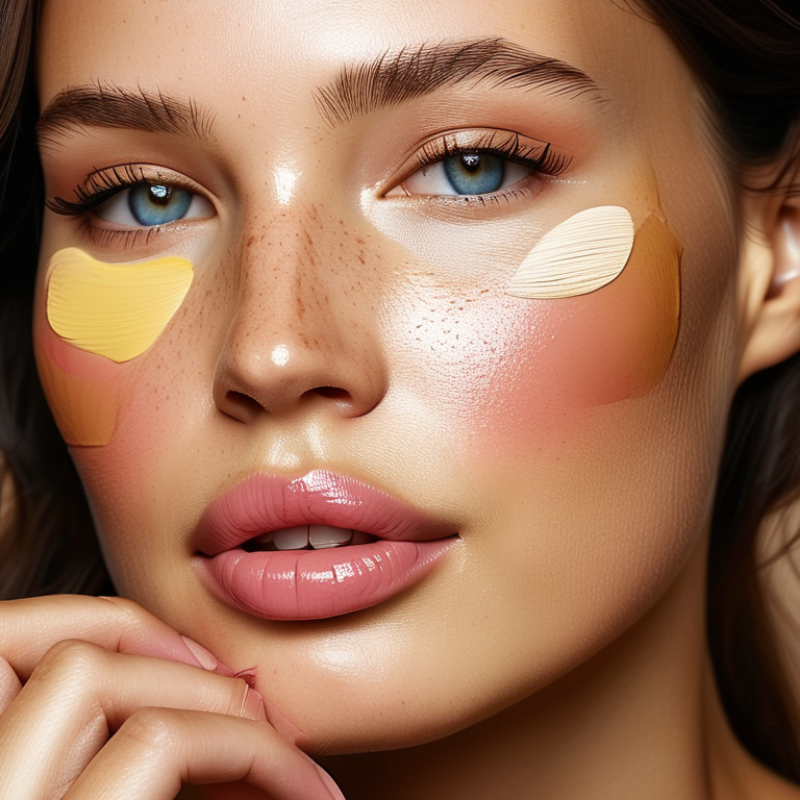
Best 5 Ways to Find Your Skin Undertone for Foundation?

Understanding Skin Undertones: A Brief Overview

Understanding skin undertones is essential for anyone looking to find the perfect foundation. Skin undertones fall mainly into three categories: cool, warm, and neutral. Cool undertones have a hint of pink, red, or blue. Warm undertones lean towards yellow, golden, or peach. Neutral undertones are a combination of both. These characteristics can determine how a foundation appears on your skin.

Identifying your undertone can be tricky. Some people may find themselves torn between warm and cool shades. In these cases, consider your jewelry preferences. Do you look better in silver or gold? Silver often suits cool undertones, while gold typically enhances warm ones. Experimenting with fabric colors can also help. Notice how you look in certain hues. You may see a glow in warmer tones if you're warm-toned, or a soft radiance in cooler shades if you're cool-toned.

Also, natural light is your friend. Test foundation shades by applying them in natural daylight to see how they truly blend. Check for the finish after a little time; the initial look can sometimes mislead you. Remember, finding your undertone may require some trial and error. Embrace the imperfections during this process. It’s all part of discovering your unique skin tone.

The Vein Test: Identifying Undercurrent Colors

Determining your skin undertone can greatly enhance your makeup routine, especially when selecting foundation. One of the simplest methods is the vein test. This approach allows you to identify your underlying skin tones by examining the color of your veins.

To perform the vein test, find a well-lit area. Look at the veins on the inside of your wrist. If your veins appear blue or purple, your undertone is likely cool. If they look green, you may have a warm undertone. A mix of both colors can indicate a neutral undertone.

Tip: Consider your skin’s reaction to the sun. Do you tan easily or burn quickly? Tanning usually suggests warm undertones, while burning often points to cool tones.

This test isn't foolproof. Sometimes a foundation might look great in the store but not on your skin. It’s worth experimenting to find the perfect match.

Tip: Always swatch foundations on your jawline, blending slightly. This helps you see how the color works with your overall skin. It’s important to take your time with this process. The right undertone can make a significant difference, enhancing your natural beauty.

The White Paper Test: Evaluating Your Skin Tone

The White Paper Test is a simple yet effective method to evaluate your skin tone and find your perfect foundation shade. This test involves holding a white piece of paper against your face in natural light. Observe how your skin appears against the stark white background. Are there yellow, pink, or blue hues? This contrast can help identify your skin undertone.

Many dermatologists recommend this test as part of a broader approach to understanding skin tones. A 2022 report from the Journal of Dermatology emphasizes that the undertone plays a crucial role in selecting foundation. An estimated 60% of individuals make foundation mistakes due to mismatched undertones. This highlights the significance of assessment techniques like the White Paper Test.

While the paper test can be revealing, it isn’t foolproof. Factors such as lighting and skin conditions can affect the outcome. It’s important to consider these variables when making your assessment. Using this method alongside others may yield better results. Remember, skin is complex, and finding the right shade is a journey requiring patience and practice.

The Jewelry Test: Gold vs. Silver Effects

Determining your skin undertone can greatly influence your choice of foundation. One effective method is the jewelry test, which evaluates how different metallic colors complement your complexion. Observing how gold and silver jewelry looks against your skin can reveal a lot about your undertone.

If gold jewelry enhances your skin's glow, you're likely warm-toned. A study from the American Academy of Dermatology found that warm undertones are prevalent among 36% of the population. In contrast, if silver jewelry makes your skin appear radiant, you might have cool undertones. Statistics show that about 25% of individuals fall into this category. Neutral undertones, which can wear both gold and silver, account for the remaining percentage. This method provides a straightforward visual guide to choosing the right foundation shade.

However, individual differences exist. Some may find that neither metal seems to enhance their complexion. Factors like lighting and skin conditions can impact results. It's crucial to consider these nuances. While the jewelry test offers a solid starting point, exploring other methods can lead to a more precise match.

Consulting a Professional: When to Seek Expert Help

Finding the right foundation starts with understanding your skin undertone. Many people struggle with this crucial first step. Consulting a professional can offer guidance that self-tests may lack. A trained dermatologist or makeup artist can analyze your skin tone more accurately. They look at factors like skin color, natural light reflection, and even the undertones in your veins.

A report by the Amercian Academy of Dermatology highlights that nearly 50% of individuals choose the wrong foundation shade without expert advice. This can lead to issues like mismatched colors affecting your overall look. Professionals can provide personal insights based on years of experience. They often note that clients fail to consider seasonal skin changes. Dermatologists recommend revisiting shades as skin color can shift with sun exposure or skin health.

Expert help also means access to specialized tools and techniques. Techniques like the draping method assess your undertones using fabric swatches. Direct comparisons can reveal shades that self-analysis may overlook. It's okay to admit confusion; many feel overwhelmed by the variety of options. Recognizing when to ask for help can save time and improve confidence in your makeup choices.

FAQS

: How can I determine my skin undertone?

: One method is the vein test. Look at the veins on your wrist. Blue or purple indicates cool undertones. Green suggests warm undertones.

What if my veins show a mix of colors?

A mix of blue and green can indicate a neutral undertone. It may require more experimentation to find the right foundation.

What should I consider when using the vein test?

Ensure you’re in a well-lit area. Lighting can affect how you see the colors in your veins.

How does sun exposure affect my skin tone?

If you tan easily, you likely have warm undertones. If you burn quickly, you might have cool undertones.

Is the vein test completely reliable?

No, it’s not foolproof. Sometimes foundations look great in stores but may not match your skin in different lighting.

When should I seek professional help for foundation matching?

If you struggle to find your undertone, consider consulting a dermatologist or makeup artist for accurate analysis.

What are some techniques professionals use?

Some professionals use fabric swatches in a method called draping. This helps assess your undertones more accurately.

Can skin color change over time?

Yes, skin color can shift due to sun exposure or health changes. It’s good to reassess your foundation shade periodically.

Why do people select the wrong foundation shade?

Many choose incorrectly due to a lack of knowledge about undertones or not seeking expert guidance.

Is it okay to feel confused about foundation choices?

Yes, many people feel overwhelmed by options. Asking for help can improve your confidence and save time.

Conclusion

Finding the right foundation shade can be challenging, but understanding how to find your skin undertone for foundation is crucial for achieving a natural look. Start by recognizing the basic categories of skin undertones: cool, warm, and neutral. One effective method is the vein test, where you examine the color of the veins on your wrist; blue or purple veins suggest a cool undertone, while greenish veins indicate a warm undertone.

Another useful technique is the white paper test, where you hold a piece of white paper next to your face to see how your skin reacts—yellow or golden tones suggest warmth, while pinkish tones suggest coolness. Additionally, consider the jewelry test; if gold complements your skin better, you may have a warm undertone, while silver typically suits cool undertones. If you're still uncertain, consulting a professional can offer personalized insights to ensure you select the perfect foundation for your skin.

Henry

Henry

Henry is a dedicated marketing professional with a profound expertise in the company's offerings. With years of experience in the industry, he possesses an impressive understanding of the market dynamics and consumer behaviors that drive success. Henry is committed to sharing his insights through......